-
 play_arrow
Y WORLD Radio Station Y WORLD RADIO
music_note

Witness testimony and forensic evidence challenge official account of Mabelane’s death
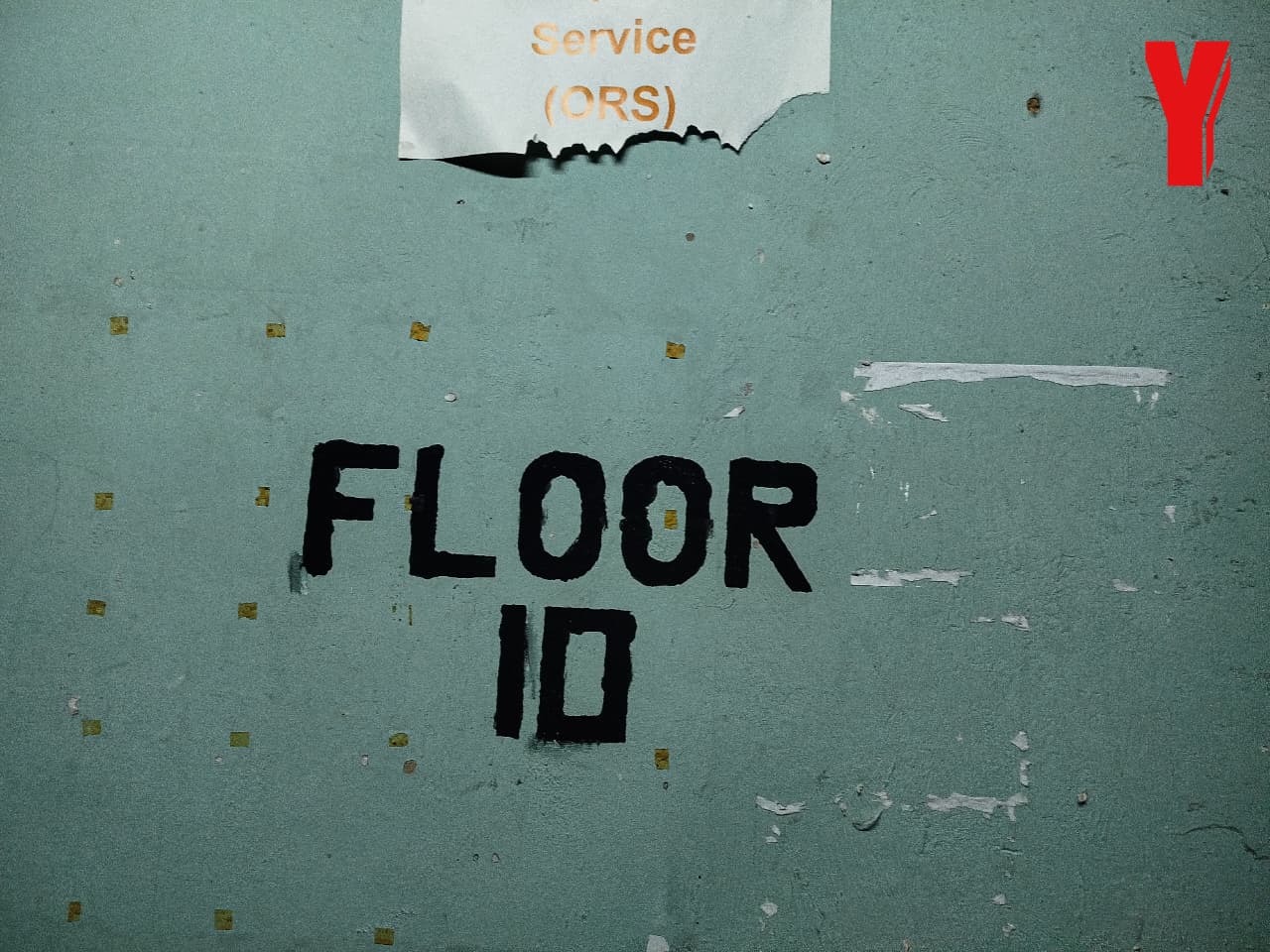

Nearly five decades after anti-apartheid activist, Matthews “Mojo” Mabelane, died in police detention, witness testimony and forensic evidence presented at the reopened inquest are increasingly casting doubt on the apartheid-era account that he jumped to his death from the tenth floor of John Vorster Square.
On the third day of proceedings in the Johannesburg High Court, the court heard evidence that sharply contradicts the findings of the original 1977 inquest, which concluded that no one was responsible for Mabelane’s death.
Forensic pathologist, Dr Shakeera Holland, told the court that evidence from the scene raises serious concerns about whether the circumstances surrounding Mabelane’s death were accurately recorded.
According to Holland, photographs taken after the incident suggest that Mabelane’s body may have been moved after his death.
-
 play_arrow
Witness testimony and forensic evidence challenge official account of Mabelane’s death | By X9 Converter
Holland testified that the blood patterns, body positioning and forensic timeline do not support claims that Mabelane was still alive when he was placed in an ambulance.
She also criticised the original investigation, pointing to the absence of records showing that a state pathologist attended the scene and describing the post-mortem report as lacking the level of detail expected in a death-in-custody case.
The court also heard from former police officer, Jacobus Johannes Jooste, who said he was the first person to see Mabelane after his fatal fall in February 1977.
Jooste testified that he was driving out of the parking area at John Vorster Square when he saw a body falling through the air. He immediately stopped and found Mabelane lying injured on the bonnet of a vehicle.
His testimony challenged key aspects of the police version of events.
-
play_arrow
Witness testimony and forensic evidence challenge official account of Mabelane’s death | By X9 Converter
Jooste told the court that Warrant Officer Joordan, only arrived several minutes later, with other officers arriving afterwards. His account contrasts with long-standing claims that police officers were actively trying to prevent Mabelane from escaping along a narrow ledge outside a tenth-floor window.
Beyond questions surrounding his death, the inquest also revisited Mabelane’s role in the anti-apartheid struggle.
Childhood friend and fellow activist, Matthew Lebuso, described him as a committed student leader who helped organise resistance activities in Soweto following the June 16 uprising.
Lebuso told the court that Mabelane was involved in producing and distributing anti-apartheid pamphlets and mobilising young people against apartheid.
-
play_arrow
Witness testimony and forensic evidence challenge official account of Mabelane’s death | By X9 Converter
According to Lebuso, both he and Mabelane fled to Botswana as security police intensified their crackdown on student activists. Mabelane was later arrested after returning to South Africa and taken to John Vorster Square, where he died while in police custody.
Lebuso also rejected claims that his friend took his own life.
He described Mabelane as determined, resilient and deeply committed to the liberation struggle, saying those who knew him never accepted the official explanation that he jumped from the building.
The reopened inquest continues as the court seeks to determine whether apartheid Security Branch officers were responsible for Mabelane’s death and whether the original findings should be overturned.
The proceedings form part of broader efforts to re-examine unresolved apartheid-era deaths and provide long-awaited answers to families who have spent decades seeking justice.
Written by: Lebohang Ndashe

Current show
Upcoming shows
Latest posts
LATEST NEWS

Tatjana set to return to action
Madlanga Commission | Extraordinary measures are needed to tackle state capture: World Bank expert
Matlala Trial | Court allows State to use Kekana’s hospital notes in cross-examination
ANC to appeal Electoral Court ruling over 181 excluded candidates
Calls mount for Masemola’s reinstatement as national police boss
SPOTLIGHT FEST