-
 play_arrow
Y WORLD Radio Station Y WORLD RADIO
music_note

State alleges systematic cover-up as reopened Mabelane inquest begins
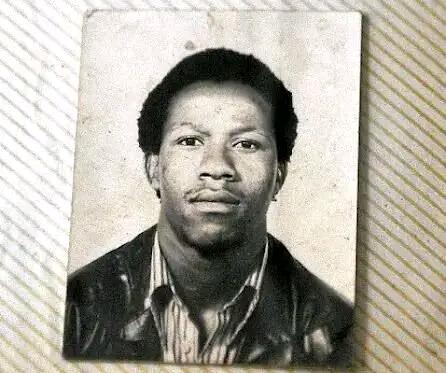
The Johannesburg High Court has heard allegations of a systematic cover-up in the way deaths in detention at the former John Vorster Square Police Station were investigated during apartheid, as the reopened inquest into the death of anti-apartheid activist Matthews “Mojo” Mabelane gets underway.
The inquest is revisiting the circumstances surrounding the death of the 22-year-old activist, who died in police detention in February 1977, less than a year after the June 16 Soweto Uprising.
Mabelane died after falling from the tenth floor of the former John Vorster Square Police Station, now Johannesburg Central Police Station, while being detained and interrogated by Security Branch police under the Terrorism Act.
At the time, Security Branch officers claimed he had climbed out of a window and lost his balance while attempting to escape. An apartheid-era inquest accepted that version of events and concluded that no one could be held responsible for his death.
However, both the State and lawyers representing the Mabelane family told the court that evidence to be presented in the reopened proceedings will challenge the official account of what happened.
The State, led by Deputy Director of Public Prosecutions Lwazi Ngodwana, argued that Mabelane’s death forms part of a broader pattern in which deaths in detention were routinely attributed to suicide or escape attempts despite evidence that often contradicted police accounts.
According to the State, investigations into deaths at John Vorster Square frequently failed to properly interrogate police accounts, contributing to what it describes as a systematic cover-up of abuses committed by apartheid security forces.
-
 play_arrow
State alleges systematic cover-up as reopened Mabelane inquest begins | By X9 Converter
The court also heard details about Mabelane’s role in the anti-apartheid struggle.
Before his arrest, he was an active member of the Soweto Students Representative Council, which played a leading role in resisting the apartheid government’s education policies.
Evidence before the court shows that he helped mobilise students against the imposition of Afrikaans as a medium of instruction and later became a target of security police following the June 16 uprising in 1976.
After going into hiding and later leaving South Africa, Mabelane returned from Botswana in January 1977 and was subsequently arrested by Security Branch police.
Weeks later, he died while in detention at John Vorster Square.
Lawyers representing the Mabelane family say they will challenge the findings of the original inquest and will present evidence contradicting the police version of events.
Family lawyer, Howard Varney, told the court that expert witnesses are expected to testify, adding that the official account cannot withstand scrutiny.
-
play_arrow
State alleges systematic cover-up as reopened Mabelane inquest begins | By X9 Converter
The reopened inquest is expected to continue over the next two weeks as the court re-examines one of apartheid South Africa’s most contested deaths in detention.
The proceedings form part of broader efforts to revisit unresolved apartheid-era cases and determine whether those responsible for deaths in detention can finally be held accountable.
The court will ultimately decide whether the original inquest findings should be set aside in light of the new evidence.
Written by: Lebohang Ndashe
Similar posts


Current show
Upcoming shows
Latest posts
LATEST NEWS

Gauteng urged to keep cool amid scorching heat

Pietersen wary of strong Cardiff outfit
Baby Nikita trial | Eldorado Park man accused of her killing blames drugs for his actions, seeks leniency

Revised White Paper on Local Government sparks division ahead of elections

YouthX by Nedbank Con Hill 21 November 26
SPOTLIGHT FEST