-
 play_arrow
Y WORLD Radio Station Y WORLD RADIO
music_note

TRC Cases Inquiry | Lamola pressed over delays in apartheid-era prosecutions
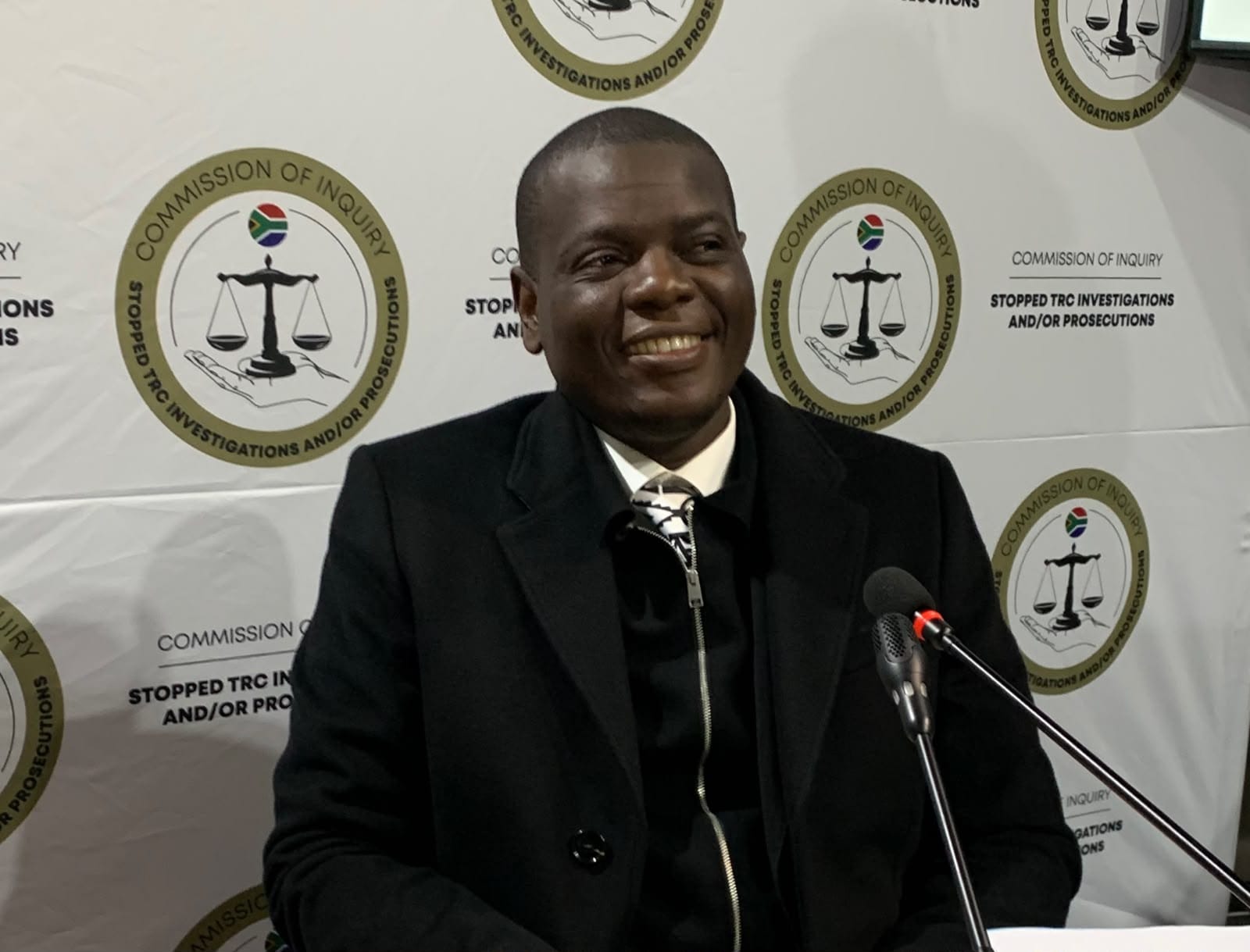
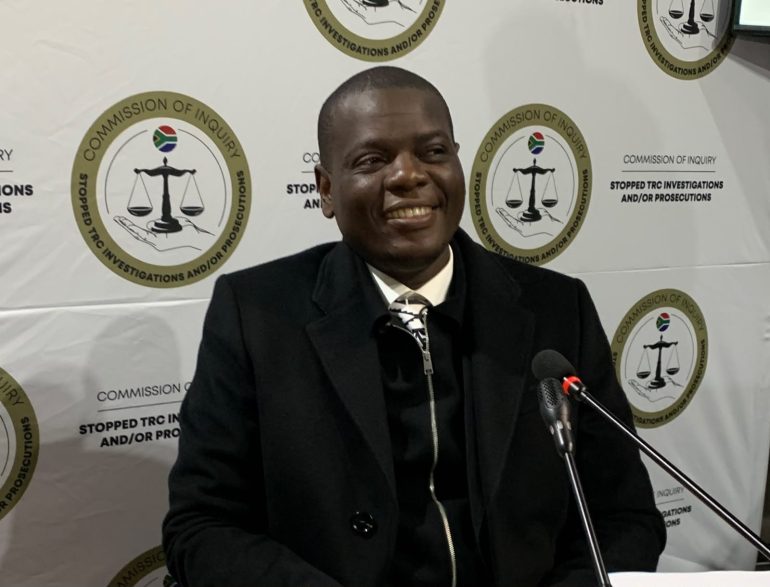
Former Justice Minister, Ronald Lamola, has faced intense questioning over whether government failed to act decisively on unresolved apartheid-era cases prosecutions.
Lamola returned to the TRC Cases Inquiry in Newtown on Monday for cross-examination by human rights lawyer, Advocate Howard Varney, who represents families of the Cradock Four.
Varney questioned Lamola on the implications of the landmark Rodriguez judgment, which found that executive decisions had prevented the National Prosecuting Authority (NPA) from pursuing certain apartheid-era cases.
Lamola maintained that he only became aware of the judgment after taking office in 2019. He told the inquiry that his priority was to ensure the NPA had the resources needed to pursue outstanding cases.
“So at this stage, our focus was to support the work of the NPA to prosecute the cases that were in front of them, building systems and institutions. So it was not my position that was taken by the Minister of Justice before me.”
The questioning also turned to government’s engagement with victims’ families.
Internal correspondence showed that in July 2019, Lamola agreed to proposals for structured consultations with families and human rights organisations over stalled TRC cases.
Varney put it to Lamola that those consultations did not materialise, leaving affected families without the promised engagement.
Lamola attributed the delays to factors including the COVID-19 pandemic and budget constraints, while maintaining that informal engagements and meetings at NPA level did take place.
“I’m no longer sure about the dates, but I do remember that there was a clear intention from our side and also a process to engage with the families, which we also delegated to the Deputy Minister.”
The inquiry also heard that lawyers representing victims’ families threatened urgent High Court applications in 2019 to compel government to reopen stalled inquests.
Varney questioned whether government needed the threat of legal action before intervening in some of the cases.
Lamola rejected the suggestion that he acted under pressure from litigation, insisting that his decisions were based on the law, the available facts and his responsibility towards victims.
“I will not agree that what we have done, it was on the basis of a gun being put on our head. We did it because it was the right thing to do so. The facts that were put before me by the NPA for us to open this inquest were convincing.”
The Khampepe-led inquiry is investigating allegations of political interference in the investigation and prosecution of apartheid-era crimes, as families continue to seek accountability for cases that have remained unresolved for decades.
The inquiry has now been sitting for nearly 80 days since it was established by President Cyril Ramaphosa.
@TRC_inquiry
The proceedings are adjourned and will resume on Tuesday, 25 August at 10h00.The TRC Cases Inquiry will sit for the cross examination of Adv Chris Macadam.
Adv Macadam testified before the Inquiry in March 2026. pic.twitter.com/uSzU063gNO
— TRC_inquiry (@TRC_inquiry) August 24, 2026
Written by: Lebohang Ndashe
Similar posts
Current show
Upcoming shows
Latest posts
LATEST NEWS
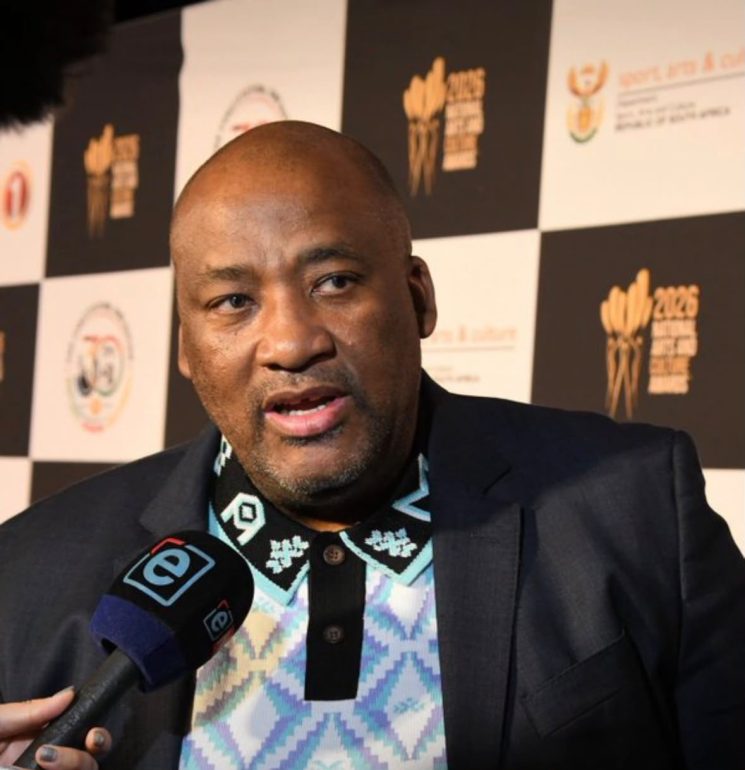
Sports Minister demands SAFA return R13m allocated for VAR
TRC Cases Inquiry | Lamola pressed over delays in apartheid-era prosecutions

Jub Jub misses court, warrant issued
PSDT ready for intense All Blacks
Madlanga Commission | Adams challenges Section 27 referral as Hawks officer claims he was used as a pawn
SPOTLIGHT FEST