-
 play_arrow
Y WORLD Radio Station Y WORLD RADIO
music_note

Outrage over Mnangagwa’s extended stay in power
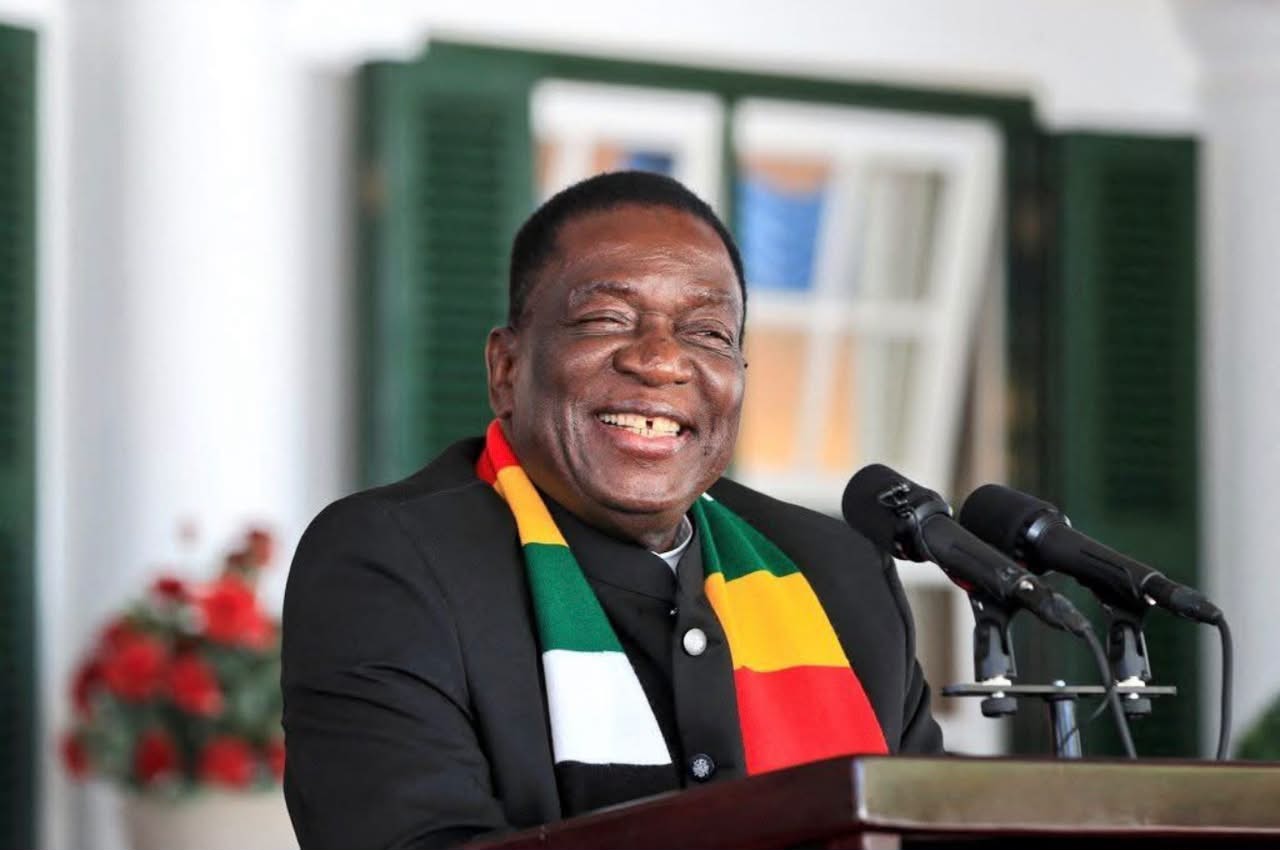
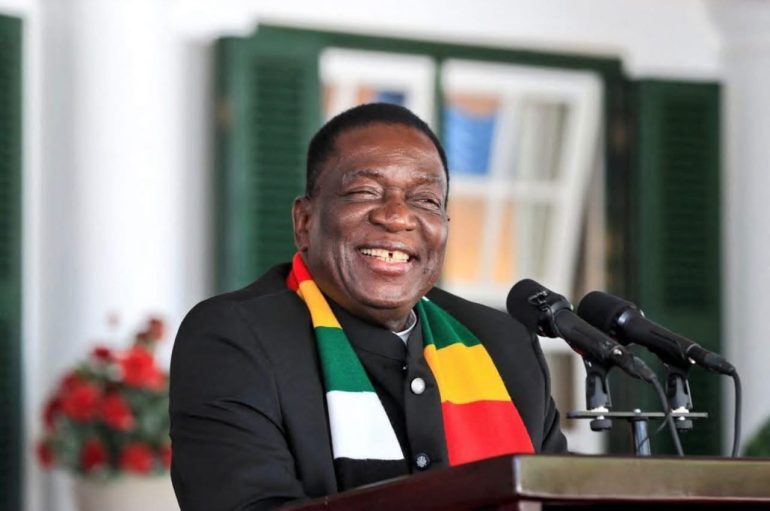
Some aggrieved Zimbabwean nationals have described the extension of President Emmerson Mnangagwa’s term in office as a regressive move, warning that it undermines democratic principles and the country’s constitutional order.
Zimbabwe is set to extend Mnangagwa’s term in office until 2030, after the 83-year-old leader signed the Constitution of Zimbabwe Amendment No. 3 into law on Tuesday.
Mnangagwa, who came into power following the military coup that removed President Robert Mugabe in 2017, was meant due to complete his second and final term in 2028.
The constitutional amendments extend the presidential term from five to seven years and abolish direct presidential elections, giving parliament the power to elect the country’s President.
Under the new law, a candidate must secure more than half of the valid votes cast by members of Parliament to be elected.
The president took to X, saying “Signed, Sealed and delivered” after signing the new legislation extending the president’s term from five years to seven into law.
His Excellency President Mnangagwa @edmnangagwa has signed the Constitution of Zimbabwe Amendment No. 3 into law. #CAB3 pic.twitter.com/20kkGV4VZt
— Ministry of Information, Publicity & Broadcasting (@InfoMinZW) July 7, 2026
The move has drawn sharp criticism from opposition parties, civil society organisations and many Zimbabweans, who argue that such sweeping constitutional changes should have been subjected to a national referendum.
However, Zimbabwe’s Child President, Tinashe Mugodhi, welcomed the amendments, describing them as a new approach to governance that would promote national development, progress and efficiency.
“We the youth of Zimbabwe thank you, your Excellency for assenting to Constitutional Amendment Bill Number 3. This bill represents a new approach to governance and National Development.” Child President Tinashe Mugodhi pic.twitter.com/uB4UbhLaRe
— Ministry of Information, Publicity & Broadcasting (@InfoMinZW) July 8, 2026
Meanwhile, the Economic Freedom Fighters (EFF) says Zimbabweans cannot be held hostage.
The EFF argues that the governing party, Zanu-PF, does not have the right to remain in power indefinitely, warning that the amendment may set a dangerous precedent that the Constitution can be used to entrench political power.
The red berets say any government that fears returning to the people for a fresh democratic mandate has lost the confidence of its citizens.
“True revolutionaries understand that political power belongs to the people and that leadership is exercised on their behalf, not over them.”
The party believes that Zimbabwe needs urgent economic renewal, accountable governance, and functioning public institutions.
EFF statement on the extension of Zimbabwe President Emmerson Mnangagwa’s term of office
—The EFF believes that the people of Zimbabwe cannot be held hostage indefinitely by a governing party. True revolutionaries understand that political power belongs to the people and that… pic.twitter.com/irNdV3yp2x
— Economic Freedom Fighters (@EFFSouthAfrica) July 7, 2026
The constitutional changes have drawn mixed reactions, with some welcoming the amendments, while others argue that a reform of this magnitude should only be adopted with the approval of citizens through a national referendum.
President Emmerson Mnangagwa of Zimbabwe has signed into law the controversial Constitutional Amendment (No. 3) Act, which extends his term of office by an additional two years until 2030, cancels the general elections that were due in 2028, abolishes the direct election of the… pic.twitter.com/bd8cJQuSMs
— Hopewell Chin’ono (@daddyhope) July 7, 2026
OFFICIAL: Zimbabwe’s🇿🇼 President Emmerson Dambudzo Mnangagwa, 83, has signed into law a legislation that extends his term in office by 2 years to 2030.
Zimbabweans will no longer vote for a president; instead, parliament will elect the head of state. pic.twitter.com/6NE6LtJIxN
— Kennedy Wandera (@KennedyWandera_) July 7, 2026
My sincere gratitude to H.E. President Dr E.D. Mnangagwa for listening to the people of Zimbabwe and assenting to Constitutional Amendment Bill No. 3. It ceases to be a Bill. It is now Constitutional Amendment Act No. 3, the supreme law of the land, duly gazetted and binding. pic.twitter.com/JjB2KvaR5s
— Hon Prof Mthuli Ncube (@MthuliNcube01) July 8, 2026
Similar posts


Current show
Upcoming shows
Latest posts
LATEST NEWS

Gauteng urged to keep cool amid scorching heat

Pietersen wary of strong Cardiff outfit

Baby Nikita trial | Eldorado Park man accused of her killing blames drugs for his actions, seeks leniency
Revised White Paper on Local Government sparks division ahead of elections

YouthX by Nedbank Con Hill 21 November 26
SPOTLIGHT FEST