-
 play_arrow
Y WORLD Radio Station Y WORLD RADIO
music_note

Mpox cases on the rise in SA
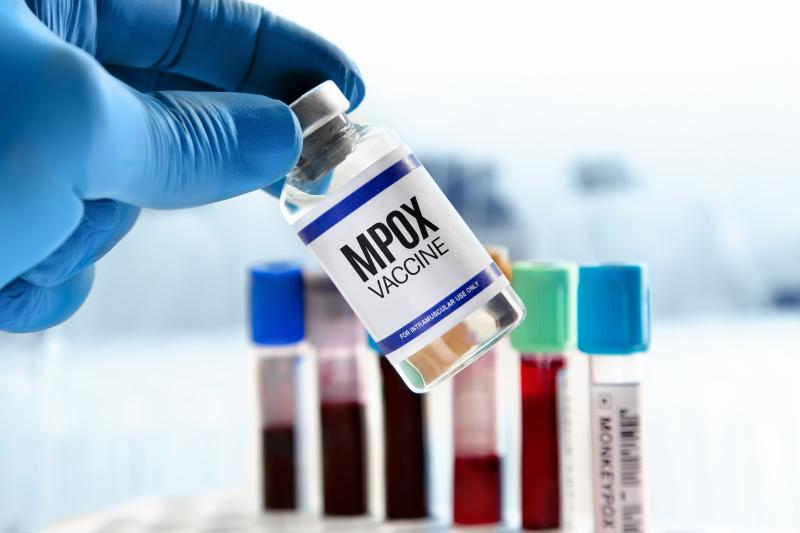
The National Department of Health is urging South Africans to remain vigilant for mpox symptoms as the country records a sharp increase in laboratory-confirmed cases.
Health officials say continued surveillance, early detection, and public cooperation are critical to preventing further transmission of the virus.
To date, 18 confirmed cases have been recorded in South Africa, with patients ranging in age from 23 and 50.
The Western Cape has recorded the highest number of confirmed cases, with 15, followed by Gauteng with three and KwaZulu-Natal has reported one case.
The department is encouraging anyone experiencing symptoms such as a rash, fever, swollen lymph nodes, or body aches to seek medical attention as soon as possible and avoid close contact with others until assessed by a healthcare professional.
Health authorities say 13 of South Africa’s 18 confirmed mpox cases were recorded between 13 August and 17 September, a spike they say points to rapid local transmission of the virus.
Symptoms typically develop between five and 21 days after exposure and may include fever, muscle aches, back pain, swollen lymph nodes, fatigue, as well as a distinctive rash or skin lesions.
Mpox is mainly spread through close physical contact with an infected person, including direct skin-to-skin contact with rashes or lesions. It can also spread through contaminated materials such as bedding, clothing, or towels.
Departmental Spokesperson, Foster Mohale, says one of the most recent cases involved an individual who travelled to Spain earlier this month and returned to South Africa on 14 September.
“This person underwent testing in Spain after being informed of his probable case status. South African health authorities are in are contact with the Spanish counterparts regarding the individual’s laboratory test results to confirm his mpox status.”
Mohale says people who test positive can also transmit the virus through respiratory droplets during prolonged face-to-face contact, uncovered coughing or sneezing.
“Vigilance remains essential, particularly in households, healthcare settings and among close social networks. Hand hygiene through frequent washing or use of sanitisers is one of the effective methods to prevent the spread of the virus.”
The government says, with the support of the World Health Organisation (WHO), it has secured limited doses of mpox vaccines (Tecovirimat) as part of its outbreak response strategy to disrupt local transmission.
South Africa has recorded a rise in confirmed mpox cases, with 18 confirmed and one probable case reported as of 17 September 2026. Most cases have been identified in the Western Cape, with additional cases reported in Gauteng and KwaZulu-Natal.
Mpox can affect anyone,… pic.twitter.com/rqQzsFbGmX
— Gauteng Health (@GautengHealth) September 18, 2026
Mpox is preventable! Wash your hands regularly, avoid contaminated objects, avoid coming into contact with people who may have been infected, clean and disinfect any contaminated surfaces. Remember, anyone can contract the disease irrespective of gender, age, skin colour or… pic.twitter.com/OLpWjvOgCA
— Gauteng Health (@GautengHealth) August 30, 2024
Now Mpox has broken out in Western Cape, this government is going to kill us https://t.co/lRMzgTOQW7 pic.twitter.com/X2NsnTxbtU
— Djuka (@DjukaMatauri) September 18, 2026


Current show
Upcoming shows
Latest posts
LATEST NEWS

Mpox cases on the rise in SA

Madlanga Commission | DCS Commissioner Thobakgale details prison gang influence

Matlala Trial | Expert challenges State’s medical account of Kekana’s arrest

ANC EC secretary threatens legal action against Mbalula over election-list dispute

Lesufi says criminals have declared war as women’s bodies pile up in Ekurhuleni
SPOTLIGHT FEST