-
 play_arrow
Y WORLD Radio Station Y WORLD RADIO
music_note

TRC Inquiry | Chikane defends truth-seeking stance as inquiry probes apartheid-era prosecutions
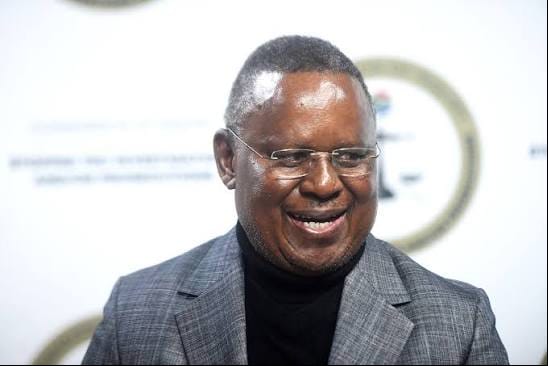
Reverend Frank Chikane says his decision not to oppose apartheid-era pardon applications was shaped by the trauma of surviving repeated attempts on his life, pushing back against criticism that his stance undermined his commitment to uncovering the truth.
Chikane was cross-examined at the TRC Cases Inquiry in Johannesburg on Thursday, where his testimony highlighted the difficult balance between seeking information from apartheid-era perpetrators and pursuing their prosecution.
Former TRC Commissioner, Yasmin Sooka, previously told the inquiry that Chikane’s refusal to publicly oppose the pardon applications raised questions about his stated commitment to truth-seeking.
But Chikane says his decision must be understood in the context of what he endured as a victim of an apartheid-era assassination plot.
-
 play_arrow
TRC Inquiry | Chikane defends truth-seeking stance as inquiry probes apartheid-era prosecutions | By X9 Converter
He detailed how he was poisoned several times, including while travelling in Namibia and later in the United States. The inquiry heard that the substance used was organophosphate-related and could mimic the effects of a severe stroke, potentially allowing his death to be attributed to natural causes.
Chikane says the attacks were carefully planned to conceal the involvement of apartheid security forces, leaving him repeatedly fighting for his life before medical intervention helped uncover what had happened.
-
play_arrow
TRC Inquiry | Chikane defends truth-seeking stance as inquiry probes apartheid-era prosecutions | By X9 Converter
He says that by the time Sooka approached him about opposing the pardon applications, he had already spent years reliving the attacks and trying to establish what had happened to him.
Chikane says he believed those who had been convicted had already provided all the information they were willing to disclose, and he did not believe joining the campaign against their pardons would necessarily produce more answers.
His testimony has also brought into focus a broader disagreement over the relationship between truth-seeking and prosecution.
Chikane says he was never opposed to the National Prosecuting Authority (NPA) doing its work, but was concerned that cases could be brought without sufficient evidence.
He says unsuccessful prosecutions could result in acquittals and potentially end opportunities to obtain further information from those implicated in apartheid-era crimes.
The inquiry has also questioned Chikane about his strained relationship with former NPA prosecutor Advocate, Anton Ackerman, and whether mistrust between investigators, prosecutors and those seeking answers affected the handling of outstanding TRC cases.
At the heart of Chikane’s testimony is the tension between the demands of justice and the personal cost of repeatedly confronting traumatic experiences.
While the inquiry continues to examine whether political, institutional and interpersonal tensions contributed to the failure to resolve outstanding TRC cases, Chikane maintains that his decisions were informed by both his commitment to uncovering the truth and his experience as a victim.
The TRC Cases Inquiry resumes on Monday.
@TRC_inquiry
Rev Chikane: Its funny in South Africa that you meet a person who tortured you and you’re expected to smile with them.— TRC_inquiry (@TRC_inquiry) August 13, 2026
Written by: Lebohang Ndashe
Current show
Upcoming shows
Latest posts
LATEST NEWS
Stormers unleash Boks for Sharks clash
Workers take to the streets demanding jobs as unemployment crisis deepens

17 billion spam calls later, SA moves to block unwanted marketing
Death row inmate Christa Pike awake and talking after failed execution
Senzo Meyiwa Trial | Image 46 stalls proceedings as courtroom battle rages on
SPOTLIGHT FEST