music_note

2025 in Review | How the Tiffany Meek court saga captivated South Africa


In 2025, one of South Africa’s most closely watched courtroom dramas centred on the death of 11-year-old Jayden-Lee Meek and the criminal case against his mother, Tiffany Meek.
What began as a community search for a missing child in Fleurhof quickly escalated into a complex murder investigation — one that laid bare the emotional weight of crimes involving children, the intense scrutiny placed on mothers in the dock, and the pressure on the criminal justice system to deliver answers under an unforgiving public spotlight.
Over several months, YNews tracked the case as it moved from early investigative revelations to a drawn-out bail battle and, ultimately, to pre-trial preparations. Each court appearance added new layers to a story that consistently defied simple explanation.
The moment the narrative shifted
The case took a dramatic turn when the State alleged that Tiffany Meek had misled police in the critical hours following Jayden-Lee’s disappearance. Testimony presented in court pointed to discrepancies between Meek’s account and forensic findings inside her Fleurhof flat, including blood traces that prosecutors said contradicted her version of events.
Investigators told the Roodepoort Magistrates’ Court that Jayden-Lee’s body was discovered a short distance from the family’s home, immediately raising questions about how and when he died. These revelations transformed the matter from a missing-person investigation into a homicide case, thrusting Meek into the centre of national attention.
The courtroom became the first public window into the State’s strategy: building its case through circumstantial evidence, forensic analysis and alleged inconsistencies in Meek’s statements to police.
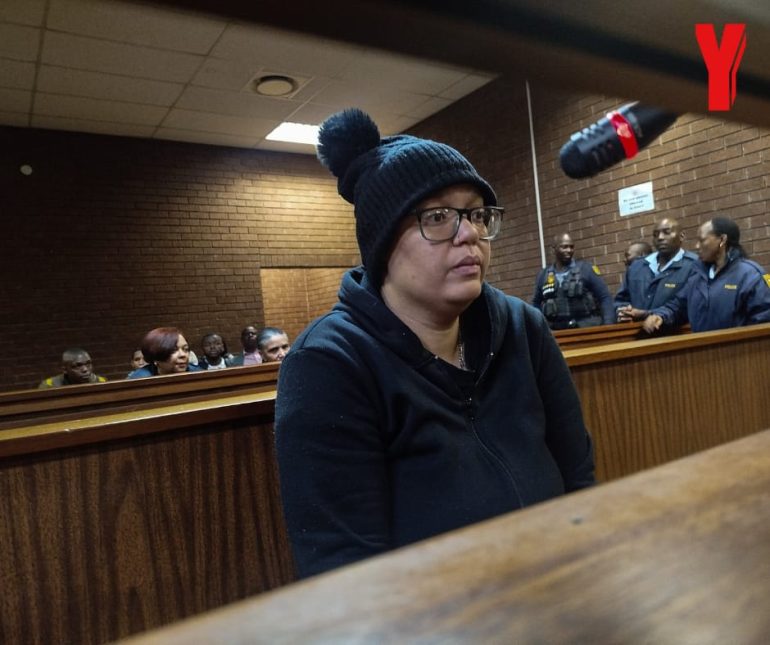
A bail hearing that became a trial before the trial
By July, it was clear that Meek’s bail application would be anything but routine. The proceedings evolved into a near-trial, with both the defence and the State calling witnesses, challenging evidence and exposing gaps in the investigation.
The defence raised sharp questions about crime-scene management, uncollected exhibits and contradictions in witness statements. Prosecutors, meanwhile, argued that Meek should remain in custody, citing the seriousness of the charges, the risk of witness interference and the strong public interest in the case.
The hearing was marked by intense emotion. Meek repeatedly maintained her innocence, presenting herself not as an accused criminal but as a grieving mother — a stance that ignited fierce debate both inside the courtroom and across the country.
As the proceedings reached a critical stage, the State revealed that several key witness statements were still outstanding, underscoring both the complexity of the investigation and the high stakes surrounding the bail decision.
Public scrutiny, gender and the court of opinion
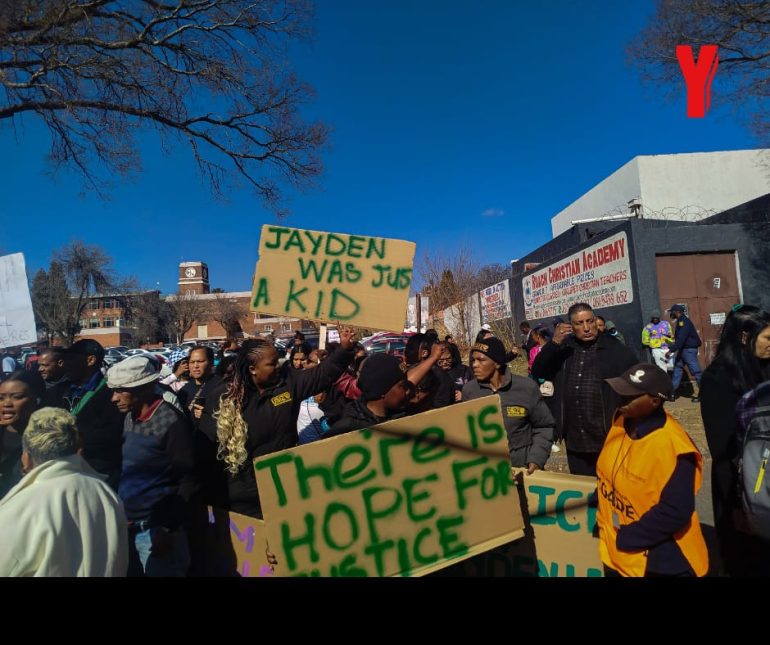
Beyond legal arguments, the case sparked broader conversations about how society views mothers accused of harming their children. Public reaction was swift and deeply polarised, ranging from outright condemnation to firm calls for due process.
The courtroom became more than a legal forum — it served as a mirror reflecting collective grief, anger and discomfort. Each appearance was closely followed, dissected on social media and debated in public spaces, cementing the case as one of the most emotionally charged legal stories of the year.
Fear behind bars and the toll of incarceration
In November, the narrative shifted again when Meek told the court she feared for her life in prison following an alleged stabbing incident while in custody. The claim added a human dimension to the case, drawing attention to the realities faced by high-profile accused persons behind bars, particularly in cases involving children.
The court also heard that Meek’s legal team had changed due to financial constraints — a stark reminder of how prolonged legal battles can exhaust resources long before a trial even begins.
Five charges and the road to trial
As the case moved into pre-trial proceedings, the National Prosecuting Authority confirmed that Meek now faces five charges, including murder and child abuse and neglect. Prosecutors indicated they were preparing to advance the matter, with several procedural issues still to be resolved.
Despite months of hearings, testimony and intense public debate, the central question remains unanswered: what truly happened to Jayden-Lee Meek?

Written by: Lebohang Ndashe


Current show
Upcoming shows
Latest posts