-
 play_arrow
Y WORLD Radio Station Y WORLD RADIO
music_note

2025 in Review | GBVF crisis: A year of tragedy, outrage and calls for action

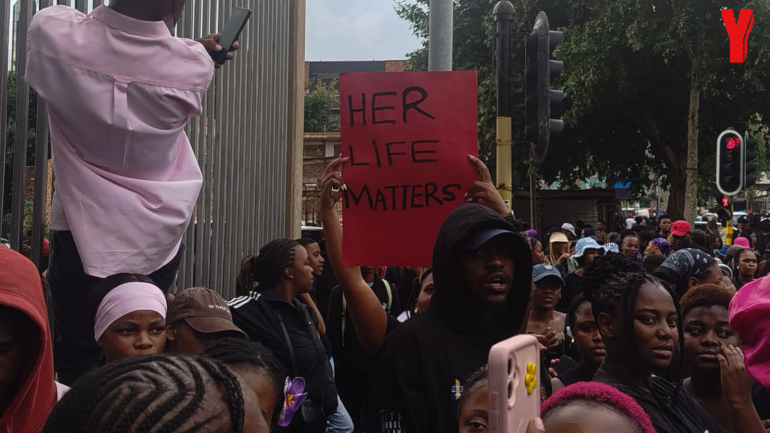
As gender-based violence and femicide (GBVF) continued to dominate the headlines across the country, ordinary South Africans took a bold stand against the scourge. Growing public pressure compelled President Cyril Ramaphosa to respond, ultimately declaring GBVF a national disaster — a recognition of the scale and severity of the crisis, and a clear signal that all sectors of society must work together to protect women and children.
National Protests and Public Outcry
Thousands of South Africans took part in a nationwide shutdown on 21 November, led by one of the country’s largest anti-GBVF movements, Women for Change (WFC). In a powerful act of remembrance and protest, women, children, and members of the LGBTQI+ community observed 15 minutes of silence, lying down to honor the 15 women killed each day.
At gathering points across the country – including Constitution Hill in Johannesburg – crowds filled public spaces with chants, placards, and emotional pleas for justice. The crisis also drew international attention during the G20 Summit, as global leaders witnessed South Africa’s struggle with GBVF, further intensifying pressure on the government to implement concrete measures.


The National Disaster Management Centre concluded that GBVF has reached the threshold of a national disaster. Minister of Cooperative Governance and Traditional Affairs, Velenkosini Hlabisa, described the classification as a critical turning point, stressing that all sectors of society must come together to confront the crisis.
While the classification does not grant emergency powers, it reinforces existing contingency plans and strengthens coordination across government departments. Civil society organizations, including Sonke Gender Justice and Women for Change, welcomed the move and pledged to remain actively involved in ensuring that interventions translate into meaningful change.
Following the classification, Hlabisa convened special extended meetings to assess progress, reiterating that government alone cannot address the deeply rooted scourge of GBVF. He emphasised that sustained collaboration among communities, law enforcement agencies and advocacy groups remains essential to protecting women and children.

Amid the national outcry, several shocking cases captured public attention:
Controversy Surrounds Alleged Child Abuse
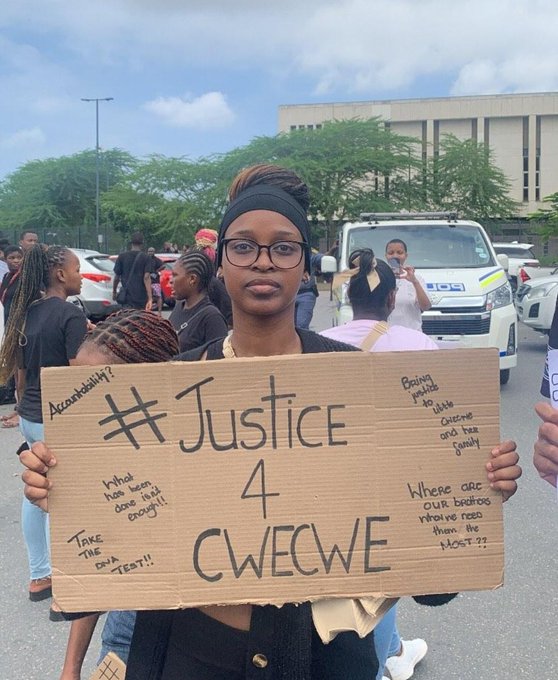
The alleged rape case of involving a Grade 2 learner at Bergview College in Matatiele, known publicly as Cwecwe, became one of the most controversial and emotionally charged GBVF stories of the year. The case exposed deep fractures within South Africa’s child protection, education and justice systems.
The matter took a dramatic turn last year after AfriForum’s Private Prosecution Unit released a statement referencing an allegedly leaked report, which claimed the child denied being raped and displayed no signs of trauma. The report, attributed to a forensic social worker, suggested the child’s pain was linked to constipation rather than sexual assault.
These claims stood in stark contrast to earlier statements by the Minister in the Presidency for Women, Youth and People with Disabilities, Sindisiwe Chikunga, who said medical evidence indicated the child had been raped multiple times.
The conflicting versions fueled widespread public confusion and outrage, further complicating the pursuit of justice for Cwecwe and her family. The controversy placed Bergview College principal Jaco Pieterse under intense public scrutiny after he was named as a suspect.
AfriForum defended Pieterse, maintaining that there was no evidence linking him to the alleged crime and confirming that Police Minister Senzo Mchunu later issued an apology to him. The National Prosecuting Authority ultimately withdrew the case, citing insufficient evidence, a lack of witnesses and the absence of foreign DNA.
Despite the withdrawal, nationwide protests under the banner #JusticeForCwecwe erupted across South Africa, with demonstrations also held by South Africans living abroad. The case became emblematic of broader public fears around child abuse, accountability and institutional failure.

Child advocacy organisations, including the Teddy Bear Clinic, called for stricter vetting procedures in schools, regular checks against the National Register for Sex Offenders, and the use of trained specialists when handling child abuse cases. They warned that systemic failures across education, policing and social services had left the child unprotected.
Amid mounting pressure for clarity and accountability, National Police Commissioner General Fannie Masemola assigned senior leadership within the Family Violence, Child Protection and Sexual Offences (FCS) Unit to oversee the investigation.
As the year drew to a close, the Cwecwe case remained unresolved in the public consciousness — a painful reminder of the persistent gaps in child protection and a flashpoint in South Africa’s ongoing fight against gender-based violence and abuse.
The Alleged “Tinder Rapist”

In Pretoria, 36-year-old Helder Isidro made national headlines as the suspected perpetrator of multiple rapes and murders.
Isidro allegedly used a dating app to lure women to his home in Eersterust, where he raped them. Police later discovered the body of 30-year-old Loveness Magabe buried in a shallow grave on his property.

He abandoned his bail application at his last appearance at the Pretoria Magistrates’ Court. He faces charges including murder, rape and defeating the ends of justice, while investigations continue into his possible involvement in other violent crimes in the area.
Residents of Eersterust have expressed ongoing fear, citing violent attacks near local train stations and calling for increased police visibility.
Isidro remains in custody and is expected to return to court on 14 January 2026.
Brutal Murder Sparks Community Outrage

The brutal murder of 20-year-old Kgaogelo Marota from Hammanskraal shocked the nation and reignited widespread calls for stronger action against gender-based violence.

Marota was allegedly stabbed multiple times outside a tavern by her ex-boyfriend, 26-year-old Lazarus Antonio, also known as Mfana Ngwenya. He is further accused of attempting to kill his current girlfriend on the same day and posting a confession on social media, blaming her for his actions.
The social media post drew particular outrage, echoing a similarly disturbing case in KwaZulu-Natal last year, where Sibusiso Lawrence Ntaka recorded and shared a video after killing his partner.
Marota’s father, Thabiso Seema, shared his grief publicly, urging fathers to play a more active role in their children’s lives and lamenting that his daughter’s life was cut tragically short.
Antonio remains in custody and is expected to return to court in January 2026.
Looking Ahead
As 2025 drew to a close,South Africans continue to mourn the victims of GBVF while demanding meaningful and lasting change. From the harrowing cases of Isidro, Marota and Cwecwe to nationwide protests and government interventions, the year served as a stark reminder of the depth of the crisis — and the urgent need for accountability, protection and justice.
Similar posts
Current show
Upcoming shows
Latest posts
LATEST NEWS

Gauteng urged to keep cool amid scorching heat

Pietersen wary of strong Cardiff outfit

Baby Nikita trial | Eldorado Park man accused of her killing blames drugs for his actions, seeks leniency
Revised White Paper on Local Government sparks division ahead of elections

YouthX by Nedbank Con Hill 21 November 26
SPOTLIGHT FEST