-
 play_arrow
Y WORLD Radio Station Y WORLD RADIO
music_note

Defence in Meyiwa trial can still raise hell, says expert
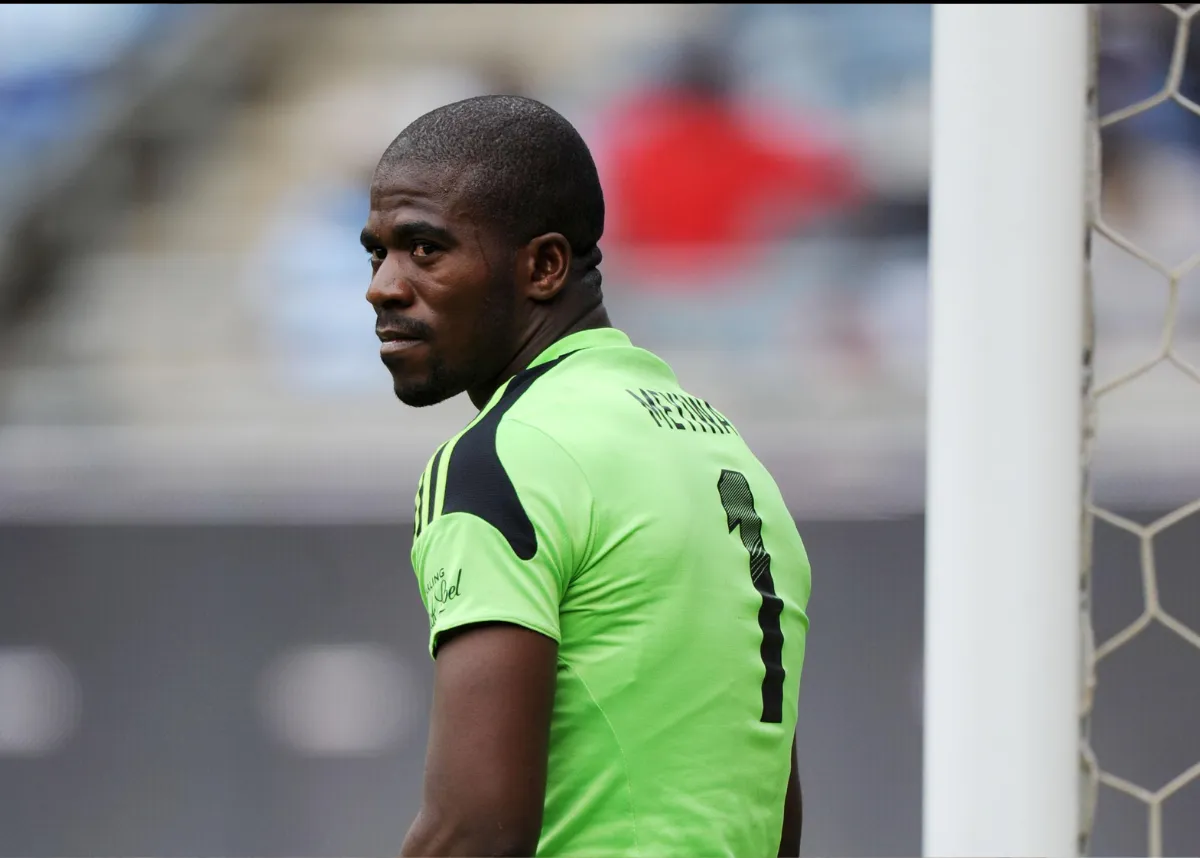
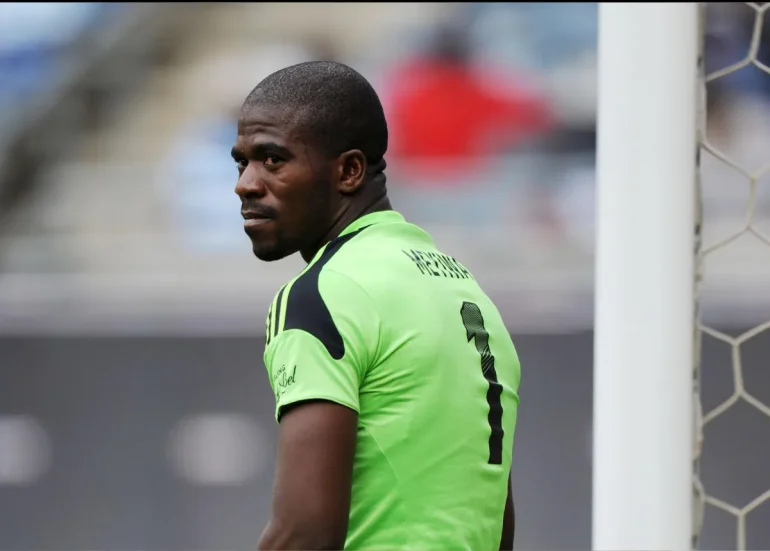
Legal expert, Leo Maphosa, says the defence in the Senzo Meyiwa murder trial is in no way obligated to inherit the state’s blind spots.
Maphosa says they are within their right to excavate what the prosecution buried beneath silence.
The state has officially concluded its case in the trial that began in 2022. The focus will now move sharply to the defence as the five men accused of Meyiwa’s murder prepare to argue their innocence.
Maphosa says with the prosecution’s case now closed, the defence could call witnesses the state avoided, such as Kelly Khumalo and Longwe Twala.
“These are not just names, they are narrative pillars – the fact that the state omitted them is either strategic restraint or strategic evasion.”
The expert expressed that the slow pace of this trial has done great damage, not only to public confidence but to the moral authority of the justice system itself.
He says the delays are not merely procedural, but reputational.
“Yes, we must always guard against sacrificing legal principle at the altar of expediency, but justice is not meant to become a hostage of its own process.”
Maphosa adds that the Constitution does not ask that there be a choice between speed and substance, it demands both.
“The judge’s frustration with the pace of the case is not unfounded; at some point, delayed justice becomes constitutional decay.”
Weighing in on the takeaways from the state’s case, Maphosa says it was voluminous but not always persuasive.
He says the prosecution’s coherence of its narrative remains fragile.
“The case was meant to tie everything together, but instead it raised more questions than it answered. The most troubling thing is the absence of key eye witnesses, those who were present at the crime scene, the very people who could help answer who pulled the trigger were excluded.”
Maphosa says the Meyiwa case is more than just a trial; it is a litmus test for the moral and legal resolve of the country’s democracy.
He adds that the implications of, what he has dubbed the most consequential criminal trials in post apartheid South Africa, stretch far beyond the courtroom walls.
-
 play_arrow
Defence in Meyiwa trial can still raise hell, says expert Lindiwe Mpanza
On Thursday, advocate Charles Mnisis, representing two of the accused, indicated that they will bring a section 174 discharge application.
The case will resume on August 7.
Similar posts

Current show
Upcoming shows
Latest posts
LATEST NEWS

Madlanga Commission | ‘I’m not retired’: Sibanyoni hits back at taxi industry exit reports

Jansen keen to lead Proteas bowling attack

TRC Cases Inquiry | Didiza’s testimony may face further scrutiny over 2006 meetings
SAPS confident women’s killers will be brought to justice

Man accused of threatening to kill women in viral Sandton video released on warning
SPOTLIGHT FEST