-
 play_arrow
Y WORLD Radio Station Y WORLD RADIO
music_note

TRC cases inquiry | Bester grilled over questionable apartheid-era files and police audit
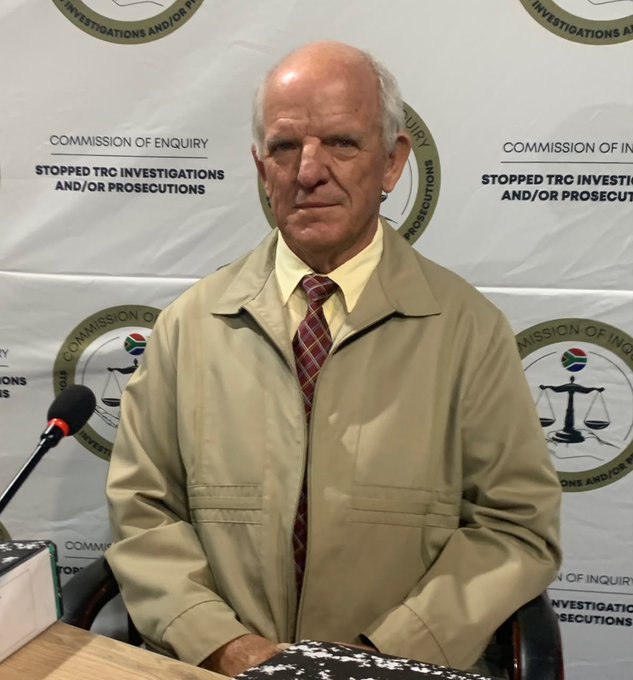
Retired police Colonel, Louis Bester, has struggled to account for discrepancies in a police audit of apartheid-era cases, with questions raised about the handling of sensitive Truth and Reconciliation Commission dockets and whether information submitted to the Khampepe Commission was misleading.
Lawyer for apartheid victims’ families, Advocate Howard Varney, challenged Bester over why some cases were flagged for possible further inquests despite records indicating that prosecutions had already taken place or that further inquiries were deemed unnecessary.
The commission is investigating allegations that political interference within the police and prosecuting authorities obstructed efforts to bring apartheid-era perpetrators to justice.
On Wednesday, Varney questioned why information about suspects who had already been convicted and sentenced was omitted from the audit report, while the document suggested that an NPA advocate was still considering whether to prosecute.
-
 play_arrow
TRC cases inquiry | Bester grilled over questionable apartheid-era files and police audit Nonhlanhla Harris
Bester denied deliberately misleading the commission, saying he could not recall how the information had been compiled or who had instructed him to follow up on the cases.
He suggested that the request may have originated from the police’s Interdepartmental Task Team, but said he could not be certain.
The questioning follows broader concerns about the transfer of apartheid-era case files from the National Prosecuting Authority (NPA) to the police’s Specialised Crime Unit.
Varney questioned the chain of custody of the dockets, including why no formal handover or inspection report accompanied their transfer.
Bester testified that he had ordered an audit to establish which documents had been received and to ensure they remained secure. However, he could not confirm whether the files had been formally classified or explain why they had been removed from the NPA.
-
play_arrow
TRC cases inquiry | Bester grilled over questionable apartheid-era files and police audit Nonhlanhla Harris
Bester maintained that his responsibility was to safeguard the documents, but said he was unaware of the political reasons behind their transfer.
Varney also probed whether the handling of the files was linked to concerns about possible prosecutions involving senior African National Congress (ANC) figures, including former President Thabo Mbeki.
An internal NPA memorandum raised concerns about efforts to pursue a terrorism case against Mbeki linked to the landmine campaign, at a time when former apartheid-era security branch members were facing prosecution.
The commission is examining whether the handling of these cases formed part of a broader pattern of interference that undermined efforts to secure accountability for apartheid-era crimes.
Bester also defended his role in a separate investigation into allegations that an official NPA memorandum bearing Advocate Anton Ackerman’s signature had been forged or tampered with.
He testified that the investigation took place between 22 and 31 August 2007, following allegations of forgery involving the document.
Bester said he had been instructed by then Detective Services Commissioner, F.J. De Beers, to obtain a statement from retired Superintendent Britz and investigate the authenticity of Ackerman’s signature.
The investigation involved SAPS forensic experts and an independent handwriting specialist appointed to provide a second opinion.
-
play_arrow
TRC cases inquiry | Bester grilled over questionable apartheid-era files and police audit Nonhlanhla Harris
Bester said no further instructions were given after the forensic findings were received, maintaining that his role was limited to investigating the disputed document and securing files linked to apartheid-era cases.
His testimony has left the commission examining unanswered questions about the movement of sensitive dockets, the accuracy of police records and the decisions that shaped the handling of apartheid-era prosecutions.
The inquiry seeks to establish whether political interference obstructed the prosecution of apartheid-era crimes and denied victims and their families the justice they had sought.
Written by: Lebohang Ndashe
Current show
Upcoming shows
Latest posts
LATEST NEWS
Ouaddou accepts favourites tag ahead of derby
YNews Elections Build-up | Tshwane residents cry out for visible change ahead of elections

Cable theft, vandalism cost City Power R236 million as outages persist
Tshuma family desperate for closure as proposed guilty plea remains uncertain
15-year-old among five suspects arrested in Eldorado Park e-hailing robbery
SPOTLIGHT FEST