-
 play_arrow
Y WORLD Radio Station Y WORLD RADIO
music_note

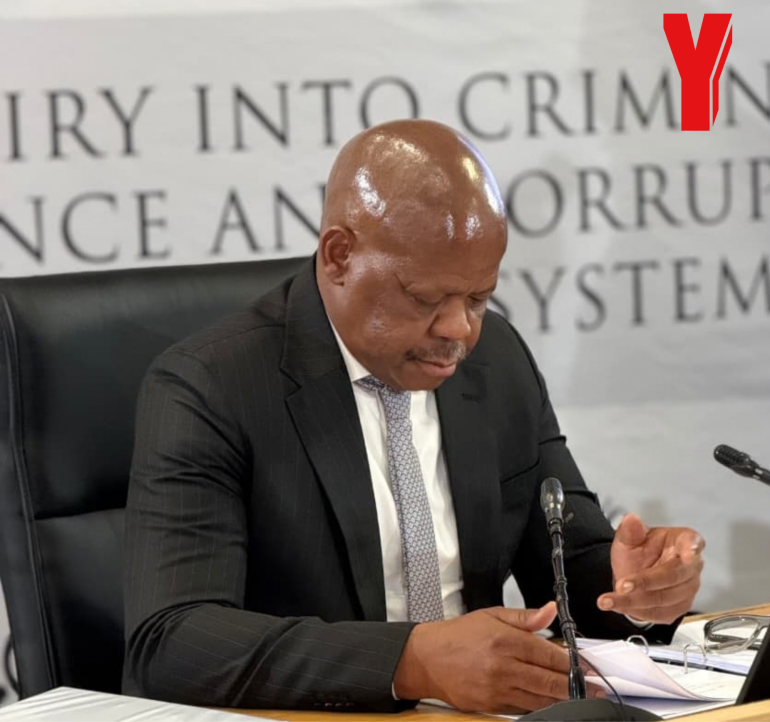
TRC Cases Inquiry | Radebe pressed on stalled TRC prosecutions and fate of apartheid-era cases
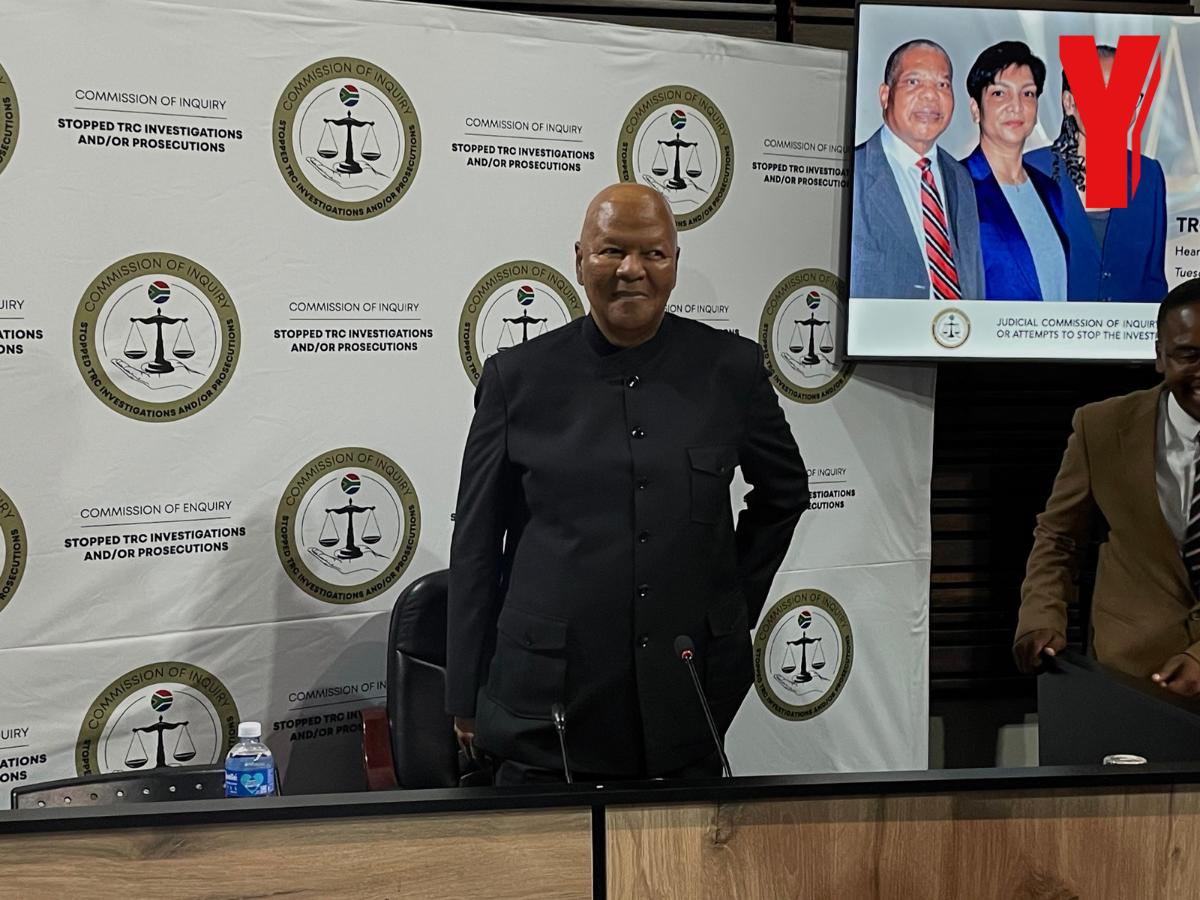
Former Justice Minister, Jeff Radebe, has faced intense questioning over the government’s handling of apartheid-era cases, including the Sharpeville Massacre, and why scores of Truth and Reconciliation Commission matters remained unresolved years after the commission concluded its work.
Victims’ lawyer, Advocate Howard Varney, challenged Radebe’s evidence on post-TRC prosecution policies, Cabinet’s role and whether government decisions created avenues for perpetrators of serious crimes to avoid prosecution.
The Sharpeville Massacre became a key reference point during Tuesday’s cross-examination. On 21 March 1960, police opened fire on protesters marching against apartheid’s pass laws at the Sharpeville police station in what was then the Transvaal. Sixty-nine people were killed and more than 180 injured.
The massacre was raised in the inquiry as part of broader questions over whether the state adequately pursued those responsible for apartheid-era crimes after the TRC process.
Radebe said it was clear that some perpetrators of apartheid-era crimes remain free, but maintained that he could not speak to decisions taken during periods when he was not Justice Minister.
-
 play_arrow
TRC Cases Inquiry | Radebe pressed on stalled TRC prosecutions and fate of apartheid-era cases | By X9 Converter
The inquiry then turned to government decisions taken after the TRC’s final report in 2003.
Cabinet considered outstanding amnesty matters, while an Amnesty Task Team examined prosecution criteria and the possibility of further amnesty.
Radebe said he could not recall the specifics of those processes and rejected the suggestion that Cabinet intended to undermine prosecutions.
Varney also questioned Radebe over a May 2009 memorandum from then-Acting National Director of Public Prosecutions, Mokotedi Mpshe.
The memorandum warned that TRC-related cases had not been properly investigated and urged Radebe to raise the systemic delays with Cabinet colleagues responsible for Safety and Security and Intelligence.
-
play_arrow
TRC Cases Inquiry | Radebe pressed on stalled TRC prosecutions and fate of apartheid-era cases | By X9 Converter
Radebe maintained that he did not interfere in prosecutorial decisions, arguing that those powers rested with the National Prosecuting Authority (NPA).
He said his role as minister was to provide administrative support while respecting prosecutorial independence.
-
play_arrow
TRC Cases Inquiry | Radebe pressed on stalled TRC prosecutions and fate of apartheid-era cases | By X9 Converter
But under questioning, Radebe could not recall specific interventions with the police ministry to address the shortage of investigators working on sensitive TRC cases.
He was also challenged over cases where families waited more than a decade for action, including the disappearance of an MK soldier.
Radebe pointed to successive National Directors of Public Prosecutions (NDPPs) as having responsibility for prosecutorial decisions, while the inquiry continues to examine allegations of political interference in the investigation and prosecution of apartheid-era cases.
His cross-examination has concluded.
Written by: Lebohang Ndashe
Current show
Upcoming shows
Latest posts
Sibiya arrest raises questions over police succession and security concerns
TRC Cases Inquiry | Radebe pressed on stalled TRC prosecutions and fate of apartheid-era cases

Mogotsi’s fourth attempt at bail falls flat
Madlanga Commission | ‘I’m not retired’: Sibanyoni hits back at taxi industry exit reports
LATEST NEWS
Sibiya arrest raises questions over police succession and security concerns
TRC Cases Inquiry | Radebe pressed on stalled TRC prosecutions and fate of apartheid-era cases
Mogotsi’s fourth attempt at bail falls flat
Madlanga Commission | ‘I’m not retired’: Sibanyoni hits back at taxi industry exit reports

Jansen keen to lead Proteas bowling attack
SPOTLIGHT FEST