-
 play_arrow
Y WORLD Radio Station Y WORLD RADIO
music_note

Apartheid victims deserved justice, not just reconciliation: Ackerman
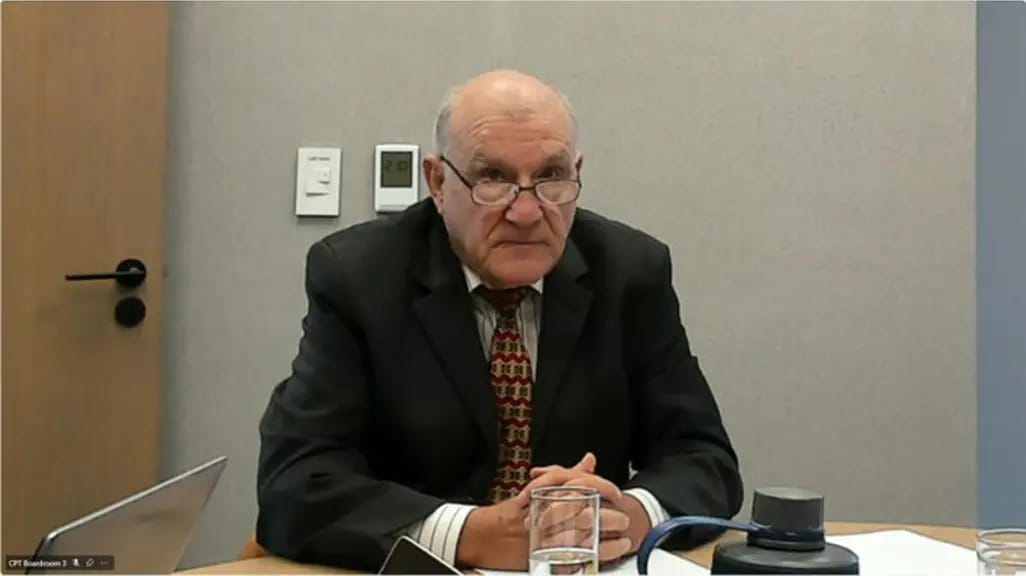
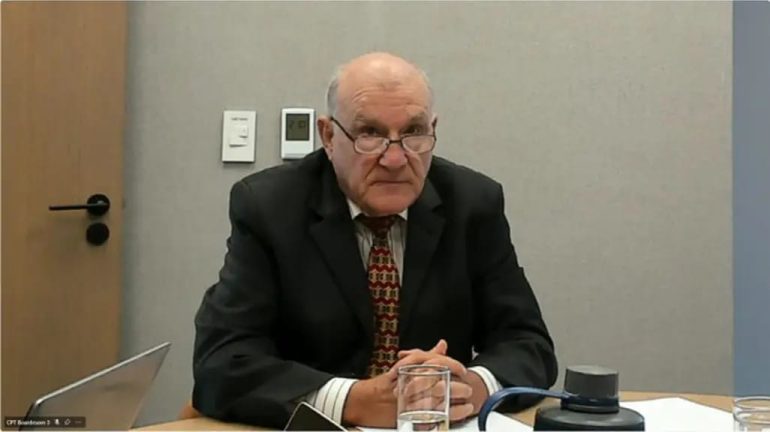
Former Priority Crimes Litigation Unit head, Anton Ackerman, has set a confrontational tone at the Truth and Reconciliation Commission (TRC) cases inquiry, insisting that victims of apartheid-era atrocities were entitled to justice, not merely reconciliation and that prosecutions should have followed once the commission concluded its work.
Testifying on Wednesday before the inquiry chaired by Justice Sisi Khampepe, Ackerman painted a picture of stalled dockets, alleged political interference, and what he described as missed opportunities to hold perpetrators accountable.
Appearing via video link from Cape Town, Ackerman confirmed affidavits dating back to 2015 and 2025 before outlining his professional history and the period under scrutiny – a time when many apartheid-era cases were never pursued.
He told the Commission he had reviewed thousands of pages of documents and identified what he described as attempts to influence or pressure the National Prosecuting Authority.
-
 play_arrow
Apartheid victims deserved justice, not just reconciliation: Ackerman | By X9 Converter
Ackerman said that while the TRC played a vital role in securing a peaceful democracy, its mandate had ended and accountability should have followed for those who were denied amnesty.
He is expected to detail, in phases, how TRC-related prosecutions were handled from the early 1990s onward, including high-profile cases such as former Vlakplaas commander Eugene de Kock.
Ackerman also told the inquiry he never received any formal handover of TRC dockets despite references to nearly 400 cases.
As the Commission continues its hearings at the Sci-Bono Discovery Centre, Ackerman testified that neither he nor the unit he led were ever officially provided with a consolidated list of TRC dockets by either the TRC or the National Prosecuting Authority (NPA).
-
play_arrow
Apartheid victims deserved justice, not just reconciliation: Ackerman | By X9 Converter
He explained that he worked through the dockets brought to him, reviewing up to ten cases a day and assessing whether there were reasonable prospects of prosecution.
Ackerman referred to internal audit reports compiled between 2003 and 2006 detailing cases assessed, closed, and declined. Breaking the handling of TRC prosecutions into four distinct periods spanning nearly 28 years, Ackerman said there were no prosecutions before the Priority Crimes Litigation Unit was established in 2003.
Between 2003 and 2007, while overseeing TRC matters, at least six cases were enrolled in court. However, he told the inquiry that in the decade following his removal from TRC-related cases in 2007, he was unaware of any prosecutions being pursued.
Furthermore, the former Priority Crimes Litigation Unit head laid the bulk of alleged political interference at former President Thabo Mbeki, describing his approach to the investigation as manipulative.
Ackerman said he believed the threat of charging Mbeki with terrorism was leveraged to halt the prosecution of former Security Branch members who had been denied amnesty.
He told the inquiry that when he informed the suspects’ attorney of his intention to proceed with prosecutions, he was told there was a “solid case” implicating Mbeki in terrorism linked to the MK Landmine Campaign.
-
play_arrow
Apartheid victims deserved justice, not just reconciliation: Ackerman | By X9 Converter
According to Ackerman, neither the attorney nor SAPS members could produce any docket implicating Mbeki. He subsequently instructed the then-DPP to review all relevant TRC evidence to test the allegations.
The inquiry also heard that Ackerman was later shown a video during a meeting with then-NPA head, Bulelani Ngcuka, amid claims that Mbeki was due to be arrested – a claim Ackerman denies.
Earlier in his testimony, Ackerman alleged that mechanisms were devised to shield perpetrators denied amnesty, and that high-level discussions took place involving the African National Congress (ANC), South African National Defence Force (SANDF), South African Police Service (SAPS), and former President F. W. de Klerk in an effort to find a political solution to avoid further prosecutions.
Proceedings at the Khampepe-led inquiry are set to continue on Thursday morning, with further detail expected on how TRC-related prosecutions were handled and why so many apartheid-era cases never reached court.
Written by: Lebohang Ndashe

Current show
Upcoming shows
Latest posts
LATEST NEWS

Proteas bowlers skittle out Aussies to level series

SA water safety under scrutiny as officials face criminal complaints

Baby Nikita’s father admits he intended to kill daughter in guilty plea

SANTACO holds off on taxi fare hikes as fuel levy cuts offer temporary relief

Cardoso bills Wiliete second leg tie as final
SPOTLIGHT FEST