-
 play_arrow
Y WORLD Radio Station Y WORLD RADIO
music_note

EMS urges residents to stay hydrated as heatwave strikes parts of Gauteng
What is El Niño?
El Niño happens when parts of the Pacific Ocean become unusually warm, often contributing to hotter and drier conditions in Southern Africa.As dangerous heatwave conditions approach, the public is urged to take precautions and stay protected. Follow the heat safety tips provided on the poster and take steps to beat the heat.
#GovZAUpdates #ElNiño #StaySafe
— South African Government (@GovernmentZA) November 6, 2026
The news reader is so real for this 😭😭😭😭.
The heatwave is back and worse. Please keep hydrated though I don’t know where you will get water https://t.co/ODU3GjrOlX
— Mpho🌸 (@msmonakhisi) November 11, 2026
♦️HEATWAVE ALERT: STAY SAFE, JOBURG ♦️
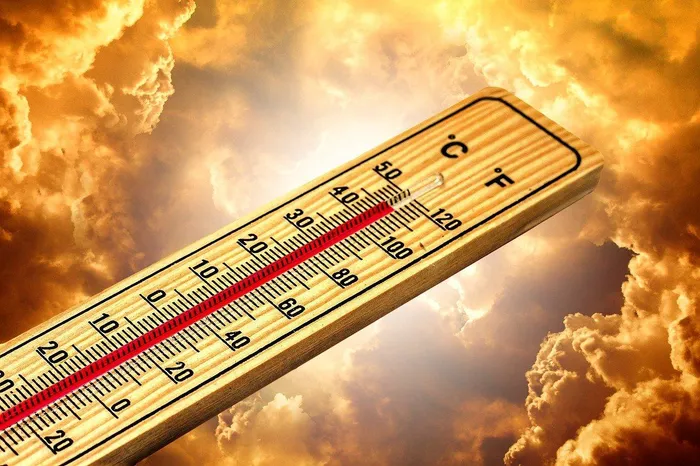
Residents of Johannesburg are advised that extremely hot temperatures are expected from this afternoon, Wednesday 11 November, until Friday 13 November. This is Gauteng’s second heatwave this year, and the South African Weather Service indicates heatwave conditions are possible over southern Gauteng through to Friday, with isolated thundershowers possible in parts of the province.
☀️ PROTECT YOURSELF
✅ Drink plenty of water throughout the day, even if you don’t feel thirsty.
✅ Avoid direct sunlight, especially between 11h00 and 15h00.
✅ Wear light, loose-fitting clothing, a hat and sunscreen
✅ Outdoor workers: take regular breaks in the shade and keep water close.
✅ Limit strenuous activity during the hottest part of the day.LOOK OUT FOR OTHERS
✅ Check on elderly neighbours, young children and anyone who is ill.
🚫 NEVER leave children or pets in a parked vehicle, not even for a few minutes.
🐾 Make sure pets and animals have shade and fresh water⚠️ KNOW THE WARNING SIGNS
Headache, dizziness, nausea, heavy sweating, cramps, confusion or fainting can signal heat exhaustion or heatstroke. Move the person to a cool place, give sips of water and loosen tight clothing.📞 In an emergency, call City of Joburg EMS on 011 375 5911 or 10177.
Stay cool, stay hydrated and look after one another, Joburg. 💙
— COJ People’s MMC Public Safety (@PublicSafetyMMC) November 11, 2026


Current show
Upcoming shows
Latest posts
LATEST NEWS

Madlanga Commission | Hawks officer questioned over JMPD misconduct allegations

McCarthy sees another David versus Goliath battle against Mosimane

Microsoft outage brings business to a crawl worldwide

More than 231,000 foreign nationals found working in SA as unemployment remains high

WIN TICKETS TO LYFE 2026 WITH Y AND CAPTAIN MORGAN
SPOTLIGHT FEST