-
 play_arrow
Y WORLD Radio Station Y WORLD RADIO
music_note

Gauteng urged to keep cool amid scorching heat
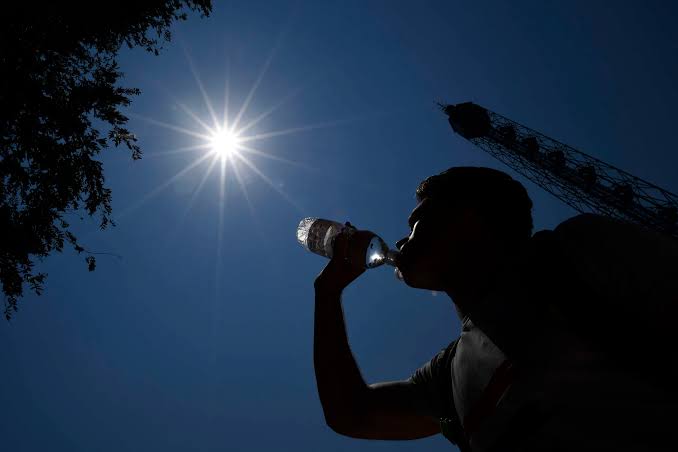
Gauteng residents are being urged to stay hydrated and take precautions as warm to hot conditions are expected across the province this weekend.
The South African Weather Service (SAWS) says temperatures could reach to 29 degrees Celsius this weekend, with warm to hot conditions, partly cloudy skies and the possibility of showers and thunderstorms in some areas.
Speaking to Ynews, SAWS forecaster, Lehlohonolo Thobela, says northern parts of the province can expect hotter conditions, while southern Gauteng faces a 30% chance of showers and thunderstorms on Sunday.
-
 play_arrow
Gauteng urged to keep cool amid scorching heat Odirile Rabolao
While many may welcome the sunshine, the weather service warns that prolonged exposure to excessive heat can cause heat cramps and heat exhaustion, which can progress to potentially life-threatening heatstroke.
Residents are urged to drink plenty of water, avoid direct sunlight between 11am and 3pm, and take regular breaks when working outdoors.
– Water safety remains a priority –
A sunny weekend also brings a reminder for parents and caregivers to remain vigilant around water.
The City of Johannesburg Emergency Management Services Communications Unit is urging residents to keep children away from dams, rivers and streams unless they are properly supervised, warning that a moment of inattention could have tragic consequences.
The unit’s public relations and communications manager, Robert Mulaudzi, is encouraging families to visit municipal swimming pools, where lifeguards are on duty to respond to emergencies.
“Residents are urged to monitor young children to stay away from dams and riverstreams to prevent drowning incidents
“Young children are encouraged to visit Municipal public swimming pools to cool themselves, they have lifeguards on site.”
Residents facing life-threatening emergencies can contact the City of Johannesburg Emergency Management Services Command and Control Centre on 011 375 5911.
– Preparing for a hotter summer –
Beyond this weekend’s forecast, concerns are growing about the potential impact of a strong El Niño event towards the end of 2026 and into early 2027, including above-average temperatures, drought conditions and an increased risk of veld fires.
Parts of South Africa could experience temperatures between one and three degrees Celsius above average, raising concerns about the strain prolonged heat and sudden weather changes could place on homes, vehicles and household equipment.
Momentum Insure chief actuary, Rudolf Britz, warns that the full impact remains uncertain, but extreme weather could drive up insurance claims involving motor vehicles, buildings and household contents.
He advises homeowners to prepare before the summer rains arrive by inspecting roofs and sealing visible gaps.
Repeated heating and cooling can cause roofing materials to expand and contract, potentially cracking tiles, weakening seals and damaging waterproofing. This can leave homes vulnerable to leaks and costly repairs when storms arrive.
High temperatures can also reduce solar panel efficiency, while inverters and batteries may overheat and shut down automatically. Keeping panels clean and ensuring batteries have adequate ventilation can help reduce these risks.
Air-conditioning systems may also come under additional strain, particularly outdoor units and those installed in poorly insulated roof spaces. Routine maintenance and proper insulation can help reduce the risk of leaks and equipment failure.
Motorists are also urged to check their tyres, as hot road surfaces and high temperatures can accelerate wear. Worn or underinflated tyres increase the risk of blowouts, so drivers should check tyre pressure when the tyres are cool and ensure the tread remains roadworthy.
– El Niño’s wider implications –
The potential effects of El Niño extend beyond South Africa. The World Meteorological Organization warns that strong El Niño conditions can raise global temperatures and disrupt rainfall patterns, increasing the risk of drought in some regions and flooding in others.
We’re headed for an El Niño that is — quite literally — off the charts.
WMO’s Global Seasonal Climate Update shows that El Niño is forecast to exceed the scale of global monitoring charts. Its impacts will be felt well into 2027.
Read the full update: https://t.co/TNAzqhUN1h https://t.co/wepfQM8Z7z
— World Meteorological Organization (@WMO) October 22, 2026
International Monetary Fund chief, Kristalina Georgieva, has raised concerns about the phenomenon’s potential impact on food security, while the United Nations Development Programme warns that the combined pressures of rising energy prices, borrowing costs and severe weather could push millions of people back into poverty.
.@UNOCHA & @WMO issue an appeal for immediate assistance to help communities already being impacted by the strongest #ElNiño on record.
The next two weeks are the critical window to act before that damage is done, @UNReliefChief said.
https://t.co/5mBgvZ8v5v https://t.co/e7nHe7VySE
— United Nations Geneva (@UNGeneva) October 22, 2026


Current show
Upcoming shows
Latest posts
LATEST NEWS
Gauteng urged to keep cool amid scorching heat

Pietersen wary of strong Cardiff outfit

Baby Nikita trial | Eldorado Park man accused of her killing blames drugs for his actions, seeks leniency

Revised White Paper on Local Government sparks division ahead of elections

YouthX by Nedbank Con Hill 21 November 26
SPOTLIGHT FEST