-
 play_arrow
Y WORLD Radio Station Y WORLD RADIO
music_note

TRC Cases Inquiry | Secret ANC-SADF talks aimed to avert civil war – Kogl
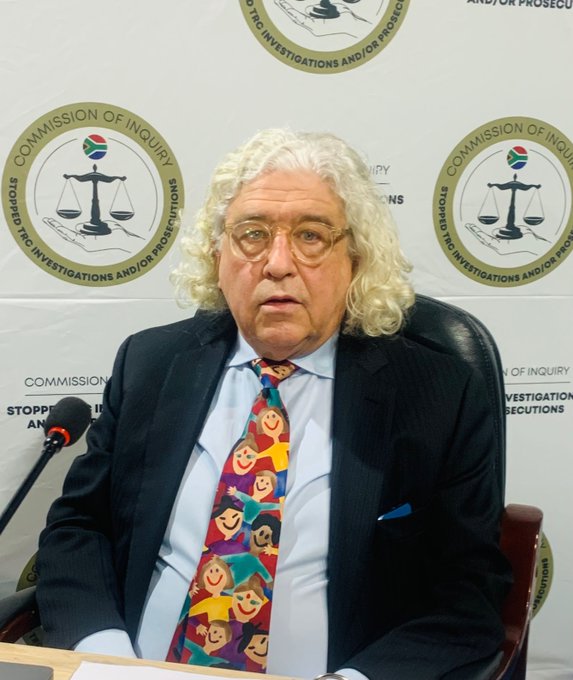
Businessman and former negotiator, Jurgen Kogl, has told the TRC Cases Inquiry that confidential talks between senior African National Congress (ANC) leaders and apartheid-era military figures were aimed at averting potential civil war and resolving outstanding issues from South Africa’s transition to democracy.
Testifying before the inquiry in Newtown on Friday, Kogl said senior political figures, including Nelson Mandela, Thabo Mbeki and Jacob Zuma, were involved in discussions held at his private residence to address what he described as “unfinished business” arising from the transition and the Truth and Reconciliation Commission (TRC) process.
“I put that there because it is that experience that then caused in the discussions – certainly up to 1994 and the agreement signed on the 23rd of April – that leaders in a confidential and trustworthy venue were able to extract from each other concessions and actions that produced peaceful outcomes.”
Kogl testified that following the assassination of Chris Hani and the collapse of the second Convention for a Democratic South Africa (CODESA 2) talks, senior ANC leaders approached him to facilitate alternative channels of communication with right-wing military figures, including former South African Defence Force chief, General Constand Viljoen.
He said the meetings provided a confidential platform for former adversaries to negotiate, make concessions and address unresolved matters outside public scrutiny, while seeking to preserve national stability within a constitutional framework.
Kogl maintained that his role was to facilitate dialogue between opposing sides, adding that he had neither a personal political agenda nor the authority to bind the parties to any agreement.
His testimony also touched on tensions between former military leaders and the TRC. Kogl said senior apartheid-era generals had rejected the commission’s approach, believing it was biased against statutory forces.
He testified that Viljoen proposed a “friend of a soldier” principle, similar to arrangements during court-martial proceedings, which would have allowed military personnel to access expert advice during the TRC process.
After the proposal was rejected, Kogl said former military chiefs established a Pretoria-based “Contact Bureau” to provide legal guidance to officers subpoenaed by the commission.
“The generals that I’m talking of were all the former chiefs of the Defence Force. They decided, given what they perceived to be a stacked prejudice against the statutory forces related to giving evidence at the TRC, a Contact Bureau was staged in Pretoria where officers who felt that they may be charged could find support based on the experience and leadership the generals provided.”
Kogl also rejected allegations that he had gone into hiding or operated outside the law to avoid testifying, insisting that had always been accessible and that his engagements were aimed at resolving outstanding political issues while protecting the country’s stability and economic growth.
“And what I meant to convey to the commission and commissioners is the fact that I was always easy to be found and contacted. You know, some evidence was led here that they couldn’t find me or couldn’t phone me. Those are false statements. In the forums, there was never a doubt that constitutional governance should govern the solutions that could be or should be applied to unfinished business of the TRC.”
The TRC Cases Inquiry, chaired by Justice Sisi Khampepe, is investigating allegations of political interference in the handling and prosecution of apartheid-era crimes.
Kogl’s testimony sheds light on the extent of confidential political negotiations during the democratic transition and raises questions about whether efforts to preserve stability influenced accountability for human rights violations committed under apartheid.
Proceedings are expected to resume on Monday.
@TRC_inquiry
Jurgen Kogl details his involvement in the negotiation process between ANC and apartheid leaders. https://t.co/59B2fb7JR3— TRC_inquiry (@TRC_inquiry) October 9, 2026
Written by: Lebohang Ndashe
Current show
Upcoming shows
Latest posts
LATEST NEWS

MySol secures court order against MacG after explosive podcast allegations

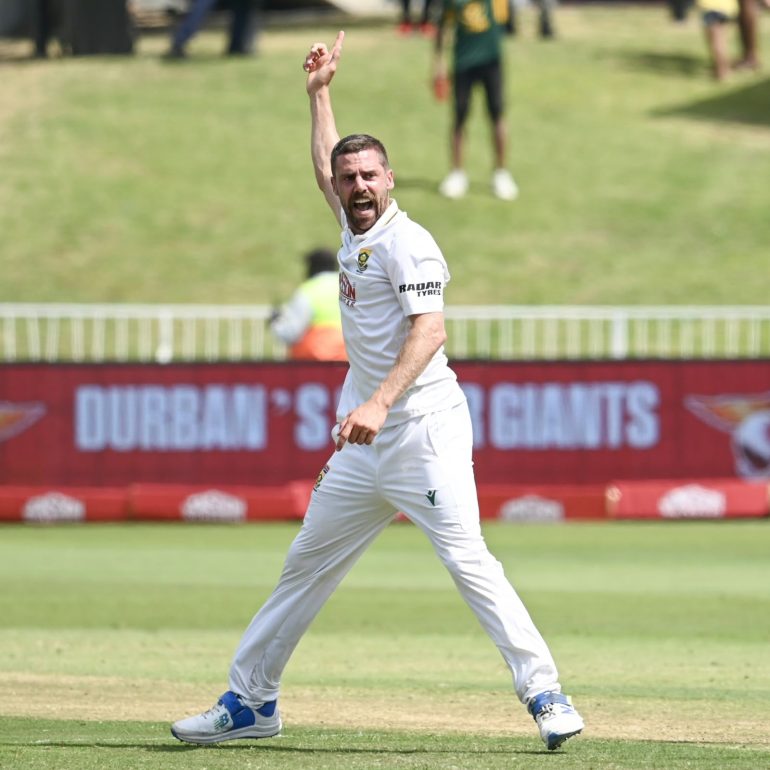
Proteas put pressure on Australia on Day 1 of Kingsmead Test
TRC Cases Inquiry | Secret ANC-SADF talks aimed to avert civil war – Kogl
Asylum seeker directive scrapped; fresh process to follow: Home Affairs
“No shortcuts to success”: Gwarube warns matrics against cheating
SPOTLIGHT FEST