-
 play_arrow
Y WORLD Radio Station Y WORLD RADIO
music_note

TRC Inquiry | Cele concedes apartheid-era cases should have been prioritised decades ago
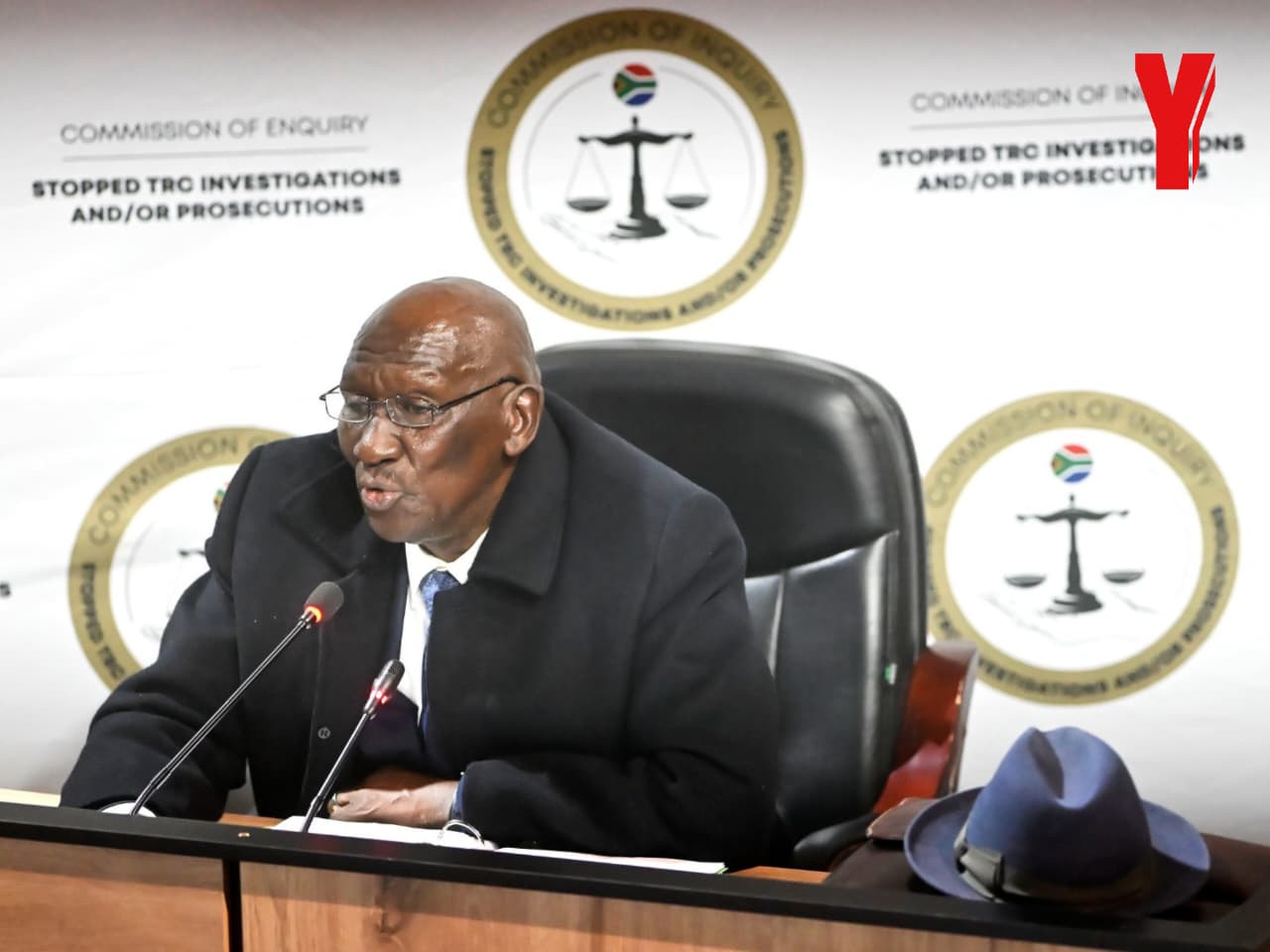
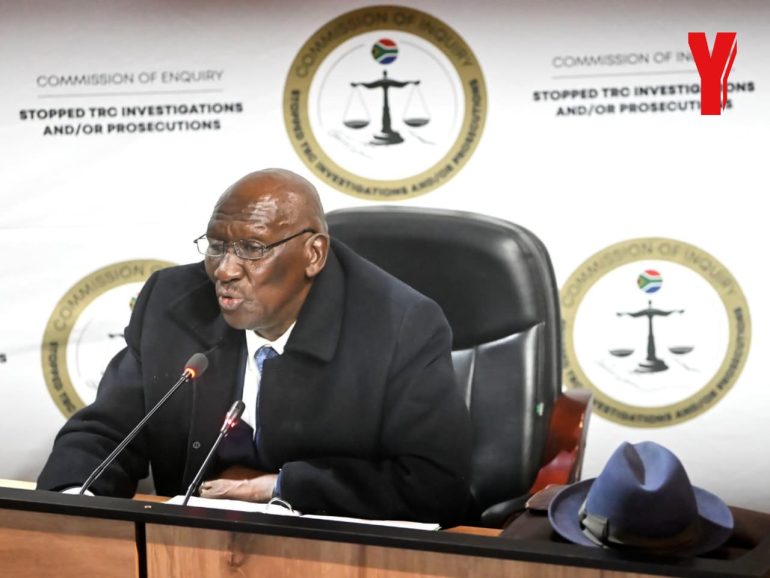
Former Police Minister, Bheki Cele, has conceded that the state failed apartheid victims’ families by allowing cases involving murdered and missing activists to languish for decades, acknowledging that they should have been treated as urgent priorities.
Under sustained cross-examination at the TRC Cases Inquiry on Thursday, Cele agreed that families should not have been forced to endure decades-long waits for answers and justice.
-
 play_arrow
TRC Inquiry | Cele concedes apartheid-era cases should have been prioritised decades ago | By X9 Converter
The former minister, who returned to the inquiry for further questioning, was pressed by, Advocate Howard Varney, on why cases involving ANC operatives who were abducted, tortured and killed were not resolved sooner.
Cele agreed that the delays were unacceptable and that the failures could not simply be attributed to a lack of resources.
The inquiry heard that decisions were made within police management about which investigations received attention, while many apartheid-era cases remained dormant for years.
Evidence presented to the inquiry indicates that TRC-related cases were largely left uninvestigated between 2003 and 2010, with no TRC matters enrolled for prosecution until 2016.
Cele maintained, however, that accountability should not rest solely with the police, pointing to the roles of the National Prosecuting Authority (NPA) and Treasury in the broader failure to pursue the cases.
The former minister also stood by his refusal to support state funding for the legal defence of former Security Branch officers accused of torture and murder.
He argued that it would be morally repugnant for a democratic government to use public funds to defend agents of an apartheid regime that was declared a crime against humanity.
-
play_arrow
TRC Inquiry | Cele concedes apartheid-era cases should have been prioritised decades ago | By X9 Converter
The cross-examination also turned to the Cradock Four investigation, with Cele acknowledging that concerns about the case had reached his office.
The inquiry heard that the original investigation docket disappeared around 2013 and was later reconstructed. The families subsequently approached the courts in 2021 to compel the police and NPA to finalise the investigation and make a decision.
The Cradock Four – Matthew Goniwe, Fort Calata, Sparrow Mkhonto and Sicelo Mhlauli – were abducted, tortured and murdered by apartheid security forces in 1985.
Varney put correspondence from 2020 to Cele and the National Commissioner before the inquiry, showing that concerns over the case had been escalated following the disappearance of the docket and alleged difficulties in opening a criminal case.
While Cele could not specifically recall the letter, he acknowledged that the matter was later discussed with senior police leadership.
-
play_arrow
TRC Inquiry | Cele concedes apartheid-era cases should have been prioritised decades ago | By X9 Converter
The evidence has placed renewed focus on the extent of political and administrative responsibility for the failure to advance apartheid-era cases, and whether decades of delay can be justified by resource constraints.
Cele also agreed with legal representatives that the inquiry should consider recommending that the President award constitutional damages to families who have waited decades for justice and closure.
His cross-examination has concluded, whilst the inquiry will on Friday hear the cross examination of former Justice Department Director-General, Terresa Sindane, who also testified before the inquiry July.
@TRC_inquiry
The proceedings are adjourned and will resume on tomorrow, Friday, 28 August at 10h00.The Inquiry will tomorrow hear the cross examination of former DG of the Department of Justice Ms Terresa Sindane.
Ms Sindane testified before the Inquiry July 2026. pic.twitter.com/fAMKrAoheq
— TRC_inquiry (@TRC_inquiry) August 27, 2026
Written by: Lebohang Ndashe

Current show
Upcoming shows
Latest posts
LATEST NEWS

Proteas bowlers skittle out Aussies to level series

SA water safety under scrutiny as officials face criminal complaints

Baby Nikita’s father admits he intended to kill daughter in guilty plea

SANTACO holds off on taxi fare hikes as fuel levy cuts offer temporary relief

Cardoso bills Wiliete second leg tie as final
SPOTLIGHT FEST