-
 play_arrow
Y WORLD Radio Station Y WORLD RADIO
music_note

Gauteng probes cost of educating undocumented foreign learners amid growing pressure on schools

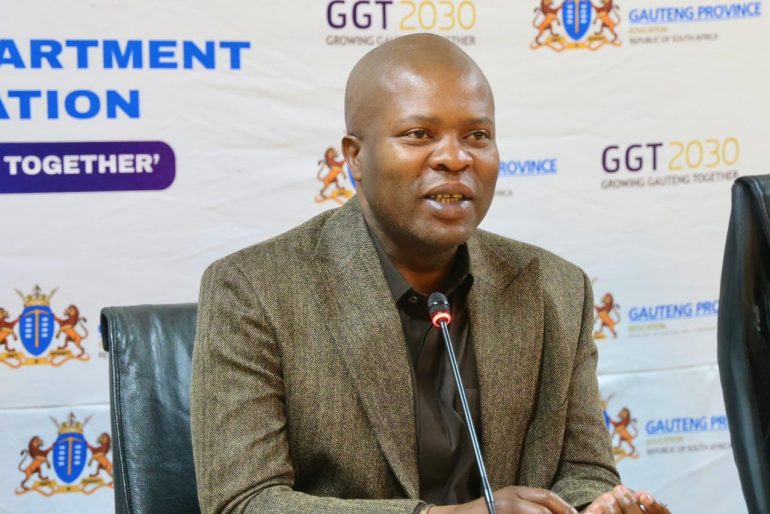
The Gauteng Department of Education has launched an investigation into the financial impact of educating undocumented foreign learners as schools continue to face mounting pressure from overcrowding and rising enrolment.
The issue was raised during the tabling of the department’s 2026/27 budget vote by Education MEC, Lebogang Maile, in the Gauteng Legislature on Tuesday.
Gauteng operates the largest public education system in South Africa, currently serving more than 2.8 million learners. The department says continued migration into the province has placed significant pressure on classrooms, infrastructure and learner support services.
Maile said concerns about undocumented foreign learners are frequently raised during community engagements and school visits. He said the department is assessing the number of undocumented learners in Gauteng schools and the financial impact of educating them.
“I’ve already asked the Department of Education to provide me with a list of all the kids who are undocumented from the different countries who are in our schools. We want to look at what are the financial implications of having them in the system.”
The MEC said the department will analyse the findings before determining what interventions may be necessary, while ensuring any action complies with existing legislation and relevant court rulings.
Education remains one of Gauteng’s biggest budget priorities, with the department receiving R70.9 billion for the 2026/27 financial year.
Maile said the province now serves nearly 2.9 million learners and continues to experience rising enrolment driven by migration, urbanisation and population growth. He said it now costs approximately R25,000 a year to educate a single learner, underscoring the growing financial pressure on South Africa’s largest schooling system.
To meet the growing demand, the department’s budget has increased by R2.9 billion this financial year. The additional funding will support infrastructure projects, learner support programmes, curriculum delivery and school modernisation initiatives.
Despite ongoing challenges, including overcrowded classrooms and mounting pressure on resources, Maile said the department remains committed to providing quality education across the province.
“Every year, you’ve got 50,000 more learners coming into the education system. And you now have to feed more kids, you have to provide more scholar transport and that’s why even today, you still have some of the schools not having enough furniture like desks and chairs and all that because the money is not enough. It’s a lot of money, but it’s not enough.”
Maile said learner enrolment in Gauteng has more than doubled since 1995, significantly increasing demand for classrooms, teachers, infrastructure and learning resources.
He also revealed that the department spends R1.7 billion annually on scholar transport, but warned that the programme remains under severe financial strain as learner numbers continue to grow.
Scholar transport remains essential for thousands of learners who live far from their schools and depend on government-funded transport to attend classes each day.
“We spend 1.7 billion every year. It’s still not enough. Sometime in July or August we will run out of that money because we’ve got a lot of kids who are being transported.”
The MEC said the department is exploring measures to ensure the long-term sustainability of the programme while preventing disruptions and ensuring that learners continue to travel safely to and from school.
He maintained that scholar transport remains critical to improving access to education, particularly for learners living in communities far from schools.
📚 The 2026/27 Gauteng Department of Education Budget Vote, tabled by MEC @LebogangMaile1, is guided by the theme #ItTakesAVillageToRaiseAChild, reaffirming that education is a shared responsibility.
With the budget increasing from R68 billion to R70.9 billion, the Department… pic.twitter.com/eN3J8b49kV
— Gauteng Department of Education (@EducationGP1) June 23, 2026
Written by: Lebohang Ndashe

Current show
Upcoming shows
Latest posts
LATEST NEWS

MySol secures court order against MacG after explosive podcast allegations

Proteas put pressure on Australia on Day 1 of Kingsmead Test
TRC Cases Inquiry | Secret ANC-SADF talks aimed to avert civil war – Kogl
Asylum seeker directive scrapped; fresh process to follow: Home Affairs
“No shortcuts to success”: Gwarube warns matrics against cheating
SPOTLIGHT FEST