-
 play_arrow
Y WORLD Radio Station Y WORLD RADIO
music_note

NCC probes sanitary pad suppliers following UFS study

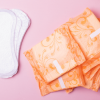
The National Consumer Commission (NCC) has launched an investigation into nine suppliers of sanitary pads and pantyliners following concerning findings by researchers at the University of the Free State (UFS).
The probe comes after a peer-reviewed study titled “The presence of Endocrine disrupting chemicals in sanitary pads: A study done in South Africa”, published in the journal ‘Science of the Total Environment’, found that several widely used
menstrual products may contain endocrine-disrupting chemicals (EDCs).
According to the study, every sanitary pad and pantyliner tested contained at least two EDCs, including phthalates, bisphenols (such as BPA), and parabens. These chemicals have been linked to hormonal imbalances, infertility, endometriosis and certain cancers.
The UFS research team analysed 16 brands of sanitary pads and eight types of pantyliners widely available in South African retail stores.
“Our study highlights a concerning reality regarding the safety of menstrual products,” Professor Deon Visser, Head of the Department of Chemistry at UFS said. “Many sanitary pads and liners contain hormone-disrupting chemicals, even when they are marketed as being ‘free from harmful chemicals’.”
Speaking to the public broadcaster, Professor Visser said prolonged exposure to these products was particularly concerning.
-
 play_arrow
NCC probes sanitary pad suppliers following UFS study Nonhlanhla Harris
Researchers noted that these chemicals may not always be intentionally added but can migrate from plastics, adhesives and manufacturing processes.
“The heat-pressing process can cause these chemicals to move into the top layer that touches your skin,” Prof Visser explained.
The study also raised concerns about regulatory gaps. According to Visser, current South African standards – including SANS 1043 testing by the South African Bureau of Standards – focus primarily on microbiological safety and absorbency, with no specific limits for the chemicals identified in the study.
Manufacturers are generally not required to disclose the full chemical composition of menstrual products.
“We do believe that manufacturers should disclose all chemicals in their products, even if they fall below daily limits,” he added.
In response, NCC acting commissioner Hardin Ratshisusu, confirmed that the regulatory body has initiated an investigation into suppliers whose products were included in the study, to determine whether any provisions of consumer protection laws have been contravened.
Ratshisusu said the probe involves nine suppliers, including Kotex, Always, We Flo, Lil-Lets, Stayfree and other brands.
-
play_arrow
NCC probes sanitary pad suppliers following UFS study Nonhlanhla Harris
Meanwhile, Professor Visser encouraged consumers to look for products certified under the OEKO-TEX Standard 100 or to consider reusable sanitary products.
The UFS research team is also working on developing reusable sanitary pads with antimicrobial properties as part of a broader menstrual health initiative.
The NCC is investigating nine suppliers of sanitary pads. Consumer safety is our priority.@PhethoN @the_dtic pic.twitter.com/HxPdFBcZYV
— The National Consumer Commission (NCC) (@TheNCC_RSA) February 24, 2026
Written by: Realeboga Nke


Current show
Upcoming shows
Latest posts
LATEST NEWS

Wolvaardt rediscovers form as Proteas breeze past Zimbabwe

Madlanga Commission | JMPD kidnapping, extortion claims exposed

Matlala Trial | Kekana’s torture claims under scrutiny

Majodina apologises after vulgar outburst as ANC faces backlash

Millions spent on anti-illegal immigration protests, but not enough for GBV: Activist
SPOTLIGHT FEST