-
 play_arrow
Y WORLD Radio Station Y WORLD RADIO
music_note

Tshwane’s water woes | Unsafe springs and critically low reservoirs
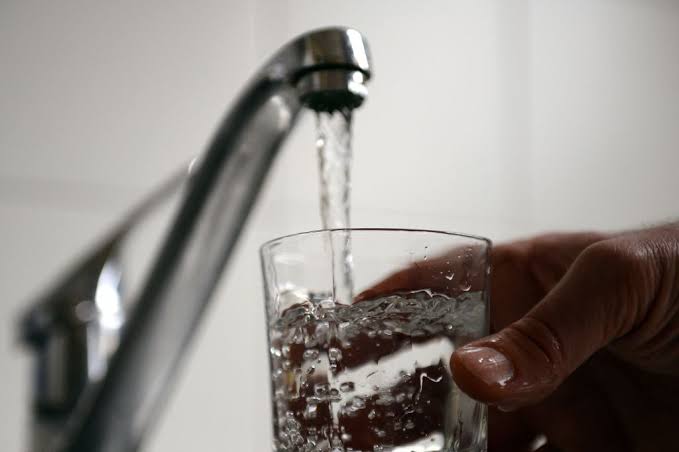
Tshwane residents are facing a double water warning, with the City raising the alarm over unsafe drinking water in Bronkhorstspruit and dwindling reservoir levels across the metro.
In Region 7, residents are being warned to keep their cups, containers and cooking pots away from the natural spring at the Rethabiseng Social Integrated Centre.
Water tests have found it unsafe for human consumption, with potentially harmful germs that could trigger diarrhoea, stomach cramps, nausea and vomiting.
The City says babies, young children, older people, pregnant women and those with weakened immune systems are particularly vulnerable.
The City’s spokesperson, Lindela Mashego, has urged residents to only use water sources approved or authorised by the municipality.
-
 play_arrow
Tshwane’s water woes | Unsafe springs and critically low reservoirs Odirile Rabolao
While some residents are being warned about the safety of their water, others are being urged to use it sparingly as reservoir levels remain low.
Tshwane’s latest reservoir update paints a mixed picture, with parts of the network holding steady while several key reservoirs remain at critically low levels.
Magalies/Rosslyn is sitting at a critical 16%, while Klapperkop is even more concerning at just 5%.
The Soshanguve L Tower, which supplies higher-lying areas, is at a worrying 6%, raising the risk of reduced water pressure for residents. Mabopane Main is at 22%, Ga-Rankuwa East at 33%, and Lotus Gardens at 29%.
Heights LL is sitting at 30%, while Clifton and Doringkloof reservoirs are at 19% and 35%, respectively.
Carina Street reservoirs are averaging 42%, still below the 55% threshold needed for safe and continuous pumping to higher-lying areas.
Brakfontein is at 33%, while Erasmusrand is at 35%. Mamelodi R3 and Eersterust are both at 20%.
There is some relief, however, on the horizon with Garsfontein improving to 52% and the distribution reservoirs it supplies remaining relatively stable.
The City says high consumption, limited incoming water volumes and low pressure are slowing recovery in some areas.
Residents are being urged to reduce unnecessary water use, repair leaking pipes and avoid watering gardens, washing cars with hosepipes or filling swimming pools.
Mashego says every litre saved can help rebuild dwindling reserves.
“The city and Rand water continue to balance supply and support recovery. We urge all customers to use water sparingly, repair leaks, and avoid watering gardens, washing cars with hosepipes or filling swimming pools. Every litre saved helps rebuild reserves and improve supply to affected households,” Mashego said.
Bronkhorstspruit residents: Tap water is still NOT safe for use and must only be used to flush toilets. https://t.co/v4dNd74idY
— City of Tshwane (@CityTshwane) November 6, 2026
Warning: Do not drink or use the spring water in Rethabiseng https://t.co/47psMZAKEL
— City of Tshwane (@CityTshwane) November 6, 2026

Current show
Upcoming shows
Latest posts
2026 Elections | Coalition fever grips parties as hung municipalities pile up
Tshwane’s water woes | Unsafe springs and critically low reservoirs

2026 Elections | Gauteng election results signal shifting fortunes as ANC acknowledges losses and IFP eyes gains

Russell Brand faces possible lengthy sentence after rape conviction
LATEST NEWS
2026 Elections | Coalition fever grips parties as hung municipalities pile up
Tshwane’s water woes | Unsafe springs and critically low reservoirs
2026 Elections | Gauteng election results signal shifting fortunes as ANC acknowledges losses and IFP eyes gains
Russell Brand faces possible lengthy sentence after rape conviction

Maumela’s multi-million-rand Ferrari set for auction
SPOTLIGHT FEST