-
 play_arrow
Y WORLD Radio Station Y WORLD RADIO
music_note

Trump administration moves to remove SA from AGOA as experts downplay economic impact
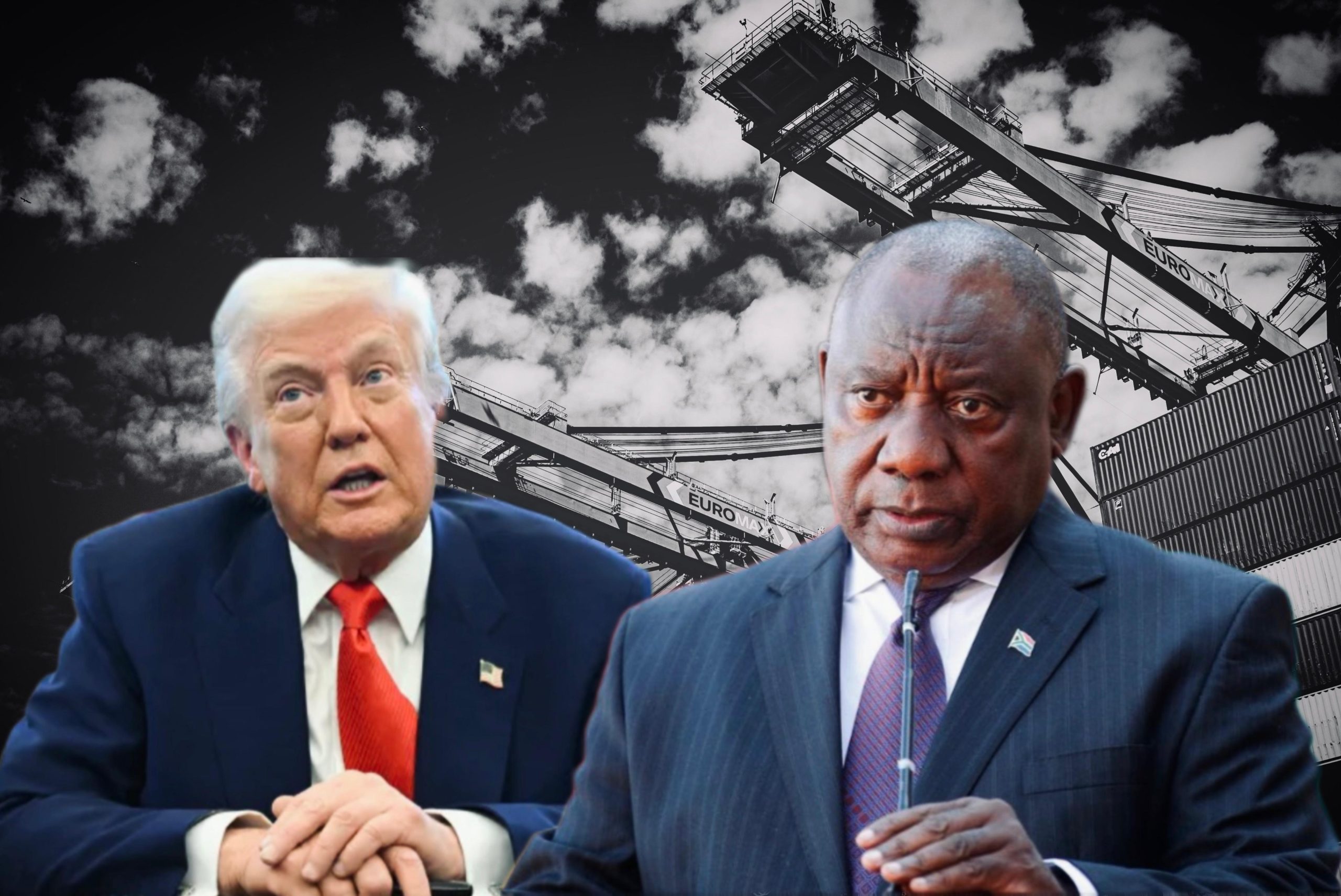
South Africa is set to lose preferential access to the United States market under the African Growth and Opportunity Act (AGOA), after President Donald Trump notified Congress of his intention to terminate the country’s participation in the trade programme from 1 January 2027.
The decision, announced by the Office of the United States Trade Representative on Monday, also affects Rwanda. It follows an annual review of sub-Saharan African countries’ eligibility for the programme.
US Trade Representative Ambassador, Jamieson Greer, said the Trump administration had found that both countries were engaging in practices inconsistent with AGOA’s eligibility requirements.
In South Africa’s case, Washington raised concerns about barriers to US trade and investment, corruption, and what it described as threats to its national security and foreign policy interests.
US Ambassador to South Africa, Leo Brent Bozell III, described the decision as regrettable but predictable, arguing that the South African government had failed to address Washington’s concerns.
“I remain hopeful that we can find a path forward to address our larger bilateral concerns, but the South African government must understand the gravity of the situation. We know that if America succeeds, so too will South Africa,” he said.
The announcement raised questions about the potential cost to South African exporters and industries that have benefited from duty-free access to the American market.
However, economist Dawie Roodt, believes the immediate impact on overall economic growth could be relatively small. He estimates that losing AGOA benefits could shave less than 0.1 percentage points off South Africa’s growth.
He cautions, however, that even a marginal setback matters in an economy already struggling to grow.
Roodt says sectors such as agriculture and manufacturing are likely to feel the impact most, as exporters could become less competitive and some jobs could come under pressure.
He believes the government should focus on strengthening the country’s economic fundamentals to make it more resilient to future international shocks.
“Try to be on the good side of everybody, internationally. Get your own ducks in a row when it comes to domestic policies. And do the right things domestically to ensure that the next crisis, whether it’s AGOA or oil prices, South Africa is better prepared to face these sorts of challenges,” stressed Roodt.
-
 play_arrow
Trump administration moves to remove SA from AGOA as experts downplay economic impact Realeboga Nke
Agricultural economist, Wandile Sihlobo, has also cautioned against interpreting the decision as a complete ban on South African products entering the US market.
He says South Africa will retain access to the American market, although some products will face higher tariffs without AGOA’s preferential treatment.
Sihlobo estimates that South African goods currently facing a 12.5% US tariff could face an increase to around 15.9% following the country’s removal from the programme.
He says this could weaken the competitiveness of some exports, but argues that the impact should be considered in the broader context of South Africa’s trade relationship with the US.
AGOA has been a crucial trade instrument for South Africa since its introduction in 2000. It allows eligible sub-Saharan African countries to export thousands of products, including certain agricultural and automotive products, to the US duty-free.
Sihlobo says the latest development reinforces the need for South Africa to diversify its export markets.
“Above all, this yet again reminds us of the need to work hard to diversify South Africa’s export markets to growing regions such as Asia and the Middle East,” he said.
However, he cautions that diversification should not be viewed as a replacement for established trading partners, including the US, the European Union, the United Kingdom and other African markets.
Meanwhile, lobby group, Solidarity, has blamed President Cyril Ramaphosa and International Relations Minister, Ronald Lamola, for the decision, accusing the government of ignoring repeated warnings about the deteriorating relationship with the Trump administration.
Solidarity’s Head of Public Relations, Jaco Kleynhans, said the organisation had previously engaged US lawmakers in an effort to secure support for extending AGOA until the end of 2028.
He argued that while Congress determines whether the legislation is extended, the White House is responsible for reviewing individual countries’ eligibility.
Solidarity says the government must urgently work to repair diplomatic relations with the US. The organisation says it is engaging American officials in an effort to limit the impact on affected industries.
-
play_arrow
Trump administration moves to remove SA from AGOA as experts downplay economic impact Realeboga Nke
The South African Government says it will now strengthen efforts to diversify the country’s export markets, particularly through its Industrial Development Strategy and Butterfly Strategy.
It says it is exploring opportunities in markets including Africa, India, the Southern African Development Community (SADC), the European Union, the United Kingdom and China.
The government says also points that only 10% of South Africa’s exports to the US entered under AGOA, while 89% entered through ordinary World Trade Organisation arrangements.
Minister of Trade, Industry and Competition, Parks Tau, says the government has measures in place to support affected sectors, protect national interests and continue pursuing trade, investment and shared economic opportunities with the US.
The decision places renewed pressure on Pretoria to find a diplomatic and trade solution before the proposed termination takes effect in January 2027.
While South Africa is not losing access to the US market altogether, the removal of preferential treatment could make some of its products more expensive and less competitive.
I see people trying to argue this morning that the ending of AGOA is not a big deal and perhaps they are right, but why make life more difficult for SA ? Why reduce our market share in the world . Why make jobs harder to come by . Cutting off our nose to spite our face .
— Joanne Baynham CA (SA), CFA ® (@madaboutmarkets) November 3, 2026
@JacoKleynhans By this post Jaco, I assume it’s official now. We’re out of AGOA. This is the repercussions internationally for having a communist government. The destruction of our infrastructure are the local repercussions.
— Francois Marais (@FrancoisMa90111) November 2, 2026
We must learn to tell a ladder from a leash. Are AGOA and similar initiatives truly meant to lift us up, or simply keep us crawling?
What kind of help promises development but punishes you the moment you dare to rise on your own?
You cannot call it empowerment while setting fire to our path to progress.
— Simon Cyusa (@SimonCyusa) November 2, 2026
Let us remind you in 2024
From 2018
Rwandans we are here to stay.
♥️♥️🇷🇼 https://t.co/H6STKwcUzQ— 𝑬𝒏𝒈.𝑹𝒖𝒈𝒆𝒎𝒂🇷🇼❤️ (@RugemaWirwanda) November 3, 2026


Current show
Upcoming shows
Latest posts

Nortje back for Proteas Test series against Bangladesh

Senzo Meyiwa trial | Accused number three’s ex-girlfriend disputes gold tooth in controversial photo

YNews Elections Build-up | Gauteng police flag 119 voting stations as high-risk ahead of polls
Trump administration moves to remove SA from AGOA as experts downplay economic impact
LATEST NEWS
Nortje back for Proteas Test series against Bangladesh
Senzo Meyiwa trial | Accused number three’s ex-girlfriend disputes gold tooth in controversial photo
YNews Elections Build-up | Gauteng police flag 119 voting stations as high-risk ahead of polls
Trump administration moves to remove SA from AGOA as experts downplay economic impact

Petrol drops by just one cent as diesel prices fall
SPOTLIGHT FEST