-
 play_arrow
Y WORLD Radio Station Y WORLD RADIO
music_note

Revised White Paper on Local Government sparks division ahead of elections
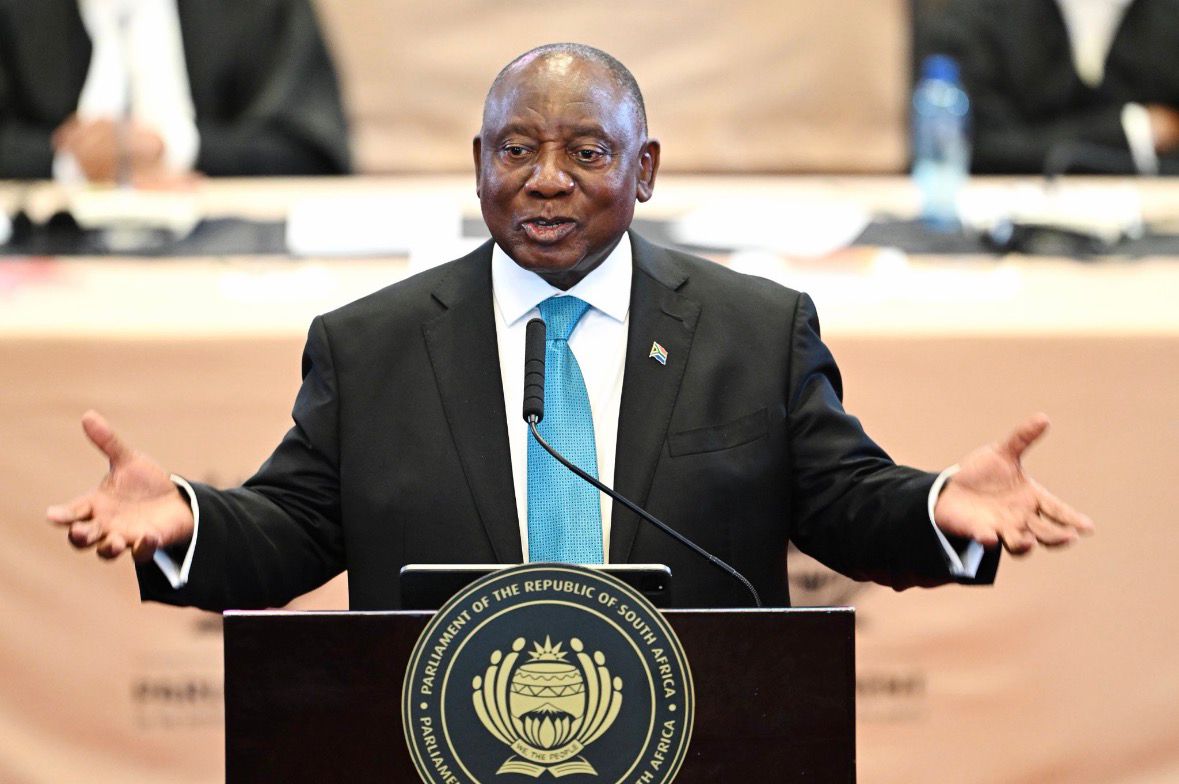
The Revised White Paper on Local Government (WPLG) has drawn mixed reactions, with some welcoming the proposed reforms as an opportunity to rebuild and transform local government, while others warn they could have serious consequences for communities and municipal administration.
President Cyril Ramaphosa officially launched the revised framework in Boksburg on Thursday, nearly three decades after the original White Paper on Local Government was adopted in 1998.
The policy framework sets out a roadmap to overhaul local government’s roles, responsibilities and functions through several reforms, including a differentiated funding approach, merit-based appointments and a compulsory licensing system for water and electricity providers.
Under the proposal, all water and electricity providers will be required to have licenses, effectively separating the authority responsible for the service from the entity providing it.
“Alongside stronger regulation of service provision through the licensing system, we are expanding support to municipalities to build their capability and improve their performance,” Ramaphosa said.
However, the proposed changes have drawn sharp criticism from the Forum for South Africa (Forum 4 SA), which warns that they could centralise power and limit elected municipal administrations’ ability to implement their election manifestos.
The civic organisation’s leader, Tebogo Mashilompane, questioned how municipalities would be able to govern effectively and provide essential services such as water and electricity if their authority were constrained.
“Municipalities are at the centre of local development, employment creation and service delivery. Water and electricity are among their most essential responsibilities. Any reform that limits municipal authority must be carefully scrutinised to ensure that communities do not suffer the consequences,” Mashilompane said.
-
 play_arrow
Revised White Paper on Local Government sparks division ahead of elections Realeboga Nke
Forum 4 SA demands that government hold meaningful public participation before the reviewed white paper reforms are implemented.
Ramaphosa, meanwhile, argued that a combination of support and regulation, respect for local government authority and a willingness to intervene where necessary could transform basic service delivery.
With less than two weeks to go before the 4 November Local Government Elections, the revised White Paper could reshape how municipalities deliver essential services and how key responsibilities are allocated across local government.
Ramaphosa said some responsibilities could be better handled at a regional level or through partnerships and concession arrangements where municipalities lack the capacity to perform them.
“Where a municipality is unable to carry out a particular responsibility, that responsibility should be assigned elsewhere. In many cases, service provision would be better undertaken at a regional scale, or through partnerships and concession arrangements,” Ramaphosa said.
-
play_arrow
Revised White Paper on Local Government sparks division ahead of elections Realeboga Nke
Ramaphosa said stronger financial management, improved revenue collection, reduced losses and more prudent spending would help municipalities become financially sustainable.
“Municipalities owe Eskom more than R120 billion, and many are in arrears to water boards. No single institutional or financing arrangement will work equally well in every setting. A metro, a growing secondary city and a rural municipality with a limited revenue base do not face the same conditions,” he said.
The South African Local Government Association (SALGA) has welcomed the launch, particularly the proposal for differentiated, fit-for-purpose local government system that aligns municipal powers and functions with their size, capacity and performance.
SALGA says the revised White Paper is a step in the right direction, citing plans to professionalise municipal administration, base appointments on competence and integrity, and improve financial sustainability.
The association’s Deputy President, Xola Pakati, said the success of the policy will be measured by whether it bears tangible fruit.
“We now have an opportunity to turn reform into results. Our task is to ensure that this White Paper does not remain a statement of intent but becomes a programme of action that people can see and experience where they live,” Pakati said.
The government has now turned its attention to the 90-day Local Government Transition Plan aimed at translating the policy framework into practical measures.
Meanwhile, Cooperative Governance Minister, Velenkosini Hlabisa, said the plan would outline immediate priorities, responsibilities and timelines, while establishing multisectoral workstreams to drive implementation across local government.
Hlabisa said the plan would also support the induction of newly elected councillors and align municipal planning, budgeting and performance management with the objectives of the revised policy framework.
[WATCH] President @CyrilRamaphosa outlines how the Revised White Paper on Local Government will strengthen the regulation of water and electricity services while expanding support to municipalities to improve their capacity and performance.
Speaking at the Birchwood Hotel & OR Tambo Conference Centre in Ekurhuleni, Gauteng, the President highlighted the District Development Model as a means of bringing national and provincial government, municipalities, state-owned enterprises and local stakeholders together around shared priorities to improve service delivery.
— The Presidency 🇿🇦 (@PresidencyZA) October 22, 2026
Similar posts

Current show
Upcoming shows
Latest posts
LATEST NEWS

Gauteng urged to keep cool amid scorching heat

Pietersen wary of strong Cardiff outfit

Baby Nikita trial | Eldorado Park man accused of her killing blames drugs for his actions, seeks leniency
Revised White Paper on Local Government sparks division ahead of elections

YouthX by Nedbank Con Hill 21 November 26
SPOTLIGHT FEST