-
 play_arrow
Y WORLD Radio Station Y WORLD RADIO
music_note

‘I was raped while intoxicated and denied help by SAPS,’ survivor tells GBVF inquiry
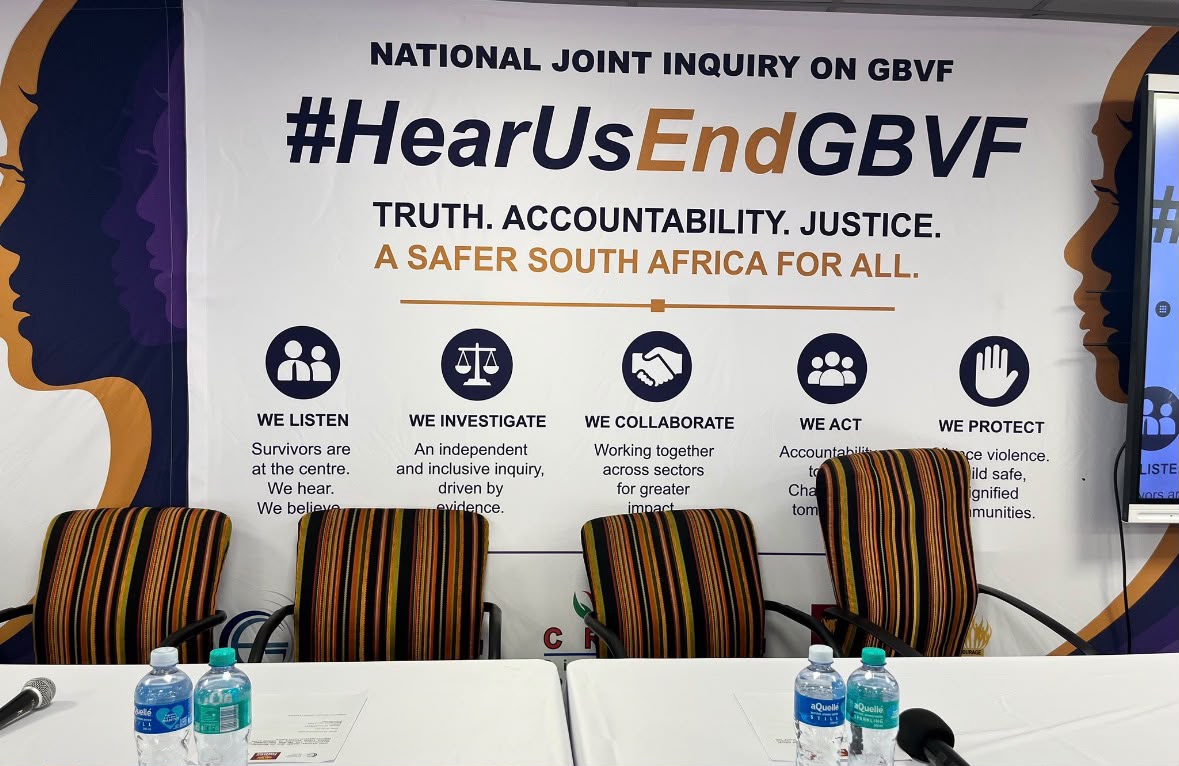
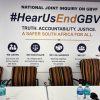
A survivor has told a joint Chapter 9 institutions inquiry into gender-based violence and femicide that she was denied assistance by the South African Police Service (SAPS) after allegedly being raped while under the influence of alcohol.
Her account is among several submissions highlighting alleged systemic failures in South Africa’s criminal justice system response to GBVF.
Speaking during the inquiry in Johannesburg, South African Human Rights Commission (SAHRC) representative, Thokozani Dladla, said survivors reported being turned away at police stations, subjected to insensitive questioning and left to follow up on their own cases.
Some were allegedly forced to persuade police officers to register complaints, track the progress of their cases, request docket reviews and effectively become their own case managers.
“The victims report, but cases die before trial due to poor investigation. They get told officers could not find the J88 at the hospital. Sometimes they are told the J88 or medical records cannot be given to the prosecution because there are not enough vans at the station,” said Dladla.
The inquiry comes amid renewed concern over gender-based violence following the discovery of 11 bodies in Ekurhuleni, with a suspect linked to one Thembisa murder arrested in Limpopo.
Survivors also reported being forced to wait in public passages alongside accused persons or being transported with them, contributing to what submissions described as secondary victimisation.
Meanwhile, NGOs told the inquiry they remain understaffed and under-resourced, with experienced workers often leaving for better-paying opportunities.
Dladla said one NGO chairperson told the commission: “I have dedicated people who are into fighting GBVF, but when they are offered more somewhere else, they leave.”
Submissions also highlighted barriers faced by learners in farming settlements and mining towns, including long distances and a lack of immediate reporting channels.
The Mordecai Ndlovu Foundation has called for the Department of Basic Education to provide the necessary resources to allow learners to report incidents more easily.
The inquiry has received submissions from several organisations, including the Centre for Child Law, Masimanyane Women’s Rights International, Bathopele NGO and Amnesty International, since submissions opened in July.
Dladla said more than 50,500 GBVF cases were reported to SAPS in 2025/26, while more than 30,700 resulted in arrests or referrals to the National Prosecuting Authority (NPA).
The inquiry also heard that the forensic DNA backlog has exceeded 140,000 cases, while prosecutors, SAPS’ Family Violence, Child Protection and Sexual Offences units, and the NPA’s sexual offences capacity remain under pressure.
Dladla said South Africa’s intimate-partner femicide rate stands at 5.5 per 100,000 women.
The three Chapter 9 institutions, including the SAHRC, Commission for Gender Equality and the CRL Rights Commission, are examining reporting of GBVF cases, victim support, investigations and pre-trial handling.
The inquiry is expected to later turn its focus to the broader criminal justice system and the handling of GBVF cases during trial proceedings.
“We also found that there is a backlog of at least 10 700 GBVF cases.” – Shuping
— SAHRCommission (@SAHRCommission) September 28, 2026
REMINDER
Joint National Inquiry on GBVF starts today pic.twitter.com/T47FPmPxGT
— SAHRCommission (@SAHRCommission) September 28, 2026
Government condemns the recent Gender Based Violence and Femicide (GBVF) cases and calls on all communities to work with law enforcement to fight the scourge of GBVF. pic.twitter.com/wLwbe4JzHF
— The DoJ & CD (@DOJCD_ZA) September 28, 2026
Current show
Upcoming shows
Latest posts

Conrad names preliminary Test squad to face Australia
Madlanga Commission | Khan faces criminal charges as Sindane WhatsApp evidence comes under scrutiny
‘I was raped while intoxicated and denied help by SAPS,’ survivor tells GBVF inquiry
Marshalltown residents demand answers as blackouts grip Joburg inner city
LATEST NEWS
Conrad names preliminary Test squad to face Australia
Madlanga Commission | Khan faces criminal charges as Sindane WhatsApp evidence comes under scrutiny
‘I was raped while intoxicated and denied help by SAPS,’ survivor tells GBVF inquiry
Marshalltown residents demand answers as blackouts grip Joburg inner city

SA townships turning into ‘war zones’ after deadly weekend of violence: ACF
SPOTLIGHT FEST