-
 play_arrow
Y WORLD Radio Station Y WORLD RADIO
music_note

Madlanga Commission | Extraordinary measures are needed to tackle state capture: World Bank expert
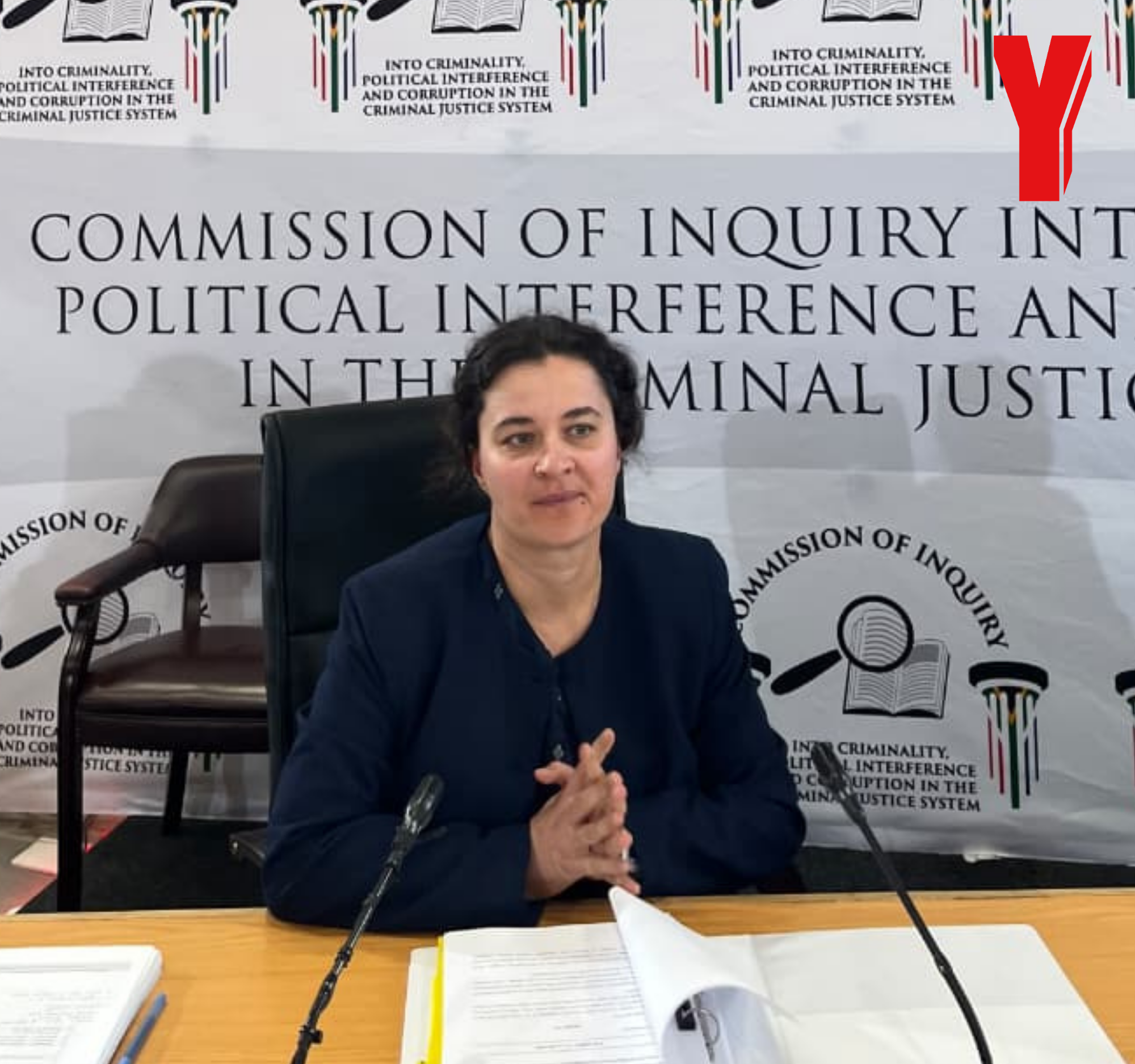
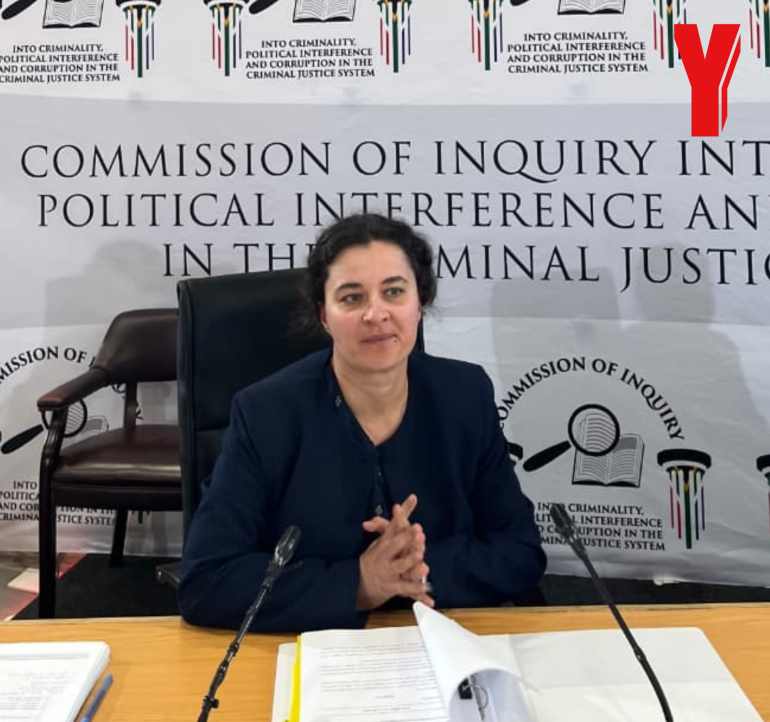
State capture and the infiltration of criminal justice institutions are not uniquely South African problems.
That’s according to World Bank Senior Financial Sector Specialist and Stolen Asset Recovery Initiative (StAR) member, Laura Pop, who says the phenomenon is playing out across the globe.
Pop was testifying at the Madlanga Commission of Inquiry on Wednesday, drawing on her work in anti-corruption, anti-money laundering and asset recovery programmes across several countries.
She told the Commission that countries often rely on familiar mechanisms when faced with serious allegations of corruption and institutional capture, including criminal investigations and existing oversight bodies.
However, Pop said those measures can fall short when the problem runs deeper.
-
 play_arrow
Madlanga Commission | Extraordinary measures are needed to tackle state capture: World Bank expert Nonhlanhla Harris
She said corruption and state capture can be compounded by slow investigations and institutional bottlenecks, creating a cycle that allows serious problems to persist.
Pop said extraordinary mechanisms may sometimes be necessary to restore public confidence, protect institutions and address individuals or systems implicated in wrongdoing.
But she cautioned that such interventions must strike a delicate balance, protecting institutional independence while remaining responsive to the public interest.
Pop said the credibility of any commission of inquiry is equally important, arguing that rigorous vetting processes can help establish public trust.
She said even the most effective practices can become meaningless if the institution applying them lacks independence and credibility.
In countries undergoing major restructuring, Pop said international experts are sometimes brought in to help minimise conflicts of interest and strengthen confidence in the process.
“How these individuals are selected, you know, what is their standing, etc. is very important. This is definitely one of the struggles in a number of countries. I would argue that they resorted to including intentional experts and that’s not because they love foreigners more than other people. But I think it has to do with how to ensure that the people that make decisions don’t have conflicts of interest or represent the will of the executive, etc,” Pop said.
Pop also outlined at least four decision-making models used across justice systems in countries including Albania, Ukraine and Kenya.
These include assessment bodies that vet candidates through competitive selection processes, as well as systems where judges and independent experts are carefully selected to serve on commissions or oversee specific areas such as financial integrity.
However, Pop said institutional reform must also consider what happens to officials facing allegations.
She said implicated public officials should not necessarily be allowed to continue operating in industries where their conduct is under scrutiny, but should still have a fair opportunity to earn a living elsewhere.
Pop said she was aware of cases where officials facing disciplinary proceedings had moved into different professional fields following investigations.
She said institutions need to be able to address alleged wrongdoing without creating a system that leaves individuals permanently unable to work.
-
play_arrow
Madlanga Commission | Extraordinary measures are needed to tackle state capture: World Bank expert Nonhlanhla Harris
For professionals entrusted with positions of responsibility on an acting capacity, Pop said integrity assessments should form part of the process.
She said successful assessments could potentially be linked to incentives such as salary increases.
Pop also flagged concerns about disciplinary processes that leave officials in limbo while investigations continue, sometimes preventing them from resigning or taking up other opportunities.
She said the legislative framework may ultimately need to be revisited to close these gaps.
For Pop, the challenge is to clean up compromised institutions without compromising fairness, while restoring public trust through accountability and credible, independent processes.
Written by: Odirile Rabalao

Current show
Upcoming shows
Latest posts
LATEST NEWS

Tatjana set to return to action
Madlanga Commission | Extraordinary measures are needed to tackle state capture: World Bank expert

Matlala Trial | Court allows State to use Kekana’s hospital notes in cross-examination

ANC to appeal Electoral Court ruling over 181 excluded candidates

Calls mount for Masemola’s reinstatement as national police boss
SPOTLIGHT FEST