-
 play_arrow
Y WORLD Radio Station Y WORLD RADIO
music_note

Madlanga Commission | Expert identifies loopholes in SA’s justice system
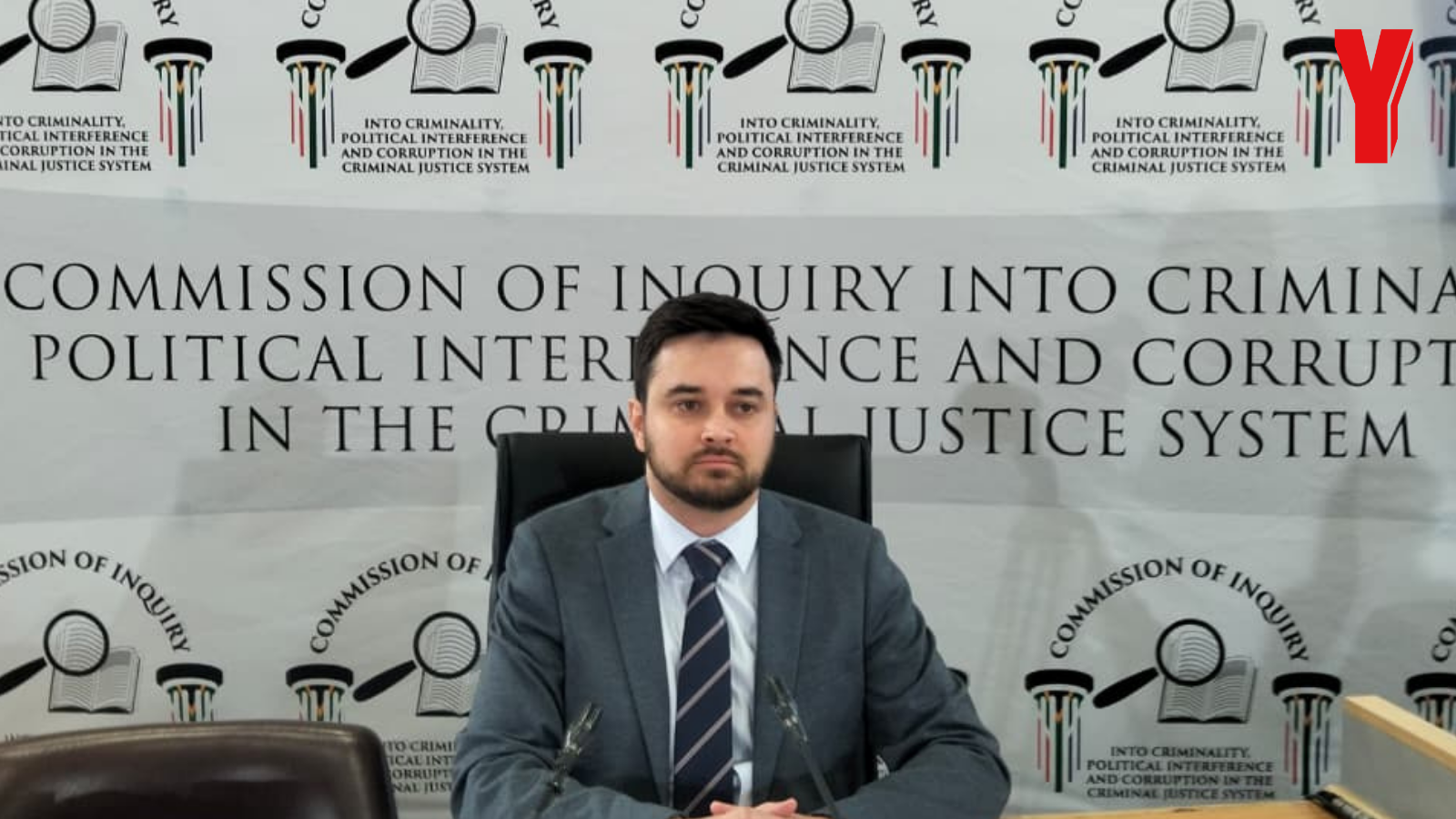
World Bank anti-corruption expert, Dr. Albertus Schoeman, has told the Madlanga Commission that there is a significant gap between South Africa’s anti-corruption framework on paper and how it is implemented in practice.
Schoeman testified at the commission on Thursday, sharing his assessment within the country’s criminal justice system.
He said Acting Police Minister, Professor Feroz Cachalia’s, recent appearance before Parliament’s Ad Hoc Committee highlighted that while numerous mechanisms exist to safeguard integrity in the public sector, their implementation remains inconsistent.
Schoeman explained that a lifestyle review is typically conducted by an ethics officer and compares an ‘officials’ declared assets and financial interests with their public income using financial disclosure forms.
A lifestyle investigation, he said, is more in-depth process in which investigations examine additional sources of information to determine whether an official had accumulated unexplained wealth from potentially illicit sources.
Schoeman testified that weaknesses in the financial disclosure system and broader institutional framework help explain why alleged misconduct and unexplained wealth among some SAPS officials may have gone undetected over the past five years.
He added that even when discrepancies, conflicts of interest or unexplained wealth are identified, the policy framework for imposing sanctions lacks sufficient force.
Schoeman said the decentralised approach to follow-up investigations creates opportunities for undue influence, capture and inconsistent consequence management, particularly where colleagues or senior officials may themselves be implicated.
He argued that delegating responsibility to individual departments results in inconsistent enforcement across the public service and weakens oversight of the country’s 42 national and 97 provincial departments.
Schoeman recommended that officials be subject to strict compliance deadlines for submitting financial disclosure forms to strengthen accountability.
“Overall sanctions should be proportionate the offense. Disciplinary action of fines might be more appropriate for minor offenses such as late disclosure while providing opportunities for offenders to offer explanations for late or non-submission,” says Schoeman.
Meanwhile, President Cyril Ramaphosa has extended the reporting deadline for the Madlanga Commission of Inquiry to allow it to complete its work.
The extension sets 2 October as the deadline for the completion of evidence and 16 November for the submission of the commission’s final report.
According to the Presidency, the additional time will enable the commission to conclude matters that emerged during the course of the hearings.
Presidency spokesperson, Vincent Magwenya, said the President appreciates the commission’s work and remains committed to ensuring it is able to fulfil its mandate.
-
 play_arrow
Madlanga Commission | Expert identifies loopholes in SA’s justice system Nonhlanhla Harris
Written by: Odirile Rabalao
Similar posts


Current show
Upcoming shows
Latest posts
LATEST NEWS

Gauteng urged to keep cool amid scorching heat

Pietersen wary of strong Cardiff outfit

Baby Nikita trial | Eldorado Park man accused of her killing blames drugs for his actions, seeks leniency
Revised White Paper on Local Government sparks division ahead of elections

YouthX by Nedbank Con Hill 21 November 26
SPOTLIGHT FEST