-
 play_arrow
Y WORLD Radio Station Y WORLD RADIO
music_note

Mpshe denies political interference in TRC cases
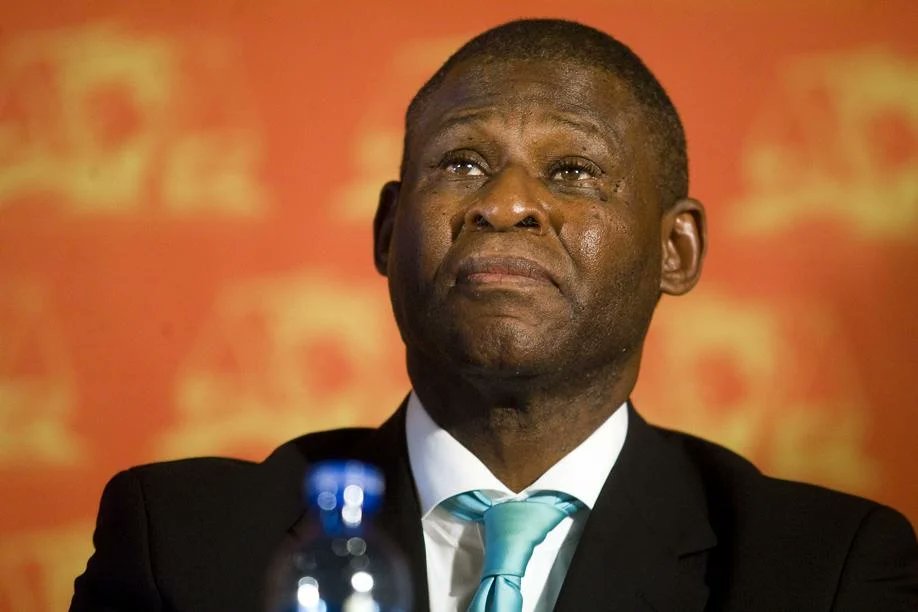
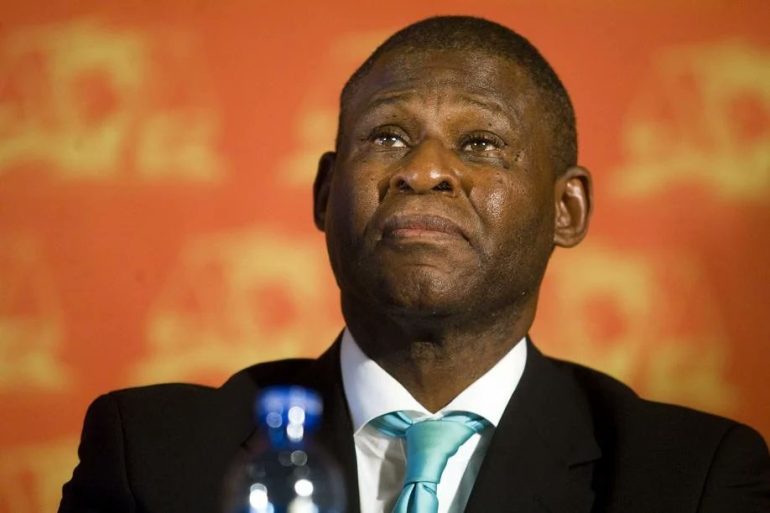
Former acting National Director of Public Prosecutions, Mokotedi Mpshe, has firmly rejected allegations that he interfered in apartheid-era prosecutions, telling the TRC cases inquiry that he neither suppressed cases nor acted on political instructions.
Testifying before the commission established by Cyril Ramaphosa on Tuesday, Mpshe instead painted a picture of institutional resistance, claiming he was compelled to step in only after law enforcement agencies failed to act on Truth and Reconciliation Commission-related matters.
-
 play_arrow
Mpshe denies political interference in TRC cases | By X9 Converter
The inquiry, which is probing allegations of political interference in the prosecution of apartheid-era crimes, has so far heard from at least 18 witnesses.
Mpshe told the commission that claims he removed former Priority Crimes Litigation head, Anton Ackerman, shortly after taking office were incorrect, insisting that any leadership changes occurred later and were not politically motivated.
He further explained that during his tenure, the Priority Crimes Litigation Unit, responsible for TRC-related matters, did not report directly to him, but to a special deputy, limiting his direct involvement in investigations.
However, Mpshe revealed that his intervention became unavoidable when key law enforcement bodies refused to cooperate.
According to his testimony, both the South African Police Service (SAPS) and intelligence structures at one point declined to investigate TRC cases, effectively stalling progress.
Mpshe said he escalated the matter to then National Police Commissioner, Jackie Selebi, in an attempt to unblock the investigations.
Despite this, he maintained that the prosecutorial process remained independent and that he did not interfere in how investigations were conducted.
-
play_arrow
Mpshe denies political interference in TRC cases | By X9 Converter
Previously, Ackerman told the inquiry that victims of apartheid-era atrocities are still owed justice, arguing that prosecutions should have followed the TRC process rather than ending at reconciliation.
The inquiry continues to examine whether political considerations influenced decisions not to prosecute apartheid-era crimes – a question that remains central to South Africa’s unfinished reckoning with its past.
@TRC_inquiry
Adv Mpshe says Adv Ackerman was relieved of his duties not for political reasons but due to acrimonious relationship with stakeholders especially a complaint letter from Rev Chikane on the handling of cases in the Priority Crime Litigation Unit.— TRC_inquiry (@TRC_inquiry) April 7, 2026
Written by: Lebohang Ndashe
Similar posts

Current show
Upcoming shows
Latest posts
LATEST NEWS

Gauteng urged to keep cool amid scorching heat
Pietersen wary of strong Cardiff outfit
Baby Nikita trial | Eldorado Park man accused of her killing blames drugs for his actions, seeks leniency
Revised White Paper on Local Government sparks division ahead of elections

YouthX by Nedbank Con Hill 21 November 26
SPOTLIGHT FEST