-
 play_arrow
Y WORLD Radio Station Y WORLD RADIO
music_note

Government probes ‘rotten egg’ smell across Gauteng
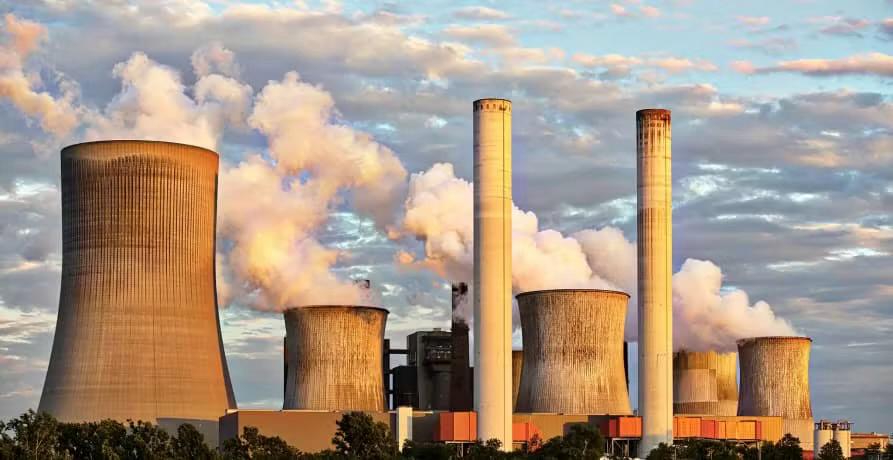
The Department of Forestry, Fisheries and the Environment says it is investigating reports of a “rotten egg” smell affecting several parts of Gauteng.
The department believes the sulphurous odour is most likely caused by hydrogen sulphide – a gas commonly produced during the breakdown of organic matter and certain industrial processes.
Residents in Johannesburg and Ekurhuleni have taken to social media to complain about the smell, with many describing it as particularly intense in the early hours of the morning.
Authorities warn that exposure to hydrogen sulphide, especially at higher concentrations, can cause irritation to the eyes and respiratory system, as well as dizziness, headaches and breathing difficulties.
The department says it is in the process classifying hydrogen sulphide as a criteria pollutant under the National Environmental Management: Air Quality Act. This move is expected to support long-term efforts to reduce emissions and limit public exposure.
Government anticipates that the legislative amendments will be finalised later this year, following the second round of public consultations.
Meanwhile, Johannesburg City Manager Dr Floyd Brink says the city has activated technical monitoring and investigation processes in response to residents’ complaints.
“It is important to note that the City of Johannesburg does not host major heavy industrial operations. All listed industrial facilities within the city are licensed and regularly monitored by the Environmental Management Inspectorate to ensure compliance with environmental legislation.
“As a precaution, residents are advised to remain indoors during periods of strong sulphur-like odours and to avoid strenuous outdoor activity. Vulnerable groups, including the elderly, children, and individuals with respiratory conditions, should be monitored for symptoms such as eye or throat irritation, headaches, dizziness, or fatigue,” Brind added.
Residents across parts of Joburg recently reported a strong sulphur-like smell in the air. City Manager Dr Floyd Brink says the City immediately activated air quality monitoring and investigations to identify the source.
⬇️ Read the full update:
🖱️ https://t.co/MVaAO7Wo8E… pic.twitter.com/z7qmUr3jMm— City of Joburg (@CityofJoburgZA) March 11, 2026
This is not the first time the province has experienced such an odour. In February 2022, a similar stench spread across parts of Gauteng, and Mpumalanga prompting government to tighten minimum emission standards and introduce hydrogen sulphide as a regulated air pollutant.
😷 It’s Friday the 13th, but don’t let a “mystery smell” be your bad luck charm.
STAY INDOORS where possible and skip the strenuous outdoor workouts. If you’re feeling dizzy or have itchy eyes, listen to your body. Watch out for the little ones and the elderly today.Read more:… pic.twitter.com/SeG3XFf2h8
— City of Joburg (@CityofJoburgZA) March 13, 2026
Is it just my area or Joburg is smelling again?
— Thendo Muloiwa (@MuloiwaThendo) March 10, 2026
Why the hell is Joburg smelling like that?
— SHABA (@iTshepo_) March 10, 2026
Similar posts

Current show
Upcoming shows
Latest posts
LATEST NEWS

Gauteng urged to keep cool amid scorching heat

Pietersen wary of strong Cardiff outfit

Baby Nikita trial | Eldorado Park man accused of her killing blames drugs for his actions, seeks leniency

Revised White Paper on Local Government sparks division ahead of elections

YouthX by Nedbank Con Hill 21 November 26
SPOTLIGHT FEST