-
 play_arrow
Y WORLD Radio Station Y WORLD RADIO
music_note

Ramaphosa says he asked Khampepe to step down as TRC inquiry chair amid bias concerns
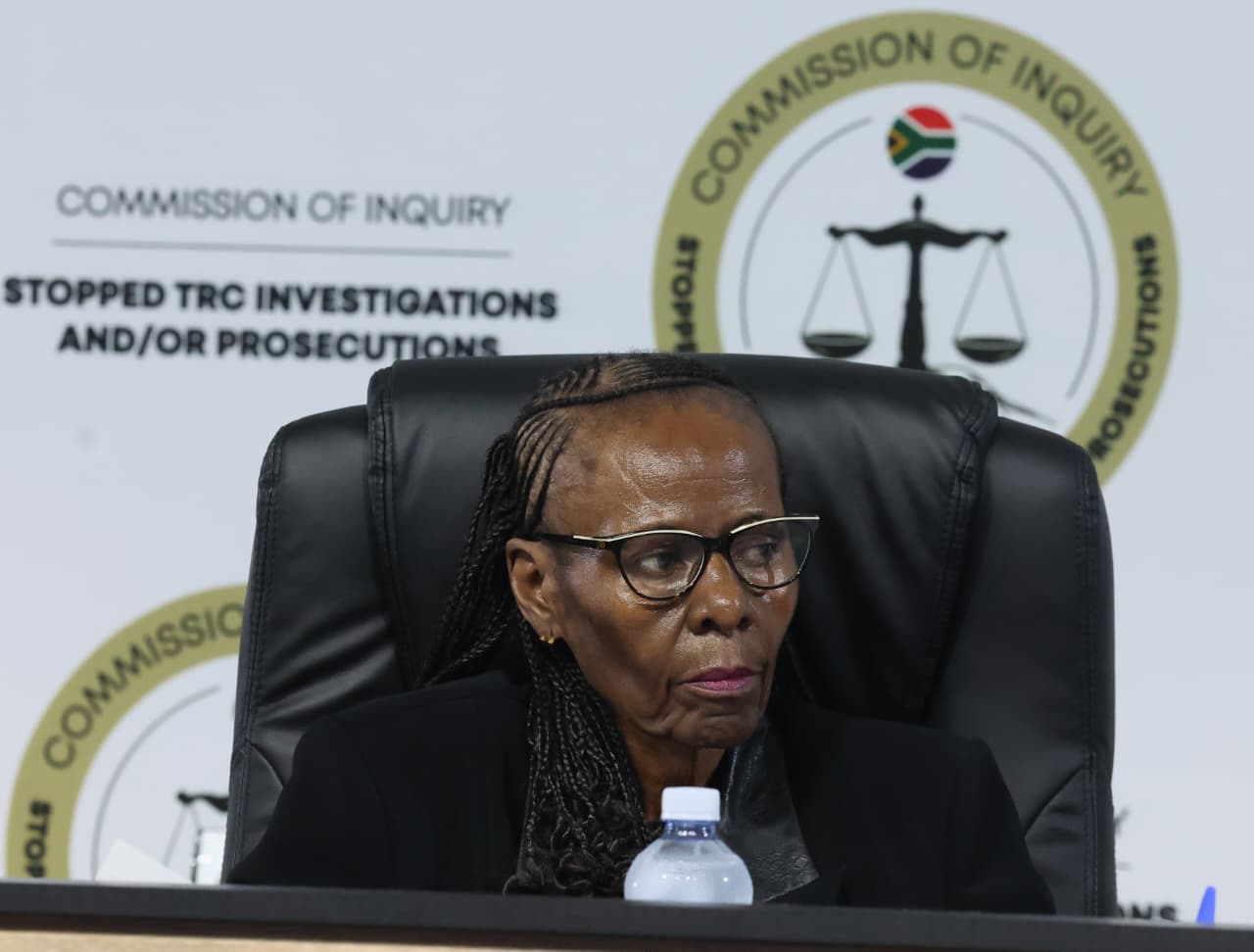
President Cyril Ramaphosa has revealed that he asked retired Constitutional Court Justice Sisi Khampepe to step down as chair of the inquiry into delayed apartheid-era prosecutions, in an effort to protect the credibility of the process.
In papers filed before the Constitutional Court of South Africa, Ramaphosa said the request was made through the Justice Minister to avoid criticism that the commission could not operate impartially or without perceived associations with parties involved.
However, Khampepe declined the request and will remain chair of the inquiry unless a court orders otherwise.
The development comes as the inquiry continues to hear explosive testimony on whether prosecutions linked to the Truth and Reconciliation Commission were delayed or obstructed after the end of apartheid.
Former Priority Crimes Litigation Unit head, Anton Ackermann, testified for a third day on Friday before the commission, detailing how political decisions, missing evidence and halted investigations may have affected attempts to prosecute apartheid-era crimes.
Testifying via video link from Cape Town, Ackermann told the commission that prosecutors previously examined whether leadership of the African National Congress could be prosecuted over armed-struggle activities linked to TRC matters, but ultimately found no legal basis to pursue such cases.
-
 play_arrow
Ramaphosa says he asked Khampepe to step down as TRC inquiry chair amid bias concerns | By X9 Converter
He told the inquiry that the National Prosecuting Authority (NPA) reviewed the available evidence and concluded the matter could not proceed.
According to Ackermann, once that decision was made, police dockets relating to the liberation movement were removed from the NPA’s office in Pretoria, effectively closing the matter.
The commission also heard allegations that a senior government minister intervened in an investigation connected to TRC cases.
While being questioned by legal counsel for the Calata and other families, Advocate Howard Varney, Ackermann was referred to an affidavit by former National Director of Public Prosecutions (NDPP) Vusi Pikoli.
The affidavit details a 2007 meeting of the Justice, Crime Prevention and Security Cabinet Committee where ministers and senior officials discussed investigations linked to TRC cases.
According to the affidavit, then Justice Minister Brigitte Mabandla instructed Pikoli to stop probing the alleged fabrication of a letter connected to Ackermann.
-
play_arrow
Ramaphosa says he asked Khampepe to step down as TRC inquiry chair amid bias concerns | By X9 Converter
The former Priority Crimes Litigation Unit head also told the commission that the investigation into the alleged forged letter was never completed and later prescribed.
He added that an internal memorandum later indicated that key files connected to the probe could not be located after the disbandment of the Scorpions in 2009.
Ackermann further revealed that his office computer was hacked after a forged document allegedly linked to him was discovered on the system. Investigators later traced the breach to a computer within the prosecution service network.
Meanwhile, former National Prosecuting Authority head Bulelani Ngcuka, is expected to return to the inquiry next week for cross-examination following his earlier testimony.
The controversy around the commission has intensified after former Presidents Jacob Zuma and Thabo Mbeki called for Khampepe to recuse herself, arguing that her previous involvement in decisions related to apartheid-era prosecutions could create a perception of bias.
The commission continues to examine how several apartheid-era atrocity cases were handled after the TRC process.
Written by: Lebohang Ndashe
Similar posts


Current show
Upcoming shows
Latest posts
LATEST NEWS

Gauteng urged to keep cool amid scorching heat

Pietersen wary of strong Cardiff outfit

Baby Nikita trial | Eldorado Park man accused of her killing blames drugs for his actions, seeks leniency
Revised White Paper on Local Government sparks division ahead of elections

YouthX by Nedbank Con Hill 21 November 26
SPOTLIGHT FEST