-
 play_arrow
Y WORLD Radio Station Y WORLD RADIO
music_note

2026 Elections | Election Day work arrangements under scrutiny
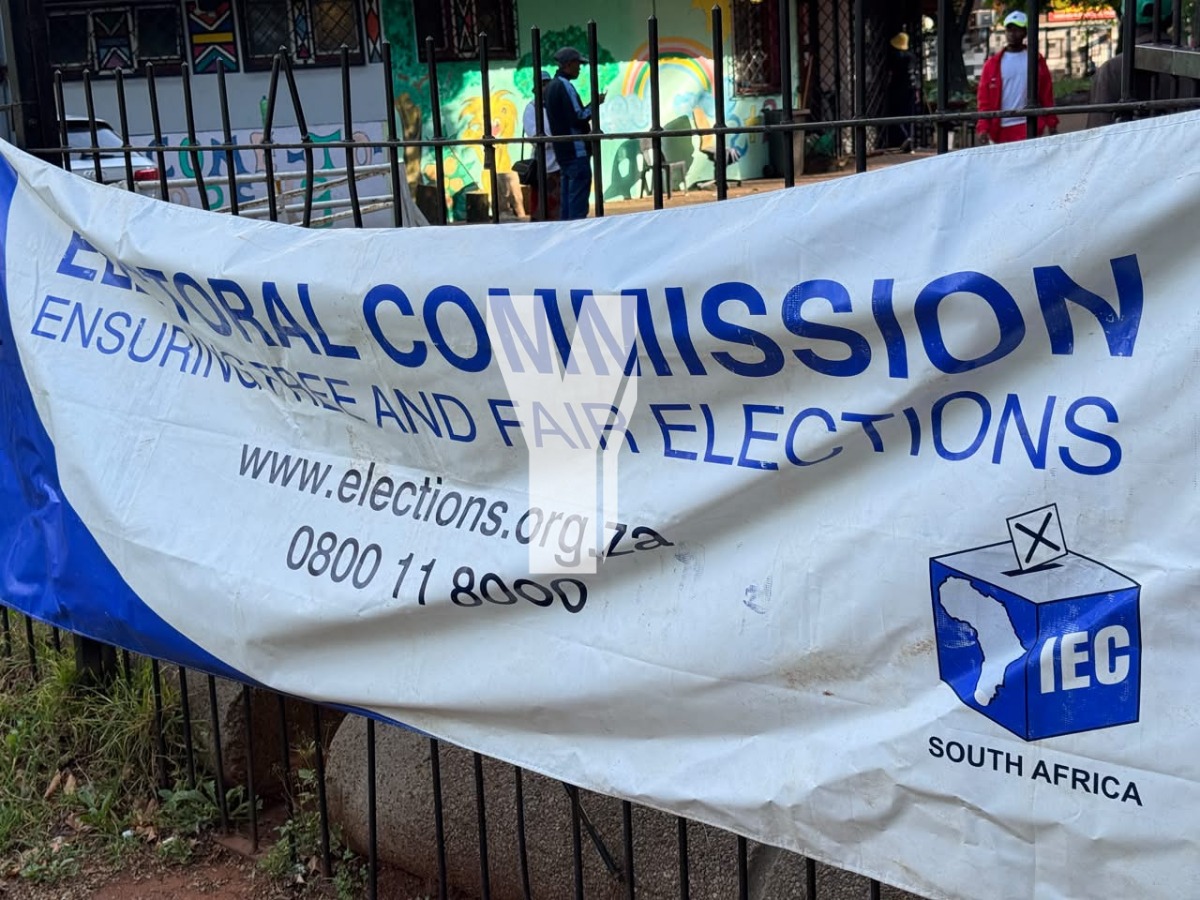
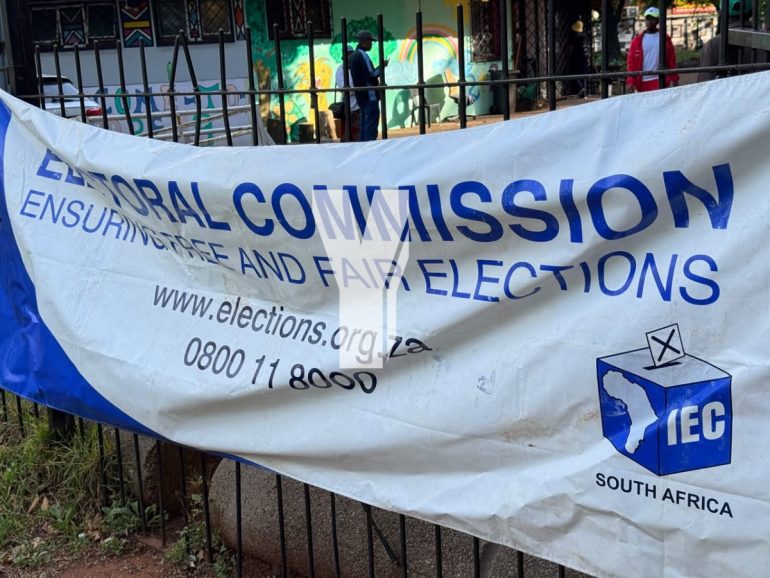
As calls grow for Election Day to be declared a non-trading public holiday, a legal and governance expert says South Africa must look beyond simply closing businesses and ensure workers have realistic opportunities to cast their ballots.
The Congress of South African Trade Unions (COSATU) has proposed extending voting hours and declaring future election days non-trading public holidays.
The trade union federation’s parliamentary coordinator, Matthew Parks, argues that millions of workers should not have to risk their wages or jobs to participate in the democratic process.
-
 play_arrow
2026 Elections | Election Day work arrangements under scrutiny Realeboga Nke
Legal expert, Leo Maphosa, says the right to vote must be considered alongside the realities of employment, working schedules and the daily struggle to earn a living.
Maphosa says constitutional rights do not simply fall away when an employee enters the workplace, and that employers may also be bound by constitutional rights where applicable.
However, he cautions that the law does not currently provide a universal entitlement to paid time off specifically for voting. The Basic Conditions of Employment Act (BCEA) regulates work on public holidays, but does not prescribe a standard allocation of paid voting hours for every employee.
Maphosa also points to Section 67 of the Municipal Electoral Act, which protects voters against being compelled not to vote or being unlawfully prevented from participating in an election.
He says employers, particularly large retailers, should consider practical arrangements that allow staff to reach the voting stations where they are registered.
“Take a supermarket cashier who needs probably two taxis to reach their registered voting station. Telling that person to vote during lunch may be entirely unrealistic. For municipal elections, the relevant station is where they are registered, not whichever station happens to be closest to the shopping centre. A large retailer should plan around those changes,” Maphosa explains.
-
play_arrow
2026 Elections | Election Day work arrangements under scrutiny Realeboga Nke
He says businesses could consider releasing employees in groups, adjusting shifts, allowing later start times or earlier finishes, depending on staffing requirements.
“A well-run business should be capable of planning for both its customers and its employees’ citizenship,” Maphosa said.
But the debate is not limited to formally employed workers. Maphosa says informal workers and self-employed traders face a different challenge altogether, as closing their businesses, even temporarily, could mean losing income needed to support their households.
He suggests practical support such as planned temporary closures, secure storage for stock, reliable transport information and arrangements coordinated through traders’ associations or market management.
Maphosa says essential services, including hospitals, emergency response, policing, water and electricity, must also continue operating during elections. He cautions, however, that ordinary retail businesses should not automatically be treated as essential services simply because they are busy.
Looking ahead, Maphosa believes special voting arrangements could help some employees and traders, urging them to apply to the Electoral Commission of South Africa (IEC) where possible.
He also supports considering a binding framework that would guarantee reasonable paid time for employees to vote, while allowing businesses to make workable staffing arrangements.
However, he stresses that this would be a proposed improvement to the current framework, rather than an existing universal entitlement under labour law.
The debate has gained momentum following the 2026 Local Government Elections, in which approximately 14.9 million of the 29.9 million registered voters cast their ballots.
The 52% turnout was an improvement on the 45.9% recorded in the 2021 Local Government Elections, but it has renewed questions about the barriers preventing some registered voters from participating.
Maphosa cautions that turnout figures alone cannot establish how many people stayed away because of work commitments, saying that more evidence would be needed to understand the role played by employment pressures.
Ultimately, he argues that any proposed changes must account for the different realities facing people across the economy.
“Democracy needs lawful economic activity to continue, but it also needs every eligible citizen to have a genuine route to the ballot,” Maphosa added.
We actually need to hold businesses accountable because why TF were retail workers, waiters etc told to clock in to work in numbers during Election Day??! Why werent they given a half day etc?! #LGE2026
— SandiSide (@Sandiside) November 4, 2026
Retail workers were working on a voting day.
— Kagisho Christopher 🇿🇦 (@kagisolive) November 5, 2026
@PortiaN3425 @ValenteezyM @HeidiGiokos @ThembiMrototo @SABCNews_TV Retail has shift the morning shift can vote after knocking off and the afternoon shit csn vote in the morning
You can even apply for special vote you will be at work in election day
— IG:@Cliff_Mampz 🇿🇦 (@Cliff_Mampz) November 4, 2026
Current show
Upcoming shows
Latest posts
LATEST NEWS

Rassie opts for consistency for French blockbuster

2026 Elections | Joburg residents demand action and accountability

Madlanga Commission | Matlala’s R50k claim and failed plea deal take centre stage
2026 Elections | Election Day work arrangements under scrutiny
2026 Elections | Municipal polls send a warning shot to parties ahead of 2029: Analyst
SPOTLIGHT FEST