-
 play_arrow
Y WORLD Radio Station Y WORLD RADIO
music_note

Madlanga Commission | Lebeya denies Big Five Cartel links
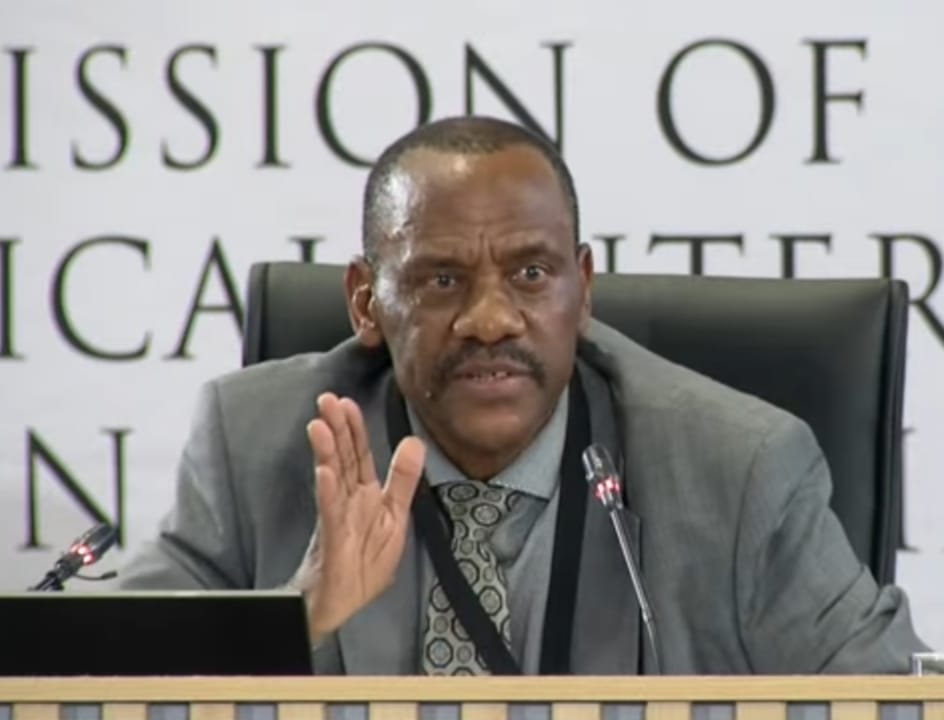
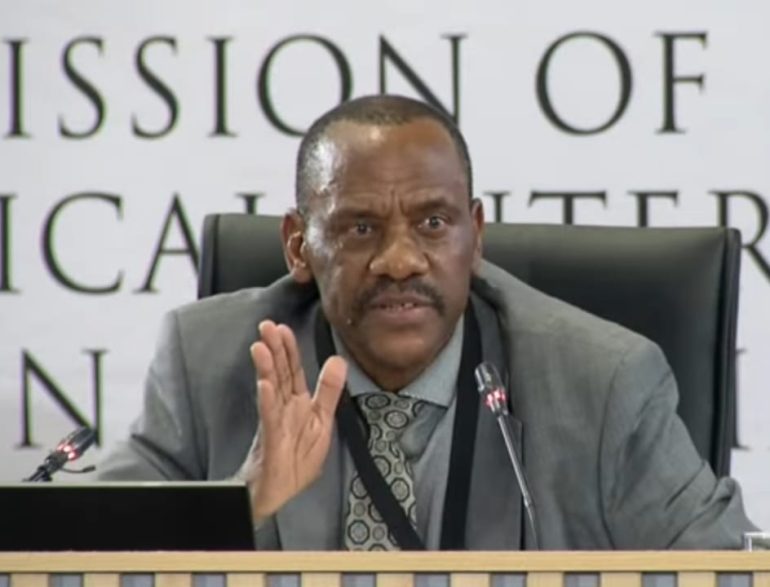
Former Directorate For Priority Crime Investigations (DPCI/Hawks) head, Dr Godfrey Lebeya, has distanced himself from an alleged organised crime network known as the Big Five Cartel.
Testifying before the Madlanga Commission of Inquiry on Wednesday, Lebeya said he was unaware of the alleged syndicate or its purported members until the matter was raised during the proceedings.
He maintained that he does not know, and has never met, alleged underworld kingpin, Katiso “KT” Molefe, late taxi boss, Jothan “Mswazi” Msibi, controversial businessmen, Steve Motsumi and Ze Nxumalo, alleged criminal, Ignatius Mothakatihi, or taxi industry associate, Andrew “Boy” Mthethwa, also known as “King Nyambose”.
This came under scrutiny because Lebeya headed the DPCI at a time when some of his subordinates, including former KwaZulu-Natal Hawks boss, Major-General Lesetja Senona, were allegedly interacting with people believed to be linked to the cartel and had described some of them as “dangerous”.
-
 play_arrow
Madlanga Commission | Lebeya denies Big Five Cartel links Nonhlanhla Harris
Lebeya did, however, confirm that he received a call from alleged fixer, Malcolm X, during a raid at Molefe’s Sandton residence on 6 December 2024.
He testifed that Malcolm X claimed the people carrying out the operation were impersonating Hawks officials, prompting him to deploy additional officers to establish whether the allegations were legitimate.
The revelation has raised questions about why Malcolm X would turn to Lebeya for assistance during the operation, particularly as Lebeya maintains that he was unaware of the alleged cartel and its associates.
The commission also heard that Lebeya previously told a media outlet that Malcolm X was a police informant, a claim Malcolm X denied in an interview with the same outlet.
Lebeya struggled to explain the circumstances surrounding the two interviews.
“I was clarifying, Commissioner, that in my media interview, I did not identify the specific person. I have indicated that we got this from an informant. My expectation was that we’ll not identify the individual so that when the commission starts, it might want to hear that in-camera,” said Lebeya.
The commission further heard that Malcolm X was arrested by the DPCI in October 2023 on allegations of extortion and corruption involving police officials.
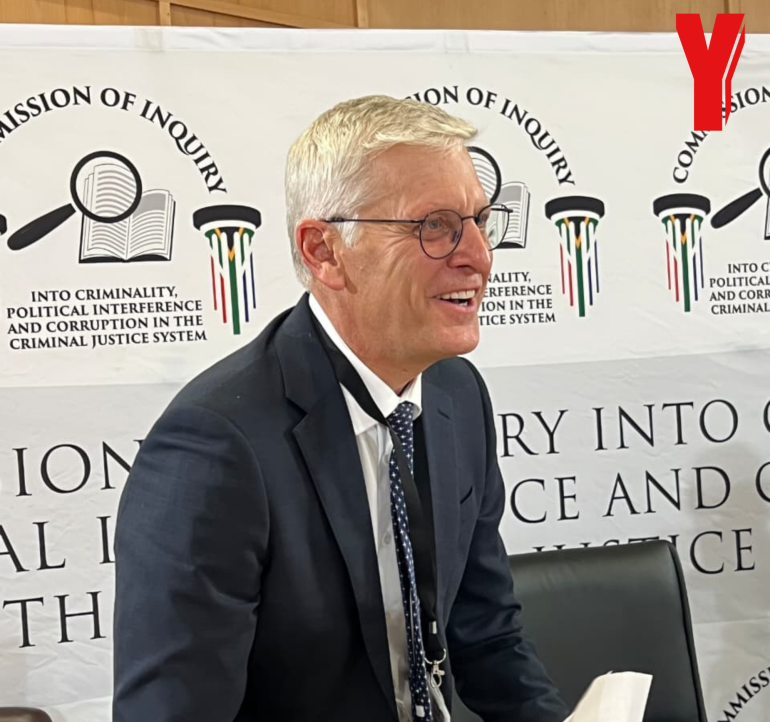
Meanwhile, Geneva-based Global Initiative Against Transnational Organized Crime Executive Director, Dr Mark Shaw, has painted a broader picture of the challenges confronting South Africa in its fight against organised crime.
Shaw told the commission that democratic countries such as South Africa can, contrary to popular belief, have resilient systems for confronting organised crime.
While acknowledging that South Africa is among the countries most affected by crime, Shaw argued that international crime data shows democracies can be more resilient than authoritarian states in responding to criminal networks.
He said resilience is partly driven by accountability and feedback mechanisms such as commissions of inquiry, investigative journalism and open public debate.
However, Shaw cautioned that the same openness can expose democracies to criminal infiltration, particularly when organised crime networks seek to infiltrate State institutions.
-
play_arrow
Madlanga Commission | Lebeya denies Big Five Cartel links Nonhlanhla Harris
Shaw described organised crime infiltration as an ongoing relationship between criminal organisations and the exercise of public power.
He stressed that this should not simply be treated as another form of corruption, arguing that its effects are broader, deeper and potentially more damaging to State institutions.
Reflecting on South Africa’s transition from apartheid, Shaw said the democratic project placed considerable emphasis on rebuilding the police service and restoring public confidence in law enforcement.
But he argued that insufficient attention had been given to preventing and dismantling organised crime networks seeking to infiltrate the State.
Shaw warned that the scale of the challenges facing South Africa’s criminal justice system means isolated or piecemeal reforms are unlikely to deliver lasting results.
Instead, he called for a comprehensive package of short-, medium- and long-term interventions aimed at preventing and reversing criminal penetration of State institutions.
Among his immediate recommendations, Shaw called for the swift and lawful appointment of suitably qualified senior officials across the criminal justice system.
“The commission should recommend the prompt and lawful appointment of suitably qualified persons to fill every vacant post in current institutions in a transparent and properly gated appointment process.
“I also think it speaks to the pace of reform that when you look at the cases we considered earlier, particularly the shocks that comes to the system when it comes to a vetting process, where people may resign before being put to account. It is very important strengthen and establish the current institutions that we have while beginning the process of change,” said Dr. Shaw.
He also proposed the creation of an Organised Crime Council to provide high-level oversight, coordination and strategic direction in the fight against criminal networks.
Shaw said the proposed council could monitor the police and prosecutorial response to organised crime, while ensuring that recommendations emerging from accountability mechanisms, including the Madlanga Commission, are properly implemented.
His recommendations place the spotlight not only on individual wrongdoing, but also on the need for deeper institutional reforms to prevent organised crime from gaining a foothold within the State’s machinery.
Written by: Odirile Rabalao

Current show
Upcoming shows
Latest posts
LATEST NEWS

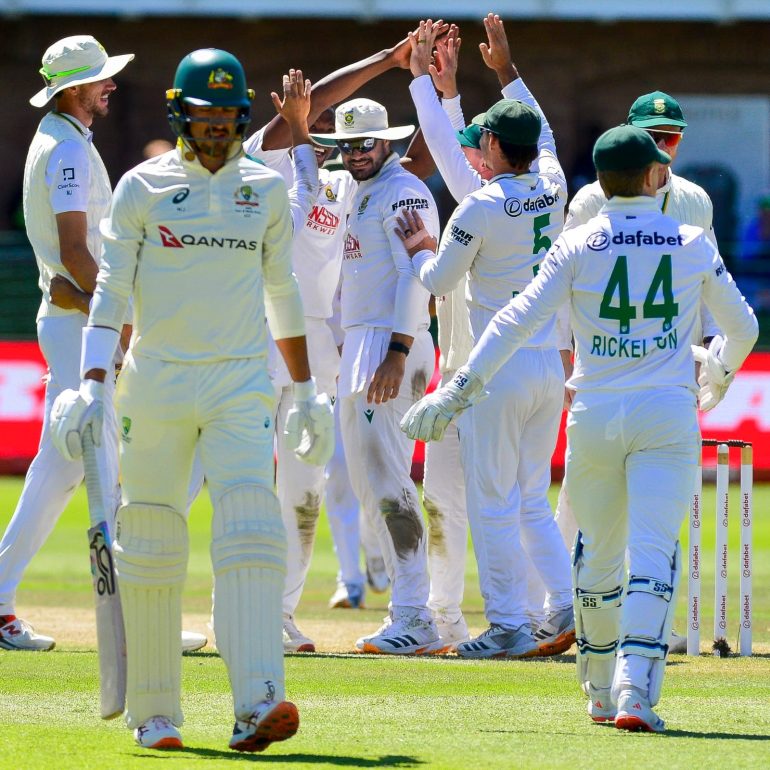
Proteas bowlers skittle out Aussies to level series

SA water safety under scrutiny as officials face criminal complaints

Baby Nikita’s father admits he intended to kill daughter in guilty plea

SANTACO holds off on taxi fare hikes as fuel levy cuts offer temporary relief

Cardoso bills Wiliete second leg tie as final
SPOTLIGHT FEST