-
 play_arrow
Y WORLD Radio Station Y WORLD RADIO
music_note

Ramaphosa warns of global economic impact as Middle East conflict deepens
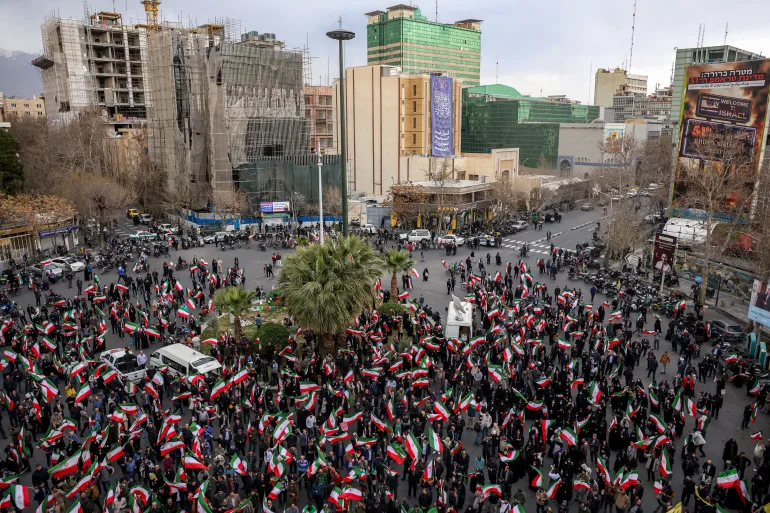
President Cyril Ramaphosa has reiterated his call for an immediate ceasefire in the Middle East, as escalating tensions between the United States, Israel and Iran continue to disrupt global oil markets and fuel economic uncertainty.
“It should lead to a negotiated settlement, and we are hopeful that there will be a negotiated settlement that will bring this nightmare to an end, and we want it sooner rather than later. In fact, we are calling for a ceasefire. An immediate ceasefire is what the whole world needs so that this horrible war can come to an end with immediate effect,” Ramaphosa said.
The President’s plea comes amid intensifying conflict centred around the Strait of Hormuz, a critical global oil route, after Iran rejected a proposed 45-day ceasefire put forward through Pakistan.
-
 play_arrow
Ramaphosa warns of global economic impact as Middle East conflict deepens Realeboga Nke
Instead, Tehran is calling for a permanent end to the conflict, including the lifting of sanctions and broader guarantees for regional stability.
Meanwhile, US President Donald Trump welcomed the idea of a temporary ceasefire but stopped short of committing, instead issuing a deadline for Iran to comply with Washington’s demands.
“This is a critical period. They have until tomorrow, Tuesday at eight o’clock. They asked for a 7-day extension. I gave them 10 days. We’ll see what happens. I can tell you they’re negotiating, I think in good faith, but we’re giving them until 8 pm Eastern Time. After that, they’ll have no bridges, no power plants, back to the Stone Age,” Trump warned.
-
play_arrow
Ramaphosa warns of global economic impact as Middle East conflict deepens Realeboga Nke
Airstrikes have since intensified across Iran, targeting key infrastructure including transport routes, an airport and energy facilities.
US forces also struck Kharg Island, Iran’s main oil export hub, raising fears of further disruption to global oil supply.
Iran responded by warning it would no longer restrain attacks on regional infrastructure, claiming responsibility for strikes on a vessel in the Gulf and a major Saudi petrochemical facility.
In a strongly worded post on his Truth Social on Tuesday, Trump warned that a “whole civilisation will die tonight”, further escalating tensions.
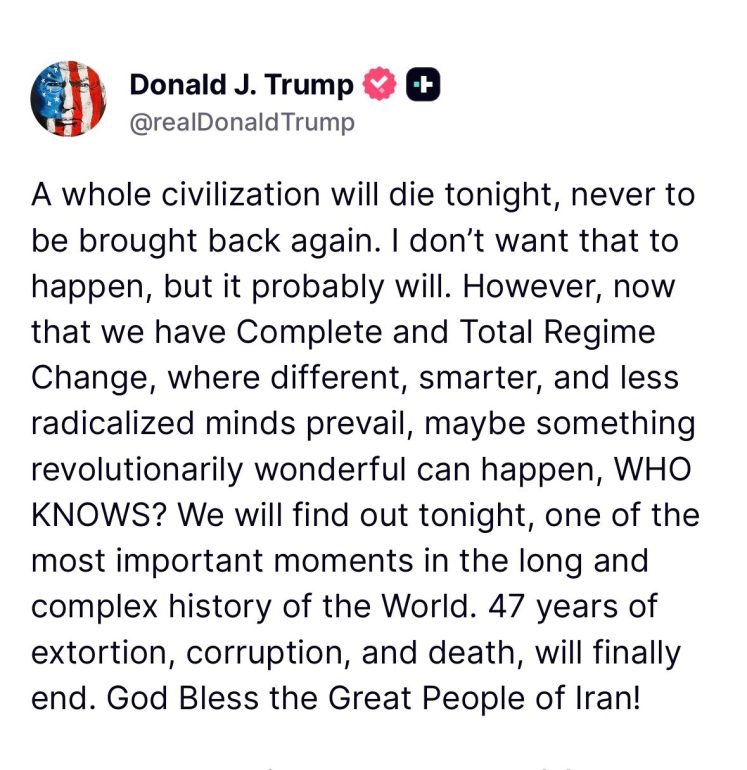
Iran’s Foreign Ministry spokesperson, Esmaeil Baqaei, dismissed the remarks, saying the country’s “civilised” principles and resolve would prevail.
The power of a “CIVILIZED” nation’s culture, logic, and faith in its righteous cause will undoubtedly prevail over the logic of brute force.
A nation that has every faith in the righteousness of its path shall harness all its capacities and capabilities to safeguard its rights…— Esmaeil Baqaei (@IRIMFA_SPOX) April 7, 2026
Meanwhile, South African Security analyst, Andy Mashaile, criticised the remarks describing them as dangerous and inflammatory.
“That statement is aimed at terrorising the people of Iran and the people of the world. We are in serious challenges now, those of us who are driving diesel cars, we are in pain because of that terroristic mindset. I am definitely sure that they are determined; they and Israel are determined to ensure that they control the Central Bank of Iran, control the oil.”
-
play_arrow
Ramaphosa warns of global economic impact as Middle East conflict deepens Realeboga Nke
The economic impact is already being felt globally, with oil prices surging and placing additional pressure on local fuel costs in South Africa.
Early projections from the Central Energy Fund suggest petrol prices could rise by between 43 and 47 cents per litre in May.
Diesel users may face even steeper increases, with under-recoveries pointing to potential hikes of more than R1.30 per litre.
In April, government introduced a temporary fuel levy reduction at a cost of about R6 billion to cushion consumers, but it remains unclear whether a similar intervention will be implemented for May.

Current show
Upcoming shows
Latest posts
LATEST NEWS
Matlala Trial | Judge dismisses Kekana lawyer’s objection over hospital security evidence

DIRCO clears High Commissioner over Zuma’s India trip
Mogashoa daughter says parents’ killers must “burn in hell”

Mosimane hoping second time’s a charm
Madlanga Commission | Khan’s health, Lebeya’s cocaine probe take centre stage.
SPOTLIGHT FEST