-
 play_arrow
Y WORLD Radio Station Y WORLD RADIO
music_note

Leaders call for respect of tradition ahead of initiation season
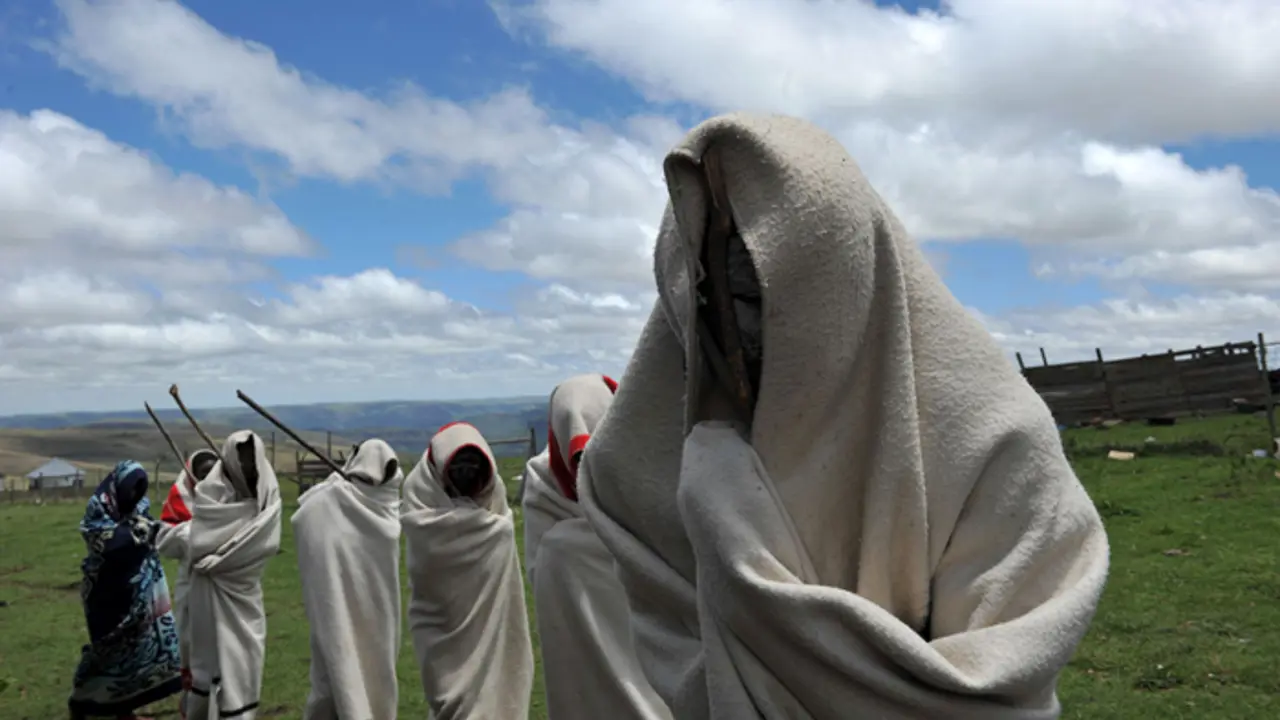
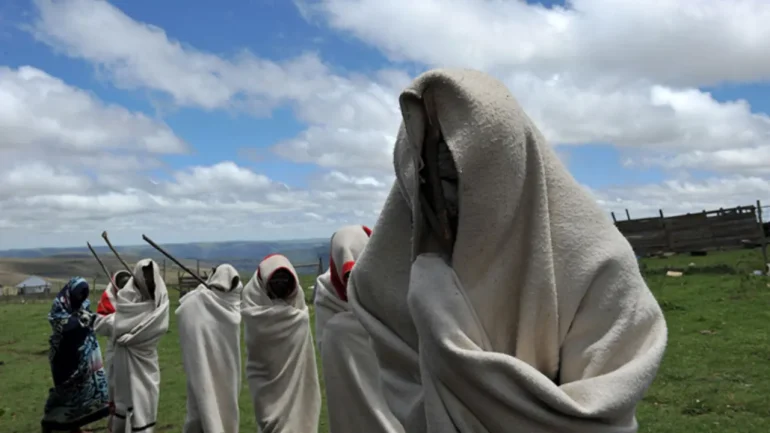
City of Tshwane Council Speaker, Mncedi Ndzwanana, says women should not be involved in the customary initiation processes for boys, arguing that such involvement goes against long-standing cultural traditions.
Speaking at the Customary Initiation Imbizo held at the Tshwane Council Chambers today, Ndzwanana addressed various stakeholders — including traditional leaders, medical practitioners, civic organisations, and government representatives — who gathered to discuss the way forward ahead of the summer initiation season, which begins in December.
Nzwanana acknowledged the evolution of society but insisted that customary law draws a clear line, stating that just as men are excluded from girls’ initiation rituals, women should likewise not be part of male initiation discussions.
His remarks came in response to a woman at the imbizo who raised concerns about boys attending initiation schools without their parents’ knowledge, and later returning home exhibiting behavioural issues — including alcohol abuse, which continues to trouble many families.
Nzwanana said in cases where a boy comes from a female-headed household, it is the responsibility of a designated chief or Nkosi to act as a father figure.
“That’s where the chief steps in and becomes a parent to that child. The king, as the father of the nation, must take responsibility for those who do not have parents,” he explained.
He encouraged mothers to approach their traditional leaders during regular community gatherings to request support with their sons’ initiation.
Meanwhile, Department of Cooperative Governance and Traditional Affairs spokesperson, Theo Nkonki, urged boys intending to attend initiation schools to inform their parents or guardians and not disappear without notice.
“Speak to your parents. Make sure you are over 16. Parents must then speak to the right people. The application process is clear. No child should rush off alone — that’s illegal, and we do not allow it,” said Nkonki.
He emphasised the importance of communication and following the official application process, noting that several boys in past years have gone missing, causing distress to their families.
Nkonki’s comments come amid growing concerns over the safety and regulation of initiation schools. Last year, two boys died during initiation, prompting public outcry and increased scrutiny of the practice.
Provincial Initiation Coordination Committee (PICC) Chairperson, Kgosi Kekana, reminded school leaders that they must comply with the Customary Initiation Act, or face consequences.
“The law is clear. If something illegal happens at your school, the PICC is authorised to take action,” Kekana warned.
He added that initiation school operators are encouraged to attend regular workshops and awareness campaigns to ensure they are running their institutions safely and in line with the law.
According to updated regulations in Gauteng, boys must be at least 16 years old to undergo initiation — and may only participate with written consent from their parents or legal guardians.
[UNDERWAY] : @CityTshwane Speaker of Council , Cllr Mncedi Ndzwanana acknowledging guests and welcoming all guests that attended today’s event. #TacklingG13 #GrowingGautengTogether pic.twitter.com/2db96VKeYA
— CoGTA (@GDCoGTA) September 9, 2025
Written by: Odirile Rabalao
Current show
Upcoming shows
Latest posts
LATEST NEWS

Madlanga Commission | Sindane’s postponement bid dismissed

YNews Election Build-up | Joburg voters weigh service delivery and political choices ahead of local elections

Blom joins Stellies on loan

Matlala rejoins main Medicare24 corruption case

ActionSA accuses DA of disenfranchising voters over PR list challenge
SPOTLIGHT FEST