-
 play_arrow
Y WORLD Radio Station Y WORLD RADIO
music_note

Bundu Inn residents dismiss Lesufi’s land promise as lip service
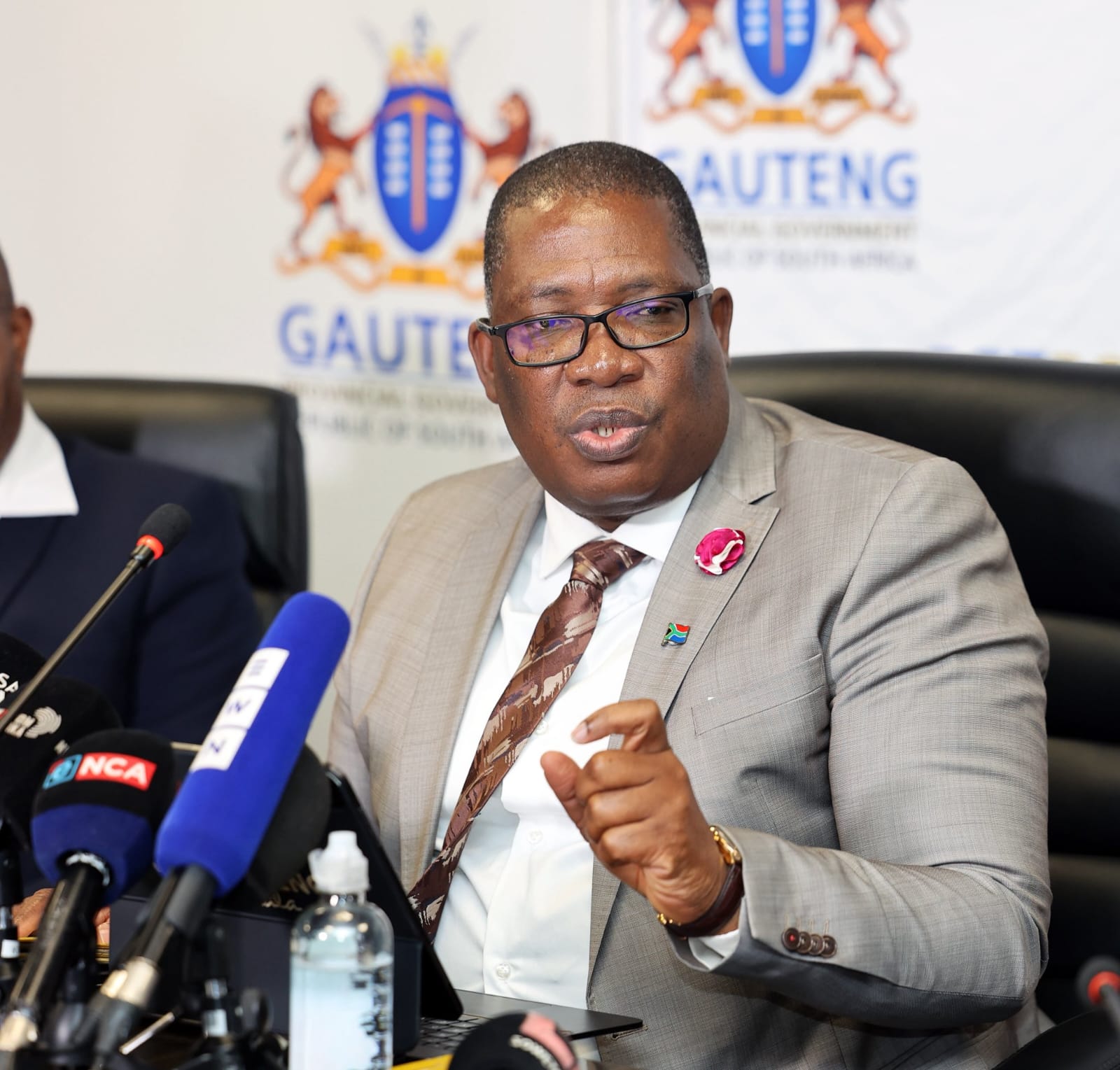

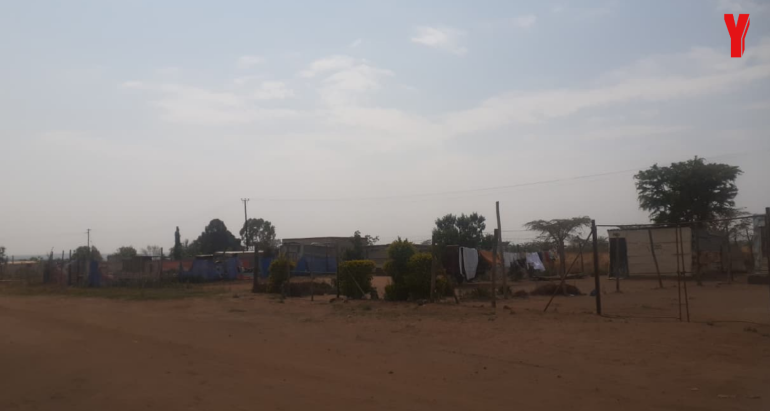
Residents of Bundu Inn informal settlement in Pretoria North have criticised Gauteng Premier, Panyaza Lesufi‘s, recent promise to allocate land to citizens, calling it impractical and dismissing it as lip service.
This follows Lesufi’s vow to demolish to demolish informal settlements across the province to make way for distribution, where eligible citizens would be allowed to build their own homes. He also proposed handing over incomplete RDP houses to those willing to finish construction using their own funds – a suggestion residents say is out of touch with their economic reality.
Bundu Inn is home to many people with little or no income, and several residents expressed deep skepticism and frustration with the government’s plans.
One resident told YNews, that they are already struggling to build their own home.
Another resident described the announcement as political theatre.
“It’s just an empty promise. It’s time for campaigns. They are politicians, so they have sweet tongues. It’s just their way of attracting voters.”
Some residents went further, accusing the government of neglecting their needs.
“Here at Bundu Inn, most people are unemployed and suffering. Since we came here three years ago, not one promise has been fulfilled. We struggle with electricity and water. They just left us here to figure things out on our own,” said one resident.
She also condemned the high levels of crime in the area and urged authorities to focus on protecting women and children, whom she says are increasingly at risk. She criticised government’s job creation strategies, arguing that short-term employment contracts do little to provide sustainable livelihoods.
Premier Lesufi’s remarks have also drawn criticism from civil society.
The Socio-Economic Rights Institute (SERI) has challenged his justification for dismantling informal settlements. Lesufi claimed that most informal settlements are established by crime syndicates and are primarily occupied by undocumented immigrants — statements SERI described as factually misaligned and lacking in evidence.
SERI pointed to data from the Gauteng City Region Observatory, which shows that at least 81% of informal settlement residents are South African citizens.
A researcher at the organisation, Thato Masiangoako, told YNews, that informal settlements are not driven by criminality but by unemployment, poverty, and inequality.
-
 play_arrow
Bundu Inn residents dismiss Lesufi’s land promise as lip service Nonhlanhla Harris
She said the housing crisis in South Africa can only be addressed through proactive urban planning and condemned any attempt to evict residents without a court order as a violation of the Constitution.
Meanwhile, the South African Human Rights Commission (SAHRC) has echoed SERI’s concerns. Spokesperson, Wisani Baloyi, said the planned evictions could expose vulnerable families to trauma, displacement, and danger.
Written by: Odirile Rabalao


Current show
Upcoming shows
Latest posts
LATEST NEWS

Proteas face mountain in Test against Australia

Alleged pastor’s rape, infant murder case postponed

A record 200,000 Gauteng candidates set to write matric exams amid high-tech cheating fears

‘Baby Nikita’ murder trial delayed again as court prioritises other case

Shadrack Sibiya resigns from SAPS amid disciplinary proceedings
SPOTLIGHT FEST