-
 play_arrow
Y WORLD Radio Station Y WORLD RADIO
music_note

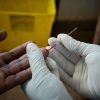
Experts call for educational drives to tackle HIV stigma among youth

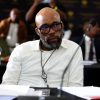
Youth-led health movement #Keready’s leader, Dr Katlego Selikane, has emphasised the urgent need for comprehensive education to help dismantle the stigma surrounding HIV/AIDS, particularly among young people and females.
Selikane was responding to the findings of the latest UNAIDS and SANAC Global AIDS Report, which was launched on Thursday at Bertha Gxowa Hospital in Germiston, in Ekurhuleni.
The report revealed that in 2024, 630 000 people died from AIDS-related causes – 61% of them in sub-Saharan Africa. During the same period, over 210 000 adolescent girls and young women aged 15—24 acquired HIV, an average of 570 new infections every day.
This report comes as concerns mount over the continents ability to effectively combat the spread of the disease following the unexpected decision by US President, Donald Trump, to cut the HIV/Aids funding around the world earlier this year.
Selikane says these numbers are very concerning and speak to a problem that needs to be addressed urgently.
“And what we can read from these stats is that we still have a large number of people passing away from AIDS-related causes, which means that either they have not been managed on time, so they didn’t get on treatment on time, and they were not virally suppressed, and that is one of the biggest strategies.
The young medical expert says these figures highlight the need of promoting a culture of testing, among young people in South Africa, as the country is lagging behind when compared to its sister countries on the continent.
“We need to see more of a push for teen and youth focused communications campaigns such as what Get Ready, Love Life and Be Wise are doing where they’re providing continuous reliable information that allow young people to make informed health choices.
“Education should always be in the forefront. When you give a young person the opportunity and the tools to understand how to take care of themselves they are more likely to do so.”
-
 play_arrow
Experts call for educational drives to tackle HIV stigma among youth Nokwazi Qumbisa
UNAids executive director, Winnie Byanyima, called for an all hands on deck approach to ensure that the gains achieved fighting against HIV/AIDS are not undone.
The 2025 report revealed that if necessary steps aren’t taken, there could be an additional six million new HIV infections and four million AIDS-related deaths by 2029.
In 2024, new HIV infections were at their lowest since the mid-1980s—thanks to global cooperation.
My message to the rich countries: maintain the aid.
But aid is just one resource flow – we must unlock the billions that developing countries are losing through tax dodging and… https://t.co/Wzrbuxn44A pic.twitter.com/BtY5VrraHj
— Winnie Byanyima (@Winnie_Byanyima) July 11, 2025
The report by UNAIDS comes just days after the Minister of Health Health Dr Aaron Motsoaledi, revealed that National Treasury has allocated just over R750 million to the Department.
Treatment Action Campaign (TAC) Gauteng chairperson, Monwabisi Mbasa, says despite the negative impact the cut on US AID has had on South Africa, government has continued to fund HIV/AIDS and TB programmes, including the procurement of ARVs.
However, he says, the impact of the funds being cut resulted in 15 000 of healthcare workers being sacked, effectively depleting the capacity to respond to this pandemic.
Mbasa has appealed to government to prioritise additional funds that will fund programmes and services in healthcare instead of a bloated wage bill.
The AIDS Healthcare Foundation (AHF) which is the world’s largest non-profit HIV/AIDS healthcare provider, says it has also noticed that young women and girls are disproportionately affected by HIV, especially between the ages of
20–24, HIV prevalence is 15.6% for females, compared to 4.8% for males.
The foundation says last year it conducted 561,930 HIV tests, recording a zero-positivity rate of 2.30%.
This year in May 215,376 tests had already been completed, with a slightly lower zero-positivity rate of 2.10%.
In a bid to address the high number of infections among the youth, AHF has launched programs targeting young people.
Weighing in on the findings of the UNAIDS report, Progressive Health Forum, National Convenor Dr Aslam Dasoo, says these outcomes speak to the findings of the June report by the Lancet medical journal.
The Lancet report revealed that Trump’s move to cut most of the US funding towards foreign humanitarian aid could cause more than 14 million additional deaths by 2030.
https://www.thelancet.com/journals/lancet/article/PIIS0140-6736(25)01186-9/fulltext
Dr Dasoo says Trump’s decision has already had negative impact on the various life healthcare programmes, which filled the gaps with the country’s healthcare system.
He has, however, questioned why government relied heavily on international donors.
“The US donor funding amounted to R8-9 Billion per annum. With a public healthcare budget of R260 billion, it is not unreasonable to ask why SA even has a need for donor funding and exposing the population to the risk of such funding being terminated, without any plans to absorb the hundreds of thousands of people with life-threatening illness who are suddenly without care. SA is not alone in feeling the shock of the cuts in Africa, but, of all African countries, it was and is best-suited to avoid dependence on donor funding. This is, in the end, like so much else in the state, a crisis of negligent governance in the first place.”
The findings also revealed that as of December 2024, seven countries – Botswana, Eswatini, Lesotho, Namibia, Rwanda, Zambia, and Zimbabwe had achieved UNAids’ 95-95-95 targets, which are aimed at ending the Aids epidemic by 2030.
Achieving the targets mean that 95% of people living with HIV in the above cited countries know their status, 95% of them are on treatment, and 95% of those on treatment have a very low or undetectable level of the virus in their blood.

Current show
Upcoming shows
Latest posts
LATEST NEWS

Madlanga Commission | Sindane’s postponement bid dismissed
YNews Election Build-up | Joburg voters weigh service delivery and political choices ahead of local elections

Blom joins Stellies on loan
Matlala rejoins main Medicare24 corruption case

ActionSA accuses DA of disenfranchising voters over PR list challenge
SPOTLIGHT FEST