-
 play_arrow
Y WORLD Radio Station Y WORLD RADIO
music_note

Economists divided over interest rate outlook after inflation surge
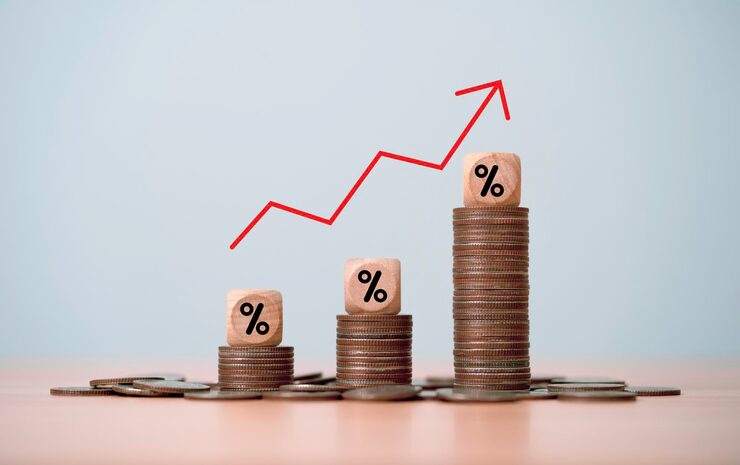
South African consumers are facing renewed pressure on their pockets after headline inflation surged to 5.2% in October, its highest level in almost two-and-a-half years.
Statistics South Africa’s latest Consumer Price Index shows inflation rose from 4.5% in September, with prices increasing by 0.7% over the month.
Chief Director for Price Statistics, Partick Kelly, says the sharp increase was largely driven by transport costs, as fuel prices recorded a significant jump amid rising international oil prices and a weaker rand.
Annual transport inflation surged to 15.2% in October, contributing 2.1 percentage points to the overall inflation rate.
Fuel prices increased by a staggering 11.8% between September and October, pushing annual fuel inflation to 42.9%, up from 27.9% the previous month.
Kelly says this is the highest level since August 2022.
-
 play_arrow
Economists divided over interest rate outlook after inflation surge Realeboga Nke
#SAInflation || Transport was the largest contributor to consumer inflation in October.
Read more here: https://t.co/lBH18z1VRQ
#StatsSA #KnowYourStatsZA #CPI #GovZAUpdates https://t.co/2XlaYEohkG
— Statistics South Africa (Stats SA) (@StatsSA) November 18, 2026
Independent economic analyst, Professor Bonke Dumisa, says the latest inflation figures are disappointing but not unexpected, given the surge in international oil prices amid the conflict involving the United States, Israel and Iran.
Dumisa argues that the sharp increases in petrol and diesel prices were driven by international developments and should not be blamed on the African National Congress (ANC) or President Cyril Ramaphosa.
“Headline Inflation at 5.2% in October 2026 from 4.5% in September is very disappointing, but not unexpected because that was at the height of US President Trump’s and Israeli Prime Minister Benjamin Netanyahu’s continued, totally unjustified, unwinnable war on Iran, which pushed up international Brent crude oil prices to unacceptably high levels,” Dumisa said.
He expects the South African Reserve Bank’s Monetary Policy Committee to respond to the inflationary pressure on Thursday by increasing the repo rate from its current 7.25%.
Such a move would push the prime lending rate above 10.75%, potentially adding further pressure on households already struggling with the cost of living.
However, economist Dawie Roodt, has taken a more cautious view, arguing that the latest inflation reading is unlikely to trigger an immediate interest-rate increase.
Roodt says the 5.2% figure was largely in line with expectations, although slightly higher than he had anticipated.
“The main driver behind that obviously has to do with the increase in the oil price and, of course, the slightly weaker currency, leading to an increase in fuel prices in South Africa,” he said.
-
play_arrow
Economists divided over interest rate outlook after inflation surge Realeboga Nke
He says he expects inflation to remain around current levels for the next three to four months before gradually declining.
Roodt says the longer-term outlook is more encouraging, particularly if tensions in the Middle East ease and international oil prices begin to fall.
“I think we’re probably closer to some sort of agreement in the Middle East that the oil price is likely to remain at these levels or come down quite substantially,” he added.
The MPC decides to increase the policy rate by 25 basis points, with effect from 25 September. The decision was unanimous. #SARBMPCSEP2026 https://t.co/u2pKOtRUtT
— SA Reserve Bank (@SAReserveBank) September 23, 2026

Current show
Upcoming shows
Latest posts
Economists divided over interest rate outlook after inflation surge

Senzo Meyiwa Trial | SAPS witness casts doubt on Zungu’s 24-hour vehicle allocation

More than 500 Ethiopians held at Lindela as Home Affairs struggles to secure deportations

Soweto counts the cost of devastating floods as search for missing girl continues
LATEST NEWS
Economists divided over interest rate outlook after inflation surge
Senzo Meyiwa Trial | SAPS witness casts doubt on Zungu’s 24-hour vehicle allocation
More than 500 Ethiopians held at Lindela as Home Affairs struggles to secure deportations
Soweto counts the cost of devastating floods as search for missing girl continues

SA Rugby calls for misconduct hearing over Rassie’s latest ban
SPOTLIGHT FEST