-
 play_arrow
Y WORLD Radio Station Y WORLD RADIO
music_note

Madlanga Commission | Chaskalson flags gaps in classified information safeguards
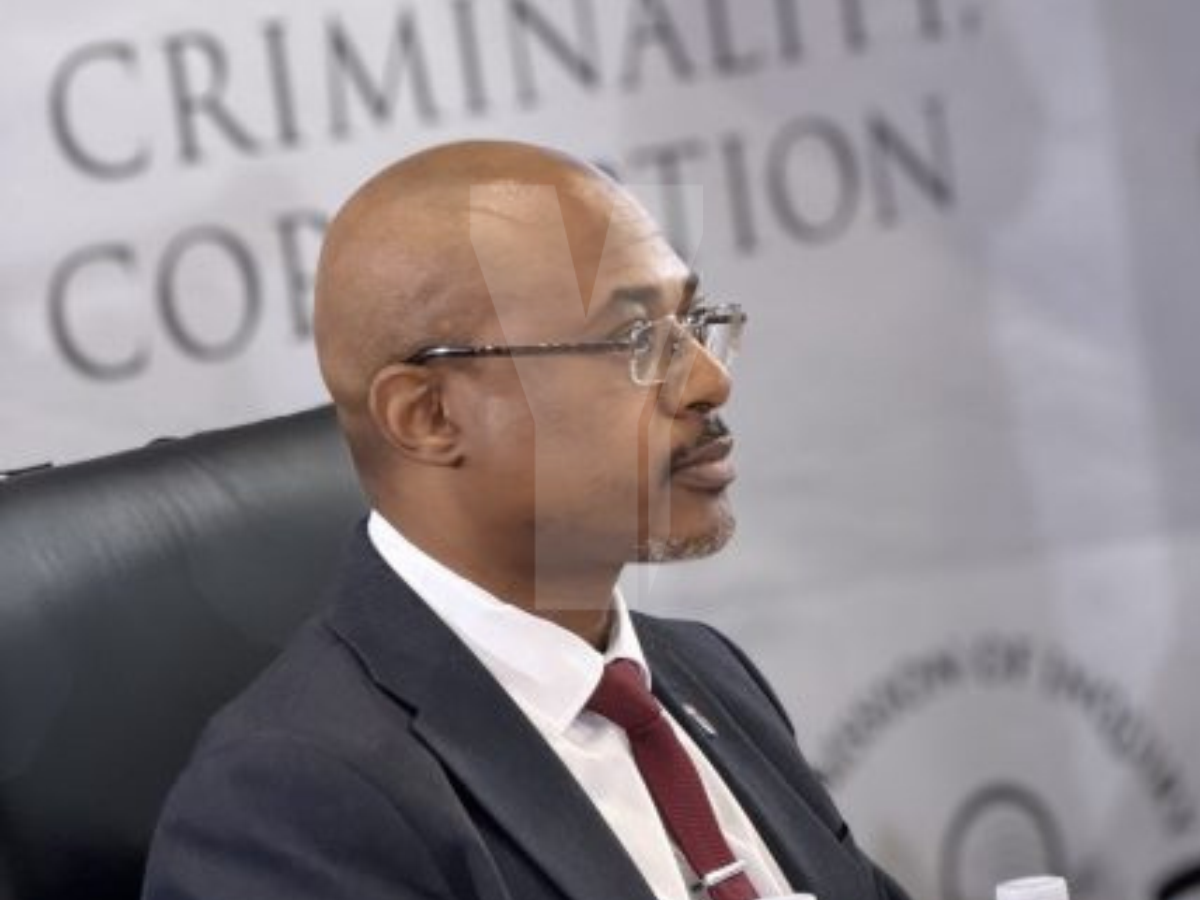
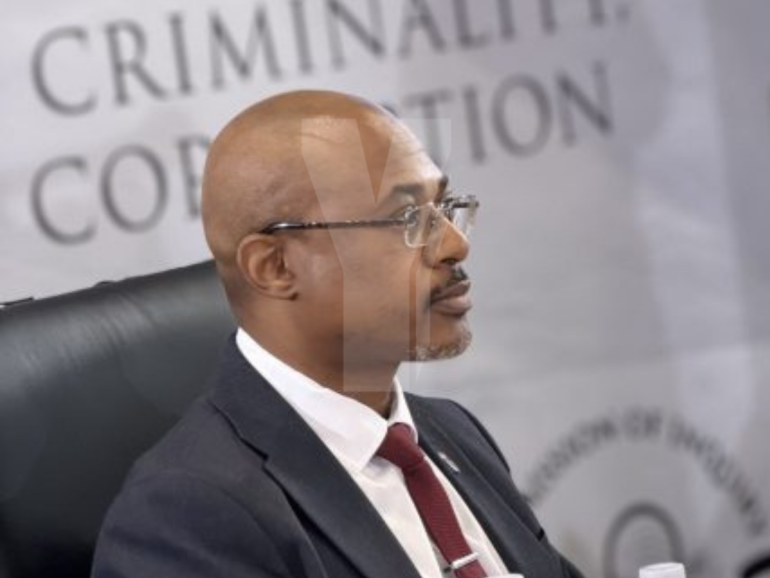
South Africa’s intelligence structures are facing tough questions over secrecy, accountability and oversight, with Madlanga Commission evidence leader, Advocate Matthew Chaskalson, warning of potentially dangerous gaps in the protection of classified information.
Chaskalson says the State Services Agency (SSA) lacks adequate mechanisms to protect intelligence services from being compelled to surrender sensitive information, particularly to law enforcement units considered rogue.
He raised the concerns while engaging Acting Coordinator of the National Intelligence Coordinating Committee (NICOC), Dr Ntandazo Sifolo, on Thursday about the legislative framework governing the country’s intelligence structures.
Chaskalson warned that the situation becomes even more concerning when rogue elements exist within the intelligence services themselves.
He argued that such individuals could potentially influence whether an incumbent Inspector-General of Intelligence (IGI) is granted the security clearance needed to oversee the very institutions they are meant to monitor.
He believes these gaps require urgent legislative intervention, including proper dispute-resolution mechanisms and stronger safeguards over the Inspector-General’s security clearance.
Asked whether such interventions could be considered in future, Dr Sifolo said the intelligence framework is continuously shaped by emerging challenges, with context remaining an important consideration in its development.
-
 play_arrow
Madlanga Commission | Chaskalson flags gaps in classified information safeguards Odirile Rabolao
Sifolo also recalled an incident in which a classified report by an Inspector-General of Intelligence was discussed on social media before eventually reaching NICOC through the media.
He questioned why the report had reached the committee through a journalist rather than through the institution legally responsible for submitting it.
Sifolo said the State Services Agency (SSA) was subsequently approached to establish what had happened.
He also urged journalists to exercise greater care and accuracy when reporting on intelligence matters, warning against irresponsible reporting in such a sensitive space.
His appearance before the commission followed a direction that he testify in a public forum, after evidence leaders had initially requested that his testimony be heard in camera, arguing that only the commissioners should have access to the information.
Sifolo maintained that the responsibilities entrusted to the country’s national intelligence structures must always be carried out lawfully and in the interests of national security.
He stressed that South Africa’s democratic dispensation was never intended to replace accountability with secrecy.
Equally, however, institutions entrusted with ensuring accountability should not be allowed to suppress the exposure of wrongdoing.
-
play_arrow
Madlanga Commission | Chaskalson flags gaps in classified information safeguards Odirile Rabolao
He said constitutional democracy depends on a free media, independent oversight, accountable intelligence services and an effective national security architecture capable of protecting the country against organised crime and corruption.
Sifolo is therefore calling for a national conversation that recognises media freedom and national security as complementary responsibilities, both serving the interests of South Africans.
Meanwhile, Sifolo also presented findings from a Justice, Crime Prevention and Security Cluster report, which highlighted how misconduct by a handful of officials can damage the reputation of an entire government cluster.
He described this as a disheartening reality.
The commission heard that in December 2024, the cluster’s Directors-General convened a workshop and requested a NICOC report to assess the country’s progress in addressing its security challenges.
Sifolo said intelligence structures continue to face perceptions of politicisation, pointing to the July 2021 Expert Panel Report, which the Justice, Crime Prevention and Security Cluster said fell short of describing the structures as inept.
While interventions have since been undertaken to address some of the shortcomings, the report noted that no senior individuals previously identified as posing risks, including their proxies, had been brought to book.
Sifolo added that public confidence in law enforcement is also vulnerable to the steady stream of social media reports detailing allegations of criminal conduct by officials.
He cited allegations of SAPS members being involved in extortion, corruption, collusion with gangsters and docket tampering.
“It went on further to say some correctional services officials are regularly reported to be aiding key criminal activities conducted inside and outside prison by incarcerated individuals, including abetting inmates to escape. The matter is further compounded by various crimes committed by parolees,” Dr. Sifolo said.
Sifolo also identified several public institutions have come under scrutiny over allegations of corruption and fraud.
These include the Department of Home Affairs, Border Management Authority (BMA), South African Revenue Service (SARS), South African National Defence Force (SANDF), National Prosecuting Authority (NPA) and the South African Police Service (SAPS), among others.
According to the report, such allegations are not confined to these institutions but are also prevalent across the broader government environment.
The testimony has once again placed the country’s intelligence and law enforcement structures under the microscope, raising difficult questions about where secrecy ends, where accountability begins, and who ultimately holds those entrusted with protecting South Africa to account.


Current show
Upcoming shows
Latest posts
LATEST NEWS
Madlanga Commission | Hawks officer questioned over JMPD misconduct allegations

McCarthy sees another David versus Goliath battle against Mosimane

Microsoft outage brings business to a crawl worldwide

More than 231,000 foreign nationals found working in SA as unemployment remains high

WIN TICKETS TO LYFE 2026 WITH Y AND CAPTAIN MORGAN
SPOTLIGHT FEST