-
 play_arrow
Y WORLD Radio Station Y WORLD RADIO
music_note

Home Affairs asylum system rollout draws backlash
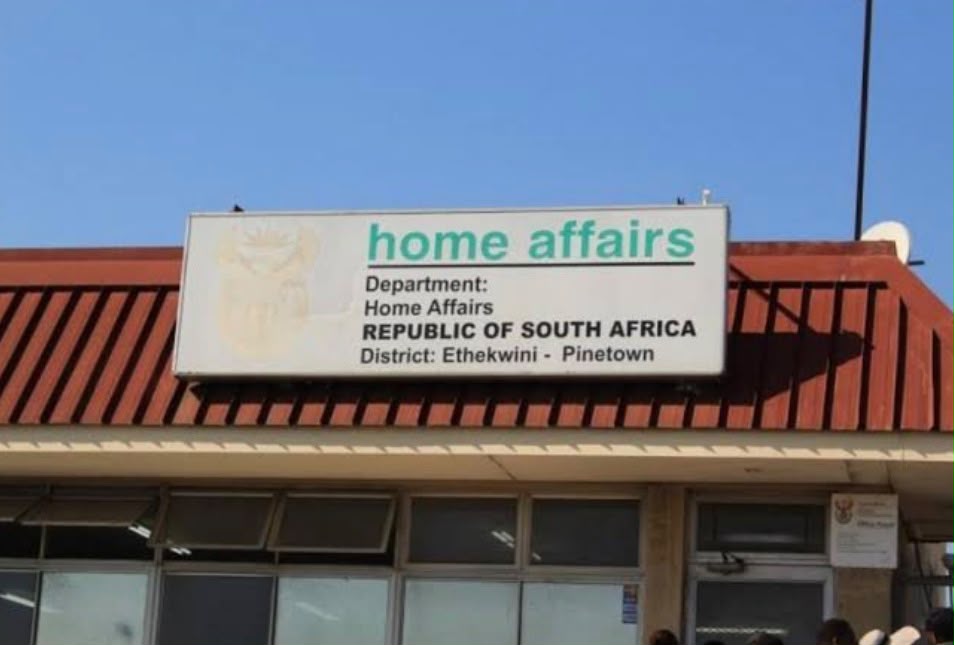
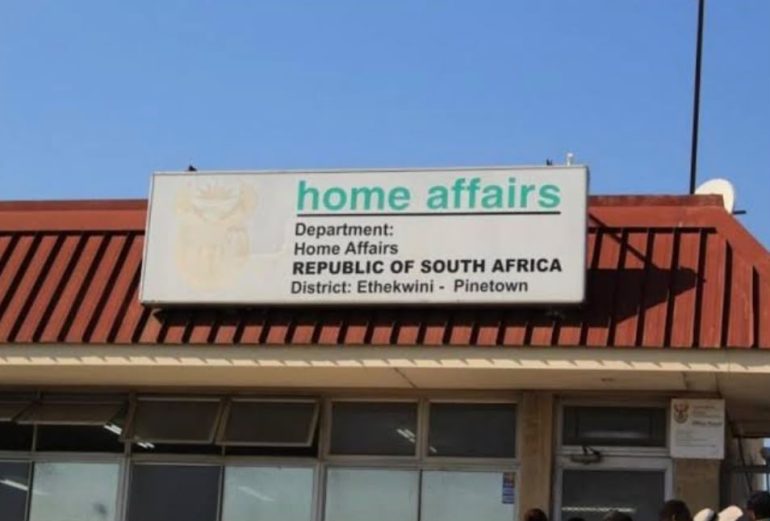
The Home Affairs Department’s move to digitise South Africa’s asylum application process has triggered fresh tensions, with anti-immigration groups mobilising against asylum seekers attempting to access refugee reception centres.
The department launched the first phase of its new digital asylum registration system on Tuesday, as part of efforts to modernise the application process, reduce administrative backlogs and tackle corruption.
The platform is expected to streamline the process through which asylum seekers register their intention to apply for protection in South Africa. However, applicants will still be required to verify their fingerprints in person at refugee reception centres.
The first batch of applications went live with test cases on Tuesday, while public intake is expected to begin after the department’s next scheduled software release this weekend.
The department says the end-to-end digital platform will close loopholes that have enabled corruption and abuse, while reducing the time taken to process applications and appeals.
The rollout also gives effect to the Constitutional Court judgment in the Scalabrini Centre case, which declared certain provisions of the Refugees Act invalid and removed barriers that had prevented some people from applying for asylum.
However, the launch has been overshadowed by renewed opposition from anti-immigration group March and March. It’s leader, Jacinta Ngobese-Zuma, has mobilised supporters to block asylum seekers from accessing refugee reception centres.
-
 play_arrow
Home Affairs asylum system rollout draws backlash Realeboga Nke
Migration expert, Professor Loren Landau, says the campaign goes beyond opposition to immigration and raises serious questions about the rights of people seeking protection under South African law.
“This is a sign of desperation. Of a movement seeking to be relevant and a politics that has little to substantively offer South Africans,” Landau said.
He argues that the groups are not necessarily pushing for improvements to the asylum system, but rather want to see it abolished.
Landau says the introduction of a digital platform is particularly concerning to them because it could provide reliable figures on asylum applications, potentially challenging claims about the scale of migration.
“The digital system is additionally threatening to them because it will produce hard numbers that will undermine their spurious claims,” he added.
The department has stressed that registering on the platform does not automatically grant an individual asylum status or constitute a formal asylum application.
At this stage, the system records a person’s intention to seek asylum, allowing the department to estimate expected application volumes, allocate resources and plan accordingly.
Home Affairs Minister, Leon Schreiber, says the department is seeking to address the lengthy delays that have long characterised the asylum process.
“The central problem we are working to solve is the inordinate delays traditionally associated with the asylum application and appeals processes. Opportunistic applicants have long abused the length of time it takes to finalise these applications,” Schreiber said.
The platform will be expanded in phases to include appointment scheduling, further biometric verification and checks against existing Home Affairs records. Additional digital tools are also planned to support faster adjudication of applications and appeals.
However, Landau cautions that the system could unintentionally create another layer of exclusion for vulnerable asylum seekers who may struggle to complete online forms, travel to refugee reception centres or afford any associated costs.
He says while a transparent and traceable process would be a significant improvement, the department must ensure that the technology does not create new barriers for people seeking legal protection.
Landau also warns that preventing asylum seekers from accessing the process could damage South Africa’s international reputation and undermine its standing on human rights.
“The direct consequences will be small. Over time, this is one of many actions slowly eroding the country’s moral authority,” he said.
Honestly I always get surprised by these ppl then I ask myself why am I even surprised… How many times have we been talking about this online system, even yesterday we updated about it, we explained that we have written to Home Affairs, I even shared that when I met Vuyo this was one of the things we discussed but somehow to EFF people this is some revelation that is about JACINTA 🤦🏼♀️🤦🏼♀️🤦🏼♀️
— Jacinta Ngobese🇿🇦 (@JacintaNgobese) November 10, 2026


Current show
Upcoming shows
Latest posts
LATEST NEWS

Desiree Ellis names Banyana squad for World Cup play-offs

Madlanga Commission | Matlala’s testimony on Sibiya raises fresh questions
Home Affairs asylum system rollout draws backlash

Triple-murder accused Tshuma wants to return to the UK, plea proceedings delayed

Zille given until Wednesday to apologise to Malema
SPOTLIGHT FEST