-
 play_arrow
Y WORLD Radio Station Y WORLD RADIO
music_note

Local Government Elections likely to be competitive, high-risk and marked by declining trust: IEC
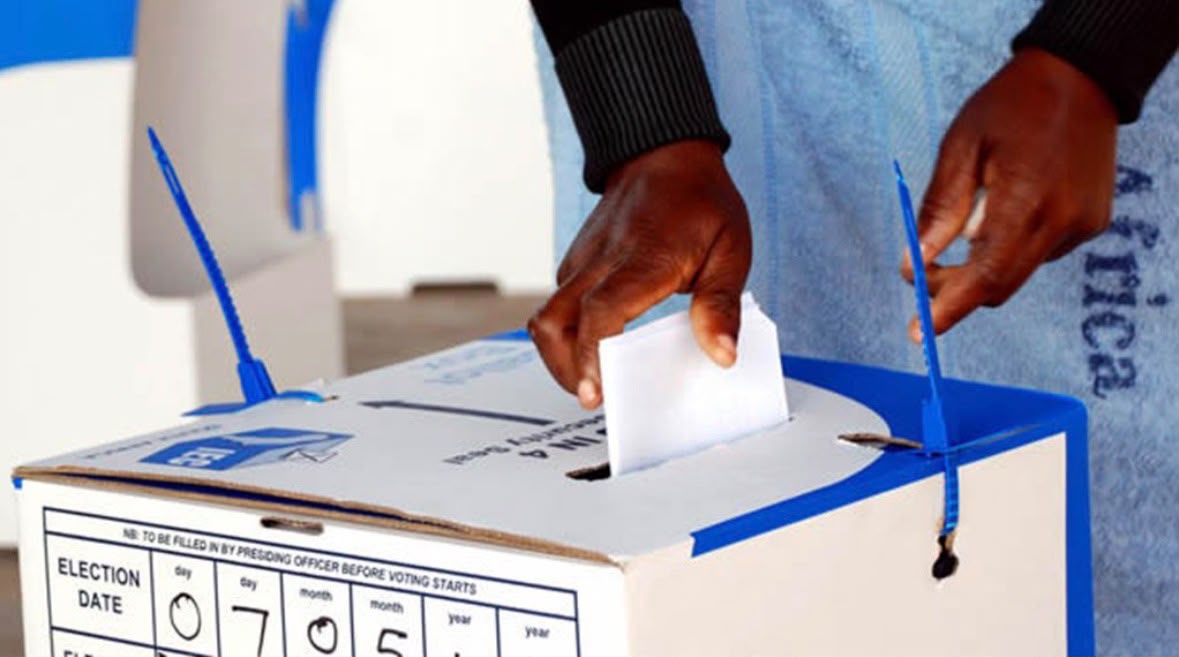
The Electoral Commission of South Africa (IEC) has painted a bleak picture of the country’s democratic landscape ahead of the 4 November local government elections, warning that it is preparing for the polls amid what it describes as the most challenging pre-election environment since the advent of democracy.
Briefing Parliament on Friday on preparations for the upcoming elections and the voter registration weekend scheduled for 21 and 22 June, IEC Chairperson Mosotho Moepya, said the Commission is facing an increasingly sceptical electorate characterised by declining trust, voter apathy and growing dissatisfaction with political leadership.
“We must candidly acknowledge that the Electoral Commission is planning these elections in what can only be described as the most challenging pre-electoral climate observed over the last 30 years,” said Moepya.
“Data obtained from the recent voter participation survey paints a sobering picture of a societal landscape where the electoral climate is very tough.”
-
 play_arrow
Local Government Elections likely to be competitive, high-risk and marked by declining trust: IEC Realeboga Nke
One of the most significant findings presented by the Commission is the sharp decline in South Africans’ satisfaction with democracy.
According to the IEC, 63% of adults expressed satisfaction with South Africa’s democratic system in 2004. More than two decades later, that trend has reversed dramatically, with 68% of adults in 2025 indicating that they are dissatisfied with the way democracy is functioning.
IEC Deputy Chief Electoral Officer, Masego Sheburi, said the findings suggest that the upcoming local government elections will be unfold against a backdrop of growing public frustration with politics and governance.
The Commission identified persistent dissatisfaction with political leadership, declining confidence in democratic institutions and frustrations over local service delivery as key drivers of voter disengagement.
“Dissatisfaction with democratic functioning and local service delivery has deepened, contributing to a softening commitment to key democratic norms,” said Sheburi.
– Trust in institutions at historic lows –
Trust in local government has fallen sharply from 55% in 2004 to just 18% in 2025.
Confidence in the national government has declined significantly, dropping 69% to 19% over the same period.
Of particular concern to the IEC, is the decline in public trust in the Commission itself. Trust in the electoral body has dropped from 74% in 2004 to 32% in 2025.
The Commission warned that public attitudes towards elections are also shifting, raising concerns about future voter participation.
– Race to November underway –
Preparations for the elections are already well underway. The official election campaign period began on 27 May, while the Minister of Cooperative Governance and Traditional Affairs is expected to formally proclaim the election date in early August.
Once the proclamation is issued, the voters’ roll will close and no new voter registrations will be accepted.
“The Commission has begun key stakeholder consultations in high-risk provinces and environments,” Parliament heard.
– Disillusionment driving voter apathy –
According to the IEC’s research, growing disillusionment with politics has emerged as one of the primary reasons why eligible voters are choosing not to register or are considering abstaining from voting altogether.
Rather than viewing elections as an effective mechanism for change, many South Africans increasingly feel disconnected from the political process and doubtful that their participation can make a meaningful difference.
The Commission believes this trend could significantly impact on voter turnout in November.
With political parties and independent candidates preparing to contest control of the country’s 205 municipalities, the local government elections have the potential to reshape South Africa’s political landscape.
However, the IEC’s warned that the greatest challenge may not be competition between parties, but rather convincing South Africans that participating in the democratic process still matters.
For millions of citizens frustrated by poor service delivery, corruption, unemployment and economic hardship, the November election may serve not only as a verdict on political parties, but also as a broader test of confidence in South Africa’s democracy.
South Africans vote in different elections for different levels of government.
That’s why it’s important to understand what you’ll be voting for on 4 November. Municipal elections determine who makes decisions about the services that directly affect your daily life. pic.twitter.com/QSVnAqXONo
— IEC South Africa (@IECSouthAfrica) June 12, 2026

Current show
Upcoming shows
Latest posts

Madlanga Commission | DCS Commissioner Thobakgale details prison gang influence

Matlala Trial | Expert challenges State’s medical account of Kekana’s arrest
ANC EC secretary threatens legal action against Mbalula over election-list dispute

Lesufi says criminals have declared war as women’s bodies pile up in Ekurhuleni
LATEST NEWS
Madlanga Commission | DCS Commissioner Thobakgale details prison gang influence
Matlala Trial | Expert challenges State’s medical account of Kekana’s arrest
ANC EC secretary threatens legal action against Mbalula over election-list dispute
Lesufi says criminals have declared war as women’s bodies pile up in Ekurhuleni

Tatjana set to return to action
SPOTLIGHT FEST