chevron_left
-
 play_arrow
Y WORLD Radio Station Y WORLD RADIO
music_note

Joburg launches disconnection blitz to recover R64.8 billion in unpaid municipal bills
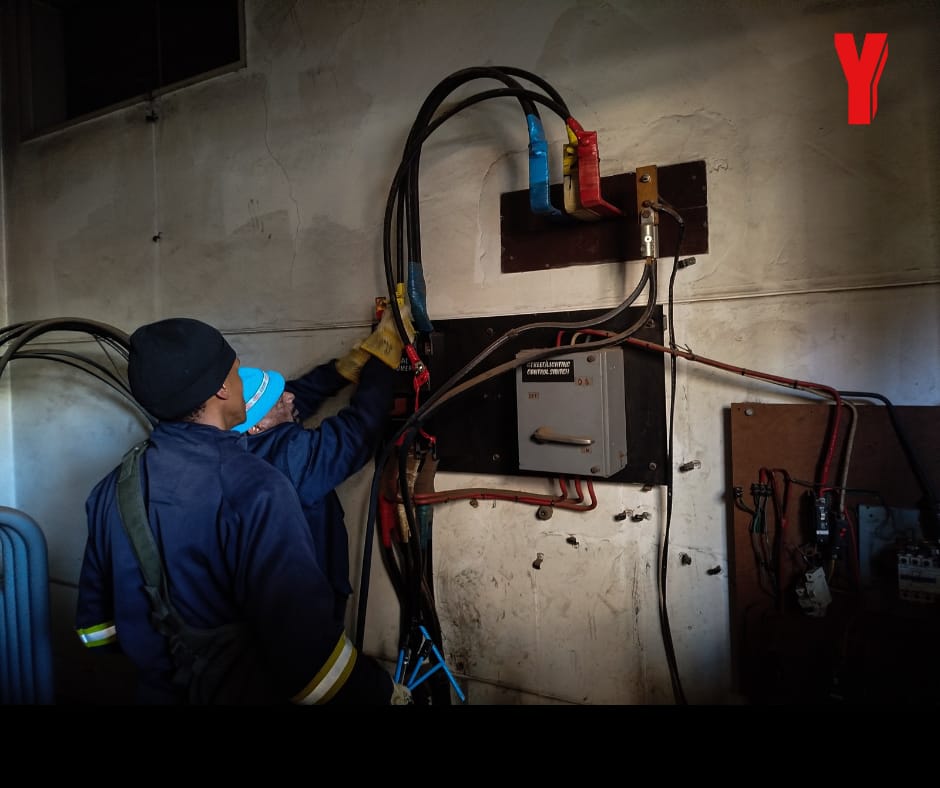
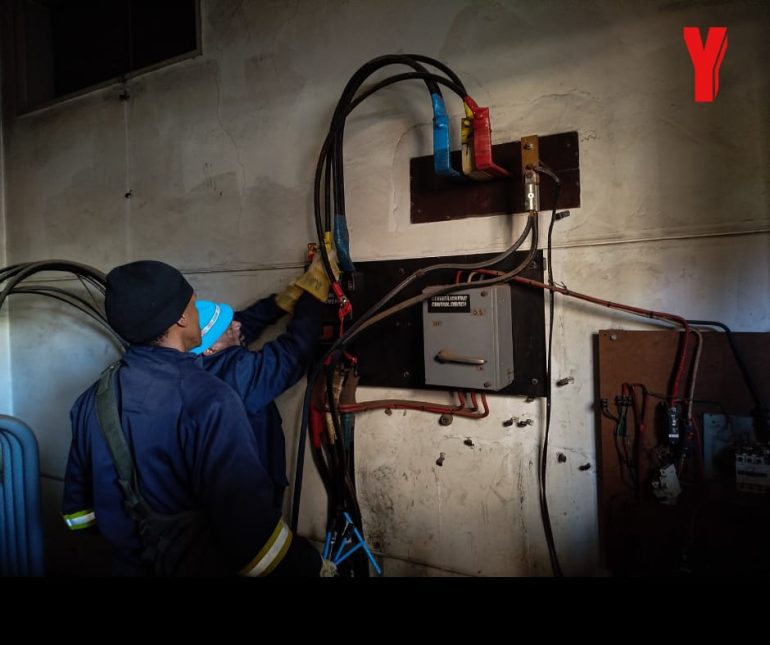
The City of Johannesburg has kicked off a city-wide blitz to recover more than R64.8 billion in unpaid municipal bills — targeting businesses, residents, and institutions behind on payments for electricity, water, refuse removal, sewage, and property rates.
Launching the Mayoral Revenue Collection Drive in the CBD, Acting Mayor Jack Sekwaila revealed that Region F, which includes the inner city, holds the largest share of the debt at 25%, followed by Region A at 18% and Region G at 14%.
“This dept affects our ability to deliver services, it affects our maintenance, it affects infrastructure roll out,” said Sekwaila.
The disconnection campaign began in Marshalltown, Fordsburg, and Doornfontein, where officials accompanied by City Power and Johannesburg Water cut services to defaulting properties.
Among the first to be affected was Marshall Yards Student Residence, disconnected for owing the City over R2.4 million.
Confusion erupted on-site when the new owner claimed to be unaware of the debt left by the previous owner.
“When people buy property from each other, they must understand that the revenue must also be part and parcel of that process. Here what happened is that the guys would have bought the property from someone, finding it in a dilapidated fashion, then they therefore demolished it and created a new account revenue with the new owners, but they are not aware that the money owed by previous owner still remains with us, so the property remains the same, the stand number remains the same,” added Sekwaila.
The city says Marshalltown alone has 70 delinquent accounts, totaling more than R90 million in arrears.
While the blitz targets over 1,000 high-value accounts, Sekwaila said disconnections for government departments, especially hospitals, will only follow thorough deliberation.
City Power spokesperson Isaac Mangena said internal systems are being tightened to flag accounts before they fall into months of arrears.
The city aims to collect R200 million per day over the next six months to stabilise its revenue base.
“The cost of running the city and the money that’s coming through does not correspondent, that’s why we’re saying we need to intensify so that we can move from the 64 billion to at least half of that by the end of the year, we’re targeting R1 billion by the end of August,” said Mangena.
Meanwhile, the Johannesburg Metro Police Department says the disconnection blitz is also being used to tackle rising crime and by-law violations in the CBD. JMPD Chief Patrick Jaca warned that failing to reclaim control of the inner city could lead to broader collapse.
“If the City of Johannesburg coughs the whole entire country catches the flue, especially the CBD where we are it’s a problem, the issue of robberies, let me say contact crimes, that is why the minister and the provincial commissioner that when we talk about this, there passion from everyone to ensure that we prevent this crime from happening,”
Overall, residents and businesses owe the city R34.2 billion, with rates and taxes making up 21.1%, electricity 15.7%, and refuse 9.9% of the total.
With its R83.1 billion budget for 2025, the City says aggressive collection is crucial to keep services running and infrastructure projects on track.
Written by Lebohang Ndashe
Similar posts

Current show
Upcoming shows
Latest posts
LATEST NEWS

Gauteng urged to keep cool amid scorching heat

Pietersen wary of strong Cardiff outfit

Baby Nikita trial | Eldorado Park man accused of her killing blames drugs for his actions, seeks leniency
Revised White Paper on Local Government sparks division ahead of elections

YouthX by Nedbank Con Hill 21 November 26
SPOTLIGHT FEST