-
 play_arrow
Y WORLD Radio Station Y WORLD RADIO
music_note

Ramaphosa’s salary increases for public office-bearers draw backlash
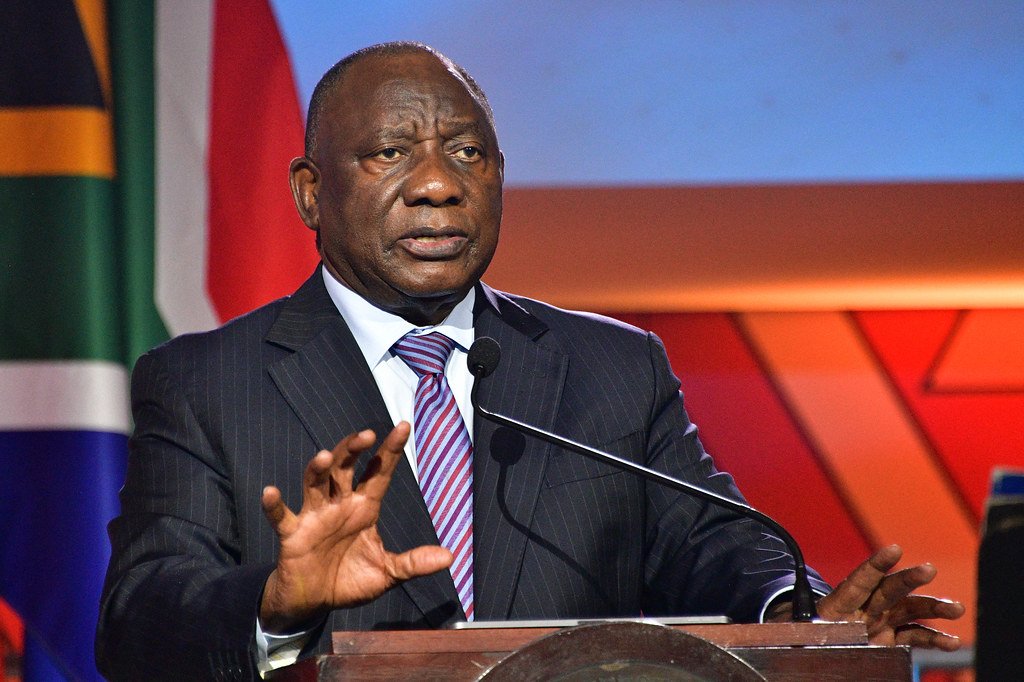
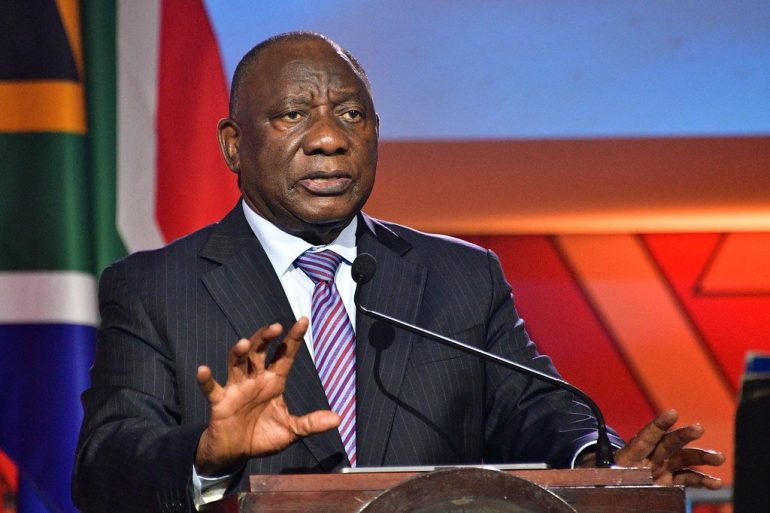
President Cyril Ramaphosa’s decision to approve salary increases of between 3.5% and 4% for public office-bearers has drawn criticism from trade unions and civil society organisations, with concerns mounting over the cost to taxpayers and the country’s economic challenges.
The increases for the 2026/27 financial year, which are effective retrospectively from 1 April, apply to different categories of public office-bearers.
Members of the National Executive, Parliament and provincial legislatures, as well as premiers and members of provincial executive councils, will receive a 3.5% increase.
Judges, magistrates, traditional leaders and members of independent constitutional institutions will receive a 4% adjustment.
Economist, Dawie Roodt, says the decision to keep the increases below the current inflation rate is reasonable. However, he argues that public office-bearers should be setting an example by aligning their salary increases with the country’s 3% inflation target.
He says the increases effectively amount to a reduction in their real incomes, given that inflation is currently higher.
“The actual current inflation rate is above what the increases are. So it’s actually a fall in the real income of those officials,” Roodt said.
He also believes public office-bearers are already well remunerated and that their salaries should be reduced in real terms over time through below-inflation increases.
“We should reduce these salaries over time and give them below-inflation increases for some time until their salaries are more in line with what one can expect for a country in very deep financial and economic trouble like South Africa.”
-
 play_arrow
Ramaphosa’s salary increases for public office-bearers draw backlash Realeboga Nke
Despite these concerns, Roodt says he is not particularly critical of the latest adjustment, adding that the President made the right call by approving increases below inflation.
COSATU, meanwhile, has described the 3.5% adjustment for politicians as excessive and out of touch with the realities facing ordinary South Africans.
The trade union federation, an African National Congress (ANC) alliance partner, welcomed the reduction from the Remuneration Commission’s initial 4.1% recommendation, but questioned the decision to allocate an additional R536 million towards the salaries of politicians, commissioners and judges.
The Presidency says the salary increases follow recommendations of the Independent Commission for the Remuneration of Public Office-Bearers, as well as the President’s consideration of the serious economic challenges facing the country.
COSATU’s Parliamentary Coordinator, Matthew Parks, has also raised concerns about the 9,331 municipal councillors included in the increases, arguing that many municipalities are struggling to pay employees and meet their financial obligations.
“We do support the 4% adjustment for Magistrates given that they are a skilled profession and measures are needed to retain them and avoid a brain drain upon an already overwhelmed judicial system,” Parks said.
-
play_arrow
Ramaphosa’s salary increases for public office-bearers draw backlash Realeboga Nke
NEHAWU has also condemned the decision, describing it as unprincipled and insensitive to the socio-economic conditions confronting workers and the poor.
The union argues that public servants continue to work under difficult conditions, with understaffing, frozen vacancies and budget cuts weakening the state’s ability to deliver essential services.
It has called on Ramaphosa to reconsider his decision and prioritise the country’s pressing socio-economic challenges.
Meanwhile, Forum for South Africa (Forum4SA) has also questioned the timing and justification of the increases, arguing that public office-bearers should demonstrate measurable accountability and improvements in service delivery.
The organisation wants remuneration to be linked to performance assessments and governance outcomes, within the applicable constitutional and legal framework.
Bathong! This week? After last week? Time? Place? Even if something is procedurally correct or was decided before the election, what does this political moment tell you? Is it time to announce salary? The public has just sent you a message that you have failed them? So salary increases are the right response? Messaging is about timing, connecting things that the public would automatically connect and being sensitive to the political moment. You should have parked this.
— Redi Tlhabi (@RediTlhabi) November 10, 2026
🚨 Another “catastrophic flop” by Cyril Ramaphosa 🚨
Another day, another salary increase for those at the top while millions of South Africans struggle to survive.
Approving a 3.5% to 4% pay hike for ministers, MPs, and public office bearers against the backdrop of staggering unemployment and a brutal economic crisis is the definition of out-of-touch leadership.
How do you justify rewarding yourselves while ordinary citizens bear the brunt of poverty, joblessness, and rising costs of living? Public service is supposed to be about putting the people first, not lining your own pockets while the country suffers. Completely tone-deaf and unacceptable.— Born Again (@Born_Again_Man) November 10, 2026
@PresidencyZA, @GovernmentZA, @Khu_Ntshavheni , @CyrilRamaphosa
Please can you share the deliverables achieved by this group of people which justifies their salary increases?
I will list a few issues for South Africans:in no particular order
Unemployment
Water
Collapsing Infrastructure
Load Reduction
Border Management
Crime
GBV
Illegal Mining
Corruption
Madlanga Commission exposing Police and Judiciary
Phala Phala
Loans with Billions in interest payments
Fiscal austerity
Poverty
Immigration
Fuel price
High taxes and Vat
High food prices/Food Basket price
EtcThe people getting increases have not solved a single issue affecting South Africa’s so what are they being rewarded for exactly?
What are their respective success stories that could mean their performance reviews warrent salary increases? Please show us what we are not seeing or experiencing on the ground?
— Patriot ZAR (@ZARPatriot) November 10, 2026


Current show
Upcoming shows
Latest posts
LATEST NEWS
Madlanga Commission | Hawks officer questioned over JMPD misconduct allegations

McCarthy sees another David versus Goliath battle against Mosimane

Microsoft outage brings business to a crawl worldwide
More than 231,000 foreign nationals found working in SA as unemployment remains high

WIN TICKETS TO LYFE 2026 WITH Y AND CAPTAIN MORGAN
SPOTLIGHT FEST