-
 play_arrow
Y WORLD Radio Station Y WORLD RADIO
music_note

Presidency rejects WHO claims of xenophobia in South Africa
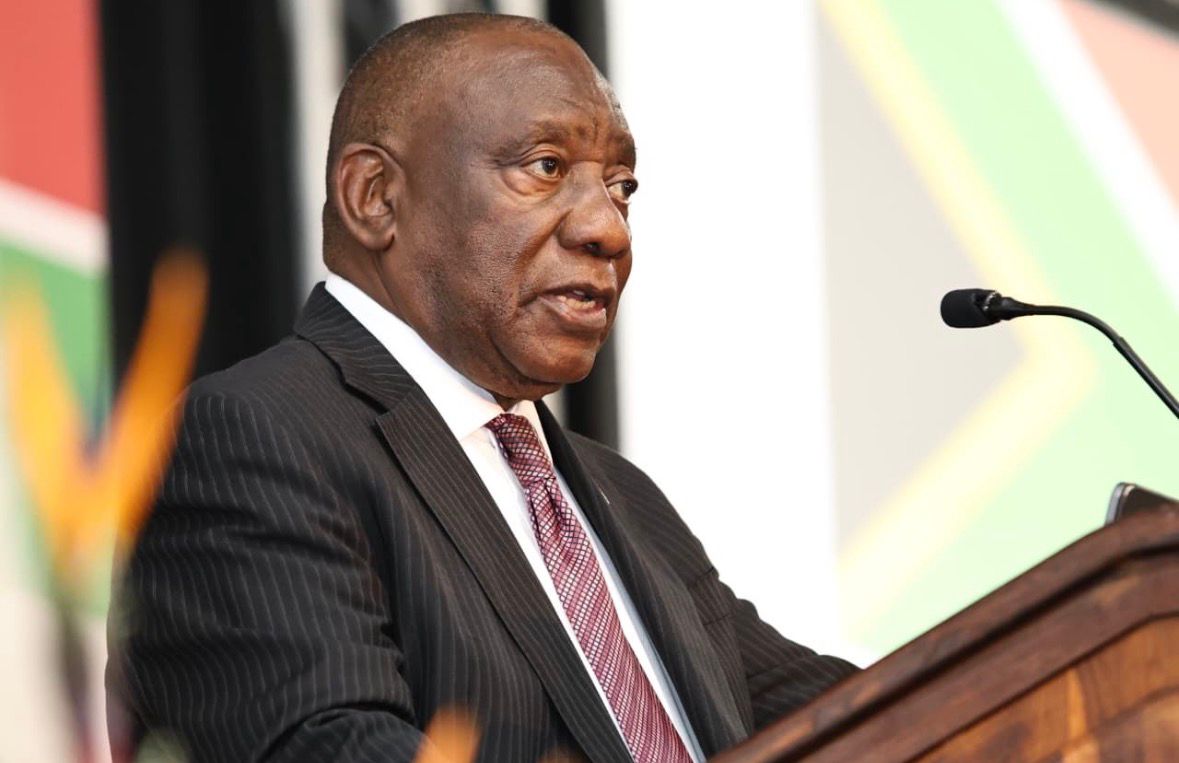
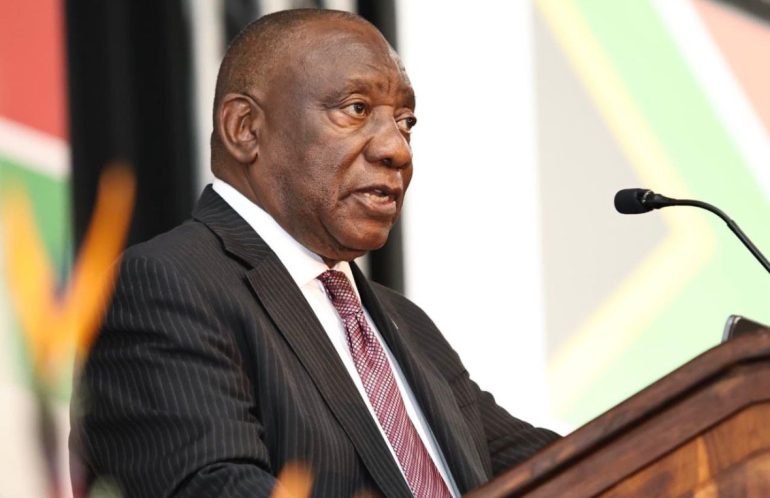
The Presidency has moved to counter growing international criticism over South Africa’s migration-related tensions, as hundreds of foreign nationals continue leaving the country amid fears of attacks.
This follows comments by World Health Organisation (WHO) Director-General, Tedros Gebreyesus, who condemned what he described as a surge in xenophobic attacks in South Africa, claiming that Ethiopians and Mozambican nationals have been killed and that thousands of people were fleeing for their lives.
However, the Presidency says some of the information being circulated internationally is inaccurate.
In a statement on Monday, President Cyril Ramaphosa’s office said it would engage the WHO through the Department of International Relations and Cooperation (DIRCO) to ensure that information about recent incidents is “accurate and reliable”.
The Presidency specifically challenged the WHO’s characterisation of the deaths of Ethiopian nationals.
“These events fall within the realm of organised crime and are being actively investigated by law enforcement agencies,” the Presidency said.
*MEDIA STATEMENT*
*TO ALL MEDIA/NEWS EDITORS*
*MONDAY, 15 JUNE 2026*
*PRESIDENCY CAUTIONS AGAINST THE SPREAD OF MISINFORMATION ABOUT SOUTH AFRICA’S MIGRATION CHALLENGES*
The Presidency deeply regrets the tragic loss of life in these recent incidents, as one life lost is…
— Chrispin Phiri 🇿🇦 (@Chrispin_JPhiri) June 15, 2026
International Relations and Cooperation Minister, Ronald Lamola, also sought to clarify recent claims made by his Ghanian counterpart, Samuel Ablakwa, who alleged that five Mozambicans and two Nigerians had been killed during anti-immigration protests in South Africa.
Following those claims and the deaths of two Mozambican nationals, government has stressed that investigations are ongoing and warned against the spread of misinformation surrounding South Africa’s migration challenges.
The developments come as neighbouring countries increasingly respond to concerns about the safety of their citizens in South Africa.
In the latest voluntary repatriation programme, eight buses carrying 645 Malawian nationals departed Durban.
The Malawian government confirmed on Monday that the group had been sheltering at Sherwood Hall after being displaced during recent tensions.
Malawi’s Ministry of Foreign Affairs said it remains committed to supporting citizens affected by what it described as “ongoing vigilante attacks targeting foreign nationals in some parts of South Africa.”
While government insists law enforcement agencies are dealing with criminal activity, critics warn that the growing number of foreign nationals seeking repatriation paints a worrying picture of fear and insecurity.
Justice Minister, Mmamoloko Kubayi, said South Africa’s growing anti-immigration backlash is beginning to impact the country’s reputation beyond its borders, warning that the tensions are now affecting businesses across the continent.
Meanwhile, President Ramaphosa’s office has reiterated that only authorised law enforcement authorities have the power to enforce immigration laws, warning against communities taking matters into their own hands.
In South Africa, it is Xenophobia.
In Europe, it is anti- immigrants.The world has become used to South Africans, native South Africans in particular, to not have a say about what happens in their country.
He has not said a word about Ireland. https://t.co/8jyCNw1CSK
— South Africa, best country in the 🌎 (@nosimdl) June 15, 2026
Nazo ke! This is only the beginning
South African Artists Face Continental Gig Cancellations Amid Xenophobia Concerns, Says Minister Kubayi.
South African Justice Minister Mmamoloko Kubayi has raised concern after reports that a local artist has had performances across the… pic.twitter.com/YQwyEiOfW6
— Thibos🍯 (@_Msindazwe_) June 15, 2026


Current show
Upcoming shows
Latest posts
LATEST NEWS

EMPD Deputy Chief Julius Mkhwanazi fired after disciplinary process

NSFAS 2027 applications open as Manamela urges students not to wait until the last day

Majola loses lawyer as DJ Warras murder trial faces further delay

Mpox cases on the rise in SA

Madlanga Commission | DCS Commissioner Thobakgale details prison gang influence
SPOTLIGHT FEST