-
 play_arrow
Y WORLD Radio Station Y WORLD RADIO
music_note

ConCourt ruling is more about restoring Parliament’s obligations, says legal expert
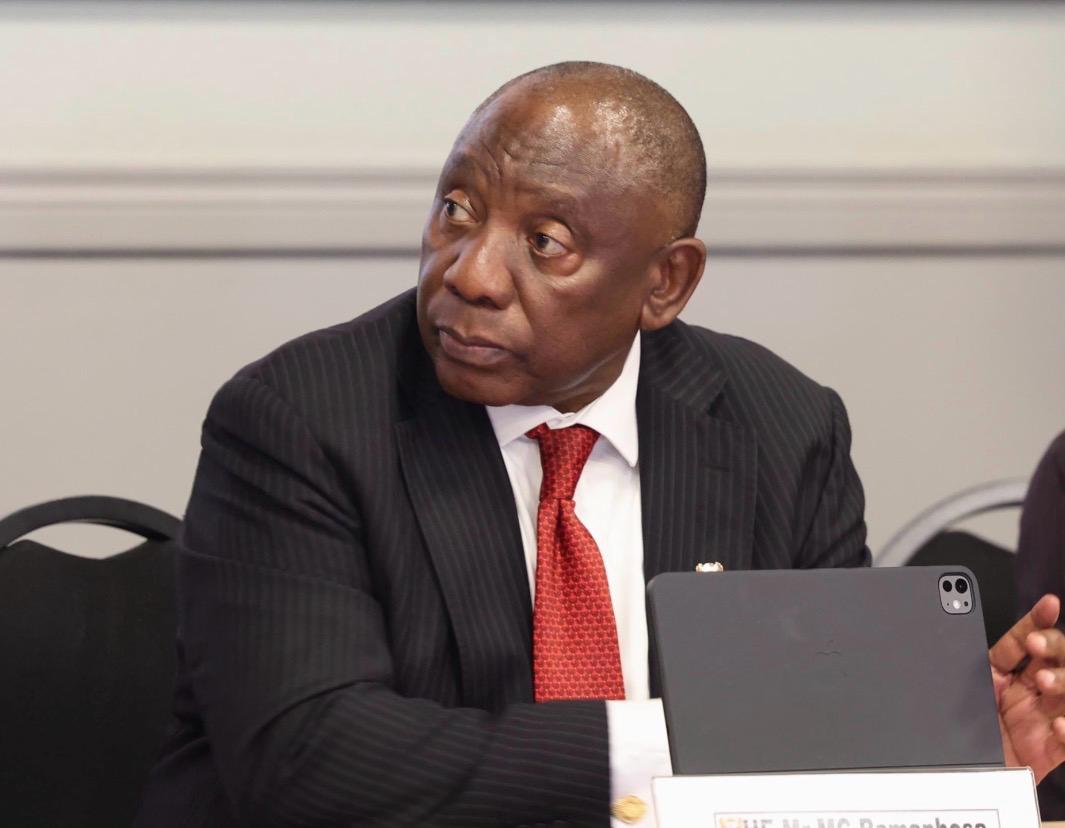

The Constitutional Court’s judgement on the Phala Phala matter has not impeached President Cyril Ramaphosa, but it has forced Parliament to revive a constitutional accountability process it had previously shut down.
That’s according to legal expert, Leo Maphosa, who says Friday’s ruling is less about removing the President and more about restoring Parliament’s constitutional obligations.
“The Constitutional Court has not impeached the president. It has reopened the constitutional accountability door that Parliament had prematurely closed,” Maphosa explained.
The Constitutional Court ruled that Rule 129I of the National Assembly was unconstitutional because it allowed Members of Parliament to block a Section 89 impeachment inquiry, even after an independent panel found there was sufficient prima facie evidence to justify further investigation into the Phala Phala matter.
The case was brought by the Economic Freedom Fighters (EFF) and the African Transformation Movement (ATM), which argued that Parliament unlawfully abandoned its constitutional duty when it voted against proceeding with the impeachment inquiry in December 2022.
The apex court subsequently set aside Parliament’s decision not to proceed with the inquiry and ordered that the independent panel’s report be referred to an impeachment committee.
On Monday, National Assembly Speaker, Thoko Didiza, confirmed that Parliament will now begin the formal process of establishing the impeachment committee, with the specific timeframes still to be announced.
“The Speaker will initiate the process to constitute the Impeachment Committee,” Parliament said in a statement, adding that the committee will process the Section 89 inquiry “within the framework of the Constitution and the Rules of the National Assembly.”
[THREAD] 🪡 SPEAKER DETERMINES THE PROCESS TO BE FOLLOWED BY THE NATIONAL ASSEMBLY FOLLOWING THE CONSTITUTIONAL COURT JUDGMENT
Parliament, Monday, 11 May 2026 – The Speaker of the National Assembly, Ms Thoko Didiza, has determined the process that the National Assembly will…
— Parliament of RSA (@ParliamentofRSA) May 11, 2026
Maphosa says the judgment fundamentally changes how future impeachment-related matters will be handled in South Africa.
“The principle is that the preliminary stage must be evidence-led, not politically strangled…The majority party may still exercise political judgment in the final removal stage, but it cannot prevent the factual inquiry from taking place where the threshold has already been met,” said Maphosa.
-
 play_arrow
ConCourt ruling is more about restoring Parliament’s obligations, says legal expert Realeboga Nke
Maphosa says while the ruling makes an impeachment inquiry unavoidable, Ramaphosa’s actual removal from office remains politically difficult.
“An impeachment inquiry is now legally unavoidable, but impeachment as removal from office remains politically difficult,” he explained.
According to Maphosa, two major hurdles remain before any impeachment could happen. Firstly, the impeachment committee would need to make adverse findings against the President after reviewing evidence. Secondly, a two-thirds majority in the National Assembly would ultimately need to support his removal in terms of Section 89 of the Constitution.
“So the legal threshold has moved the matter forward, but the political threshold remains extremely high,” he added.
Maphosa warned that the process is unlikely to produce immediate outcomes and will unfold over several weeks.
“This is not a one-day political spectacle. It’s now a constitutionally supervised parliamentary process,” he said.
He added that Parliament still needs to formally table the report, establish the committee, determine procedural arrangements and amend relevant Assembly rules in line with the court’s judgment.
Meanwhile, Cyril Ramaphosa is expected to address the nation on Monday evening following the Constitutional Court’s Phala Phala judgment.
PRESIDENT RAMAPHOSA TO ADDRESS THE NATION
President @CyrilRamaphosa will tonight at 20h00, address the nation following the judgment of the Constitutional Court in the case brought by the Economic Freedom Fighters challenging the National Assembly’s decision with respect to… pic.twitter.com/d88JODPayG
— The Presidency 🇿🇦 (@PresidencyZA) May 11, 2026
Similar posts


Current show
Upcoming shows
Latest posts
LATEST NEWS

Gauteng urged to keep cool amid scorching heat

Pietersen wary of strong Cardiff outfit

Baby Nikita trial | Eldorado Park man accused of her killing blames drugs for his actions, seeks leniency
Revised White Paper on Local Government sparks division ahead of elections

YouthX by Nedbank Con Hill 21 November 26
SPOTLIGHT FEST