-
 play_arrow
Y WORLD Radio Channel Y WORLD RADIO
-
 play_arrow
Void Transmission #04 Chloe Nguyen
music_note

TRC cases inquiry | Pikoli testimony reveals why Cradock Four justice stalled
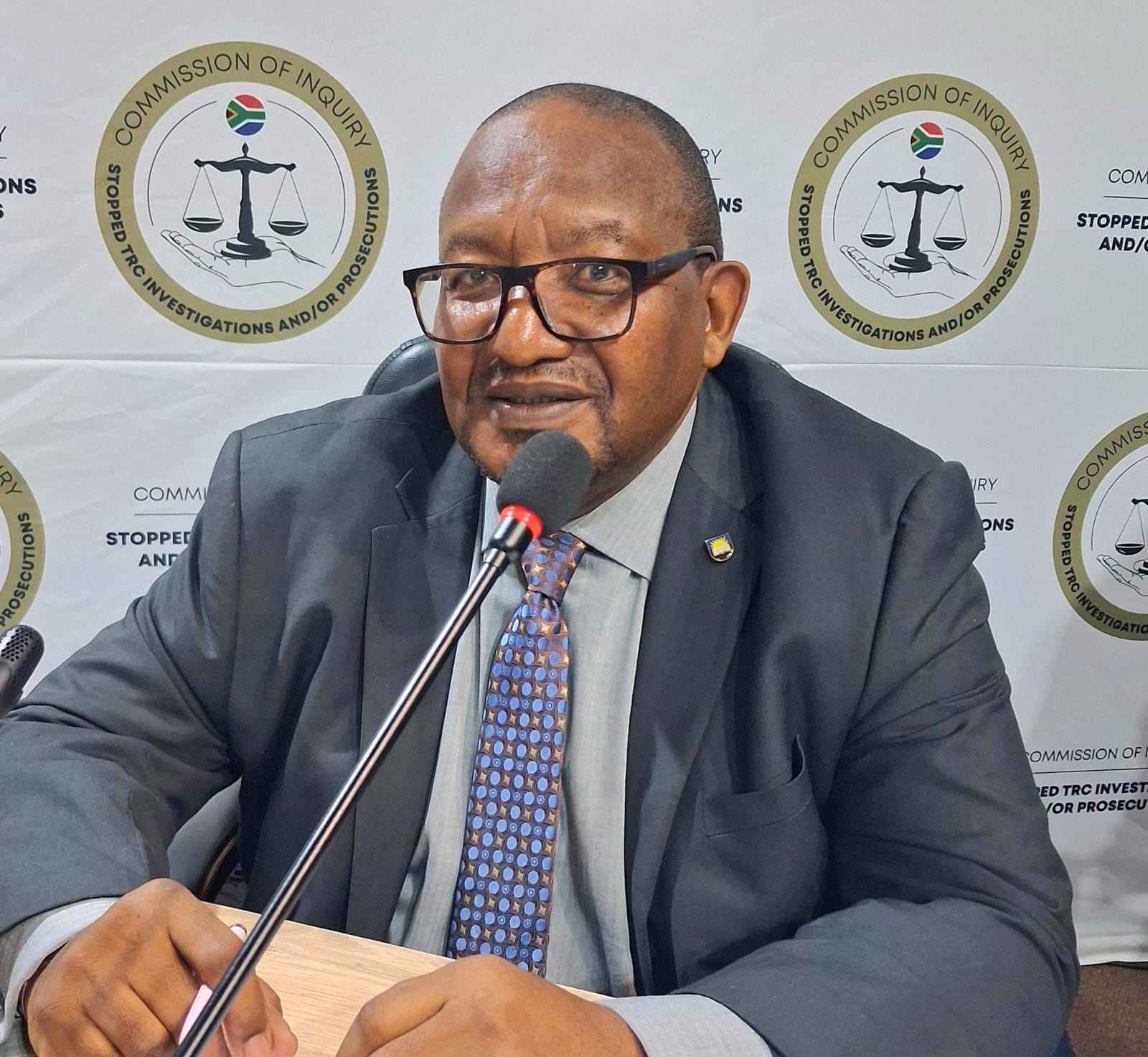
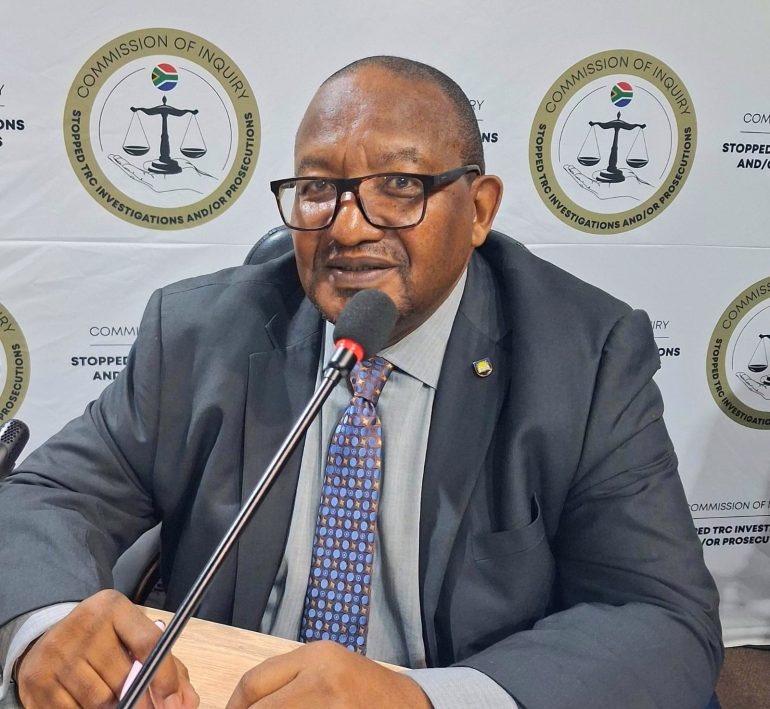
More than three decades after the brutal killing of the Cradock Four, testimony before the Khampepe Commission of Inquiry has laid bare a troubling picture of political fears, missing evidence and institutional resistance that stalled efforts to prosecute apartheid-era crimes.
Former National Director of Public Prosecutions, Vusi Pikoli, told the inquiry he shares the view of victims’ families that the case involving the slain anti-apartheid activists was not meaningfully pursued for many years after it was referred by the Truth and Reconciliation Commission (TRC).
The commission – chaired by retired Constitutional Court Justice Sisi Khampepe – is investigating why dozens of apartheid-era cases recommended for prosecution by the TRC were never acted upon.
Testifying under questioning from Advocate, Howard Varney, who represents victims’ families, Pikoli acknowledged that investigations into the murders of Matthew Goniwe, Fort Calata, Sicelo Mhlauli and Sparrow Mkonto remained largely inactive for years.
Evidence before the commission also indicates that the case docket went missing in 2013 and had to be reconstructed later, contributing to further delays in pursuing justice.
Varney also pointed to similar frustrations in the COSAS Four matter, where families waited more than two decades for progress before resorting to legal action.
Pikoli told the inquiry that historical and political conditions at the time must be considered when assessing why many prosecutions linked to apartheid-era crimes stalled.
-
 play_arrow
TRC cases inquiry | Pikoli testimony reveals why Cradock Four justice stalled | By X9 Converter
In further testimony, Pikoli revealed that fears about potential prosecutions involving members of the governing party created resistance to pursuing certain TRC-related cases.
He testified that former Justice Minister Brigitte Mabandla and former National Police Commissioner Jackie Selebi believed prosecutions flowing from TRC referrals could expose some ANC members to criminal charges.
-
play_arrow
TRC cases inquiry | Pikoli testimony reveals why Cradock Four justice stalled | By X9 Converter
Pikoli also told the inquiry that warnings were raised that some investigations might extend beyond apartheid security officials.
He testified that former apartheid-era police generals were believed to have compiled dossiers containing potentially damaging information about ANC leaders, which added further pressure not to proceed with prosecutions.
According to Pikoli, resistance to pursuing TRC cases came from multiple institutions, including the South African Police Service (SAPS), the Department of Justice, intelligence structures and elements within the executive.
Despite these obstacles, families of victims continued pressing for accountability while Parliament’s Justice Portfolio Committee was kept informed about the delays.
The inquiry also heard that Selebi repeatedly pushed for the removal of senior prosecutor, Anton Ackermann, who was involved in handling TRC-related cases.
Pikoli testified that Selebi claimed Ackermann intended to prosecute ANC leaders – an allegation Pikoli said had no basis.
Without investigators from police, Pikoli said the Priority Crimes Litigation Unit – responsible for pursuing TRC-related prosecutions – struggled to advance many of the cases.
He told the commission he wrote several letters to police and government officials requesting investigative support, but those efforts were unsuccessful.
The issue of Ackermann’s involvement, Pikoli said, repeatedly resurfaced during interdepartmental meetings intended to ensure cooperation on the investigations.
Meanwhile, Ackermann previously told the commission he never received a formal handover of hundreds of TRC dockets referenced in earlier reports.
He also testified that prosecutors found no legal basis to pursue charges against ANC leaders linked to armed struggle activities.
Pikoli’s testimony forms part of ongoing efforts by the Khampepe Commission to uncover why cases recommended by the TRC – including those linked to some of apartheid’s most notorious killings – remained dormant for years.
The commission continues to hear evidence from former prosecutors, investigators and government officials as it probes what victims’ families say has been decades of delayed justice.
Written by: Lebohang Ndashe
Similar posts


Current show
Upcoming shows
Latest posts
LATEST NEWS