-
 play_arrow
Y WORLD Radio Channel Y WORLD RADIO
-
 play_arrow
Void Transmission #04 Chloe Nguyen
music_note

SAWS calls on residents to take severe weather alerts seriously
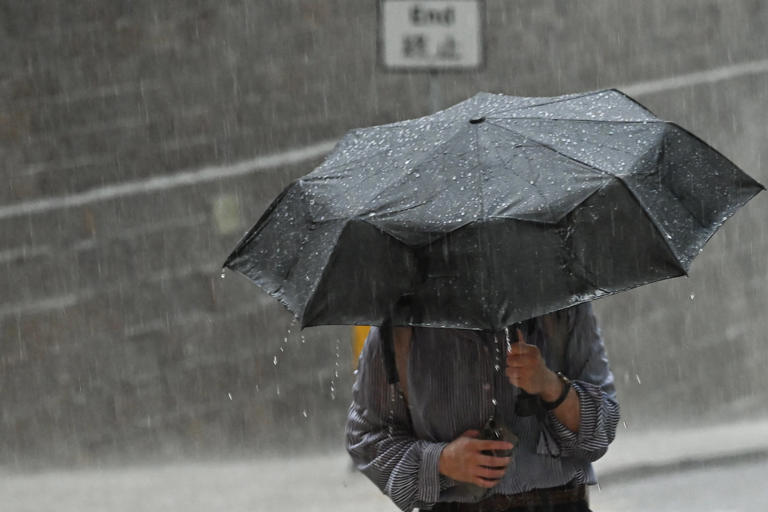
The South African Weather Service (SAWS) is urging residents and motorists to take its weather warnings seriously.
The organisation says these alerts play a crucial role in reducing the risk of injury, loss of life and property damage.
This comes as SAWS warns of possible large hail and heavy downpours, which have already left a trail of destruction across parts of Gauteng, particularly in Pretoria and Ekurhuleni.
The severe weather has caused significant structural damage and heavy traffic delays due to fallen trees and reduced visibility on the roads.
Forecaster Lehlohonolo Thobela says Sunday’s events are a clear reminder of how quickly conditions can deteriorate once thunderstorms intensify.
“Residents are encouraged to monitor updates from official sources, seek shelter when thunderstorms approach, move vehicles under cover where possible, avoid driving through flooded roads, and report fallen trees, flooding or damage to municipal authorities,” Thobela said.
He added that seasonal forecasts point to a possible increase in the frequency and intensity of extreme weather across the country.
#Pretoria #HailStorm hail storm in Annlin Pretoria last night really did me wrong pic.twitter.com/vr381HjEjj
— Don_Juan TZ (@Tsholanang_Z) December 1, 2025
Storm over large parts of Pretoria overnight…hail damage reported in several areas north of the city.
Photos FB pic.twitter.com/1stW3wY3QU
— Yusuf Abramjee (@Abramjee) December 1, 2025
The aftermath of Greenstone Hill hailstorm last night. pic.twitter.com/mTCOBiHDSk
— Tazz 𝕏 (@tazzman_dumi) December 1, 2025
That hail storm destroyed things 😩😩😩 pic.twitter.com/3sTittUT8G
— King Teezy (@Teezy_Promking) December 1, 2025
Meanwhile, the Department of Water and Sanitation says it remains on high alert and is closely monitoring inflows at the Vaal and Bloemhof Dams.
The department has urged residents along the lower Vaal River to stay vigilant and keep a close eye on rising water levels.
It says two additional sluice gates were opened at the Vaal Dam yesterday to reduce pressure, bringing the total number of open gates to six.
According to the department, water levels at the Vaal Dam dropped from 104.51% to 103.42% on Monday morning.
Water and Sanitation spokesperson, Wisane Mavasa, says the measures are intended to safely manage inflows and outflows while protecting critical water infrastructure.
She says water levels at the Bloemhof Dam have increased from 99.44% to 102.27% due to strong inflows from upstream.
Weather warning: Severe thunderstorms with a high likelihood of minor impacts of heavy rain, localised flooding, damaging winds & a possibility of Hail and excessive lightning.
Affected area: Limp., MP & Gauteng.
Validity period: 01 Dec 2025 #saws #weatheroutlook pic.twitter.com/QzjTihALhe— SA Weather Service (@SAWeatherServic) December 1, 2025
Similar posts


Current show
Upcoming shows
Latest posts
LATEST NEWS